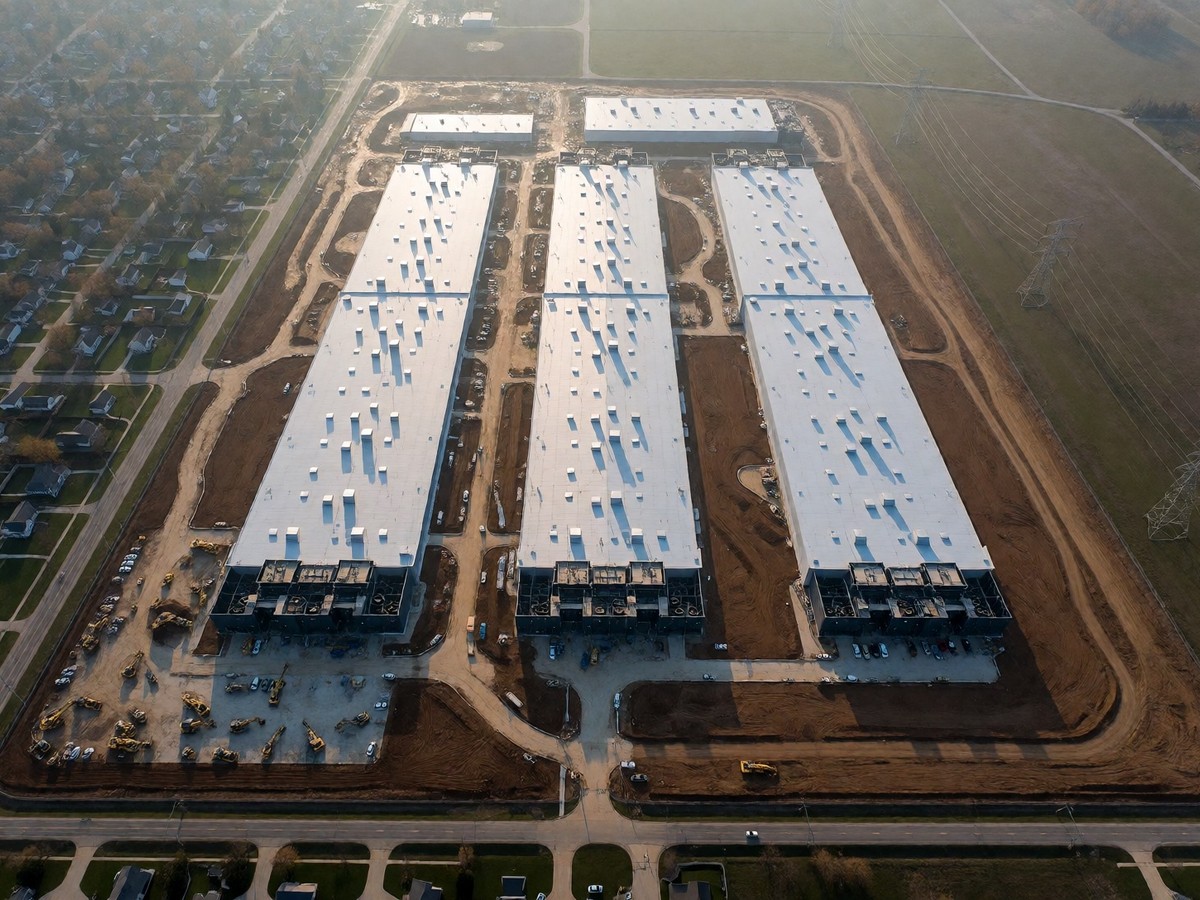
Voter pushback stalls the AI buildout
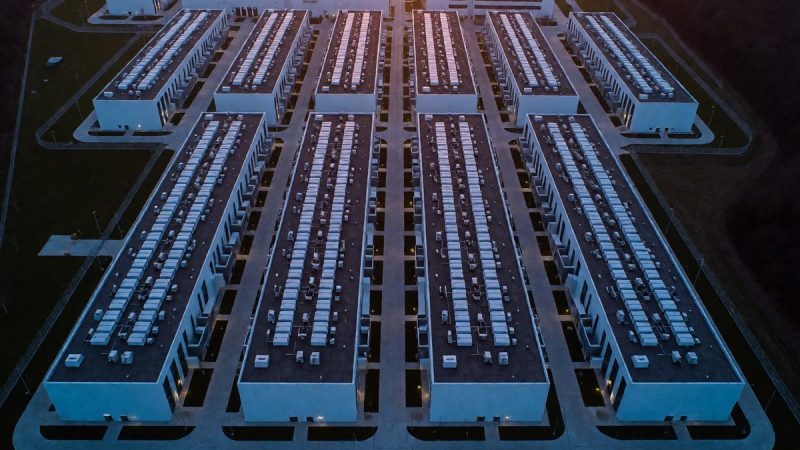
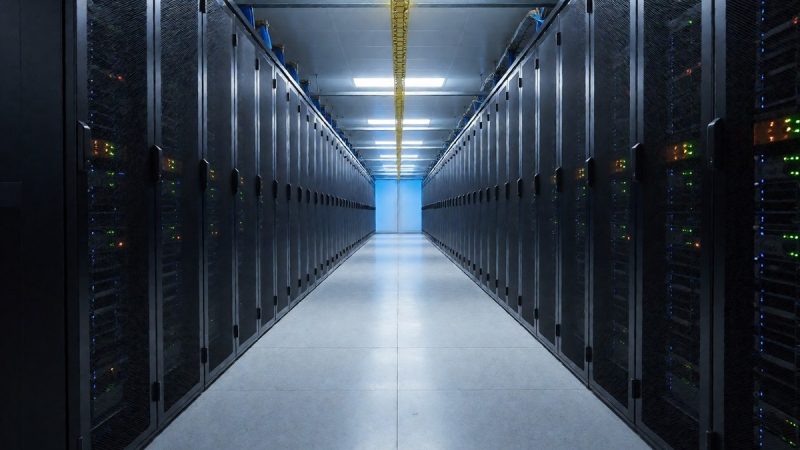
Redbud Consulting reports that 38 of 44 measures seeking to restrict data centers passed across 10 states in the recent elections. These measures include various moratoriums and bans. While these won’t impact projects approved through 2027, they target future projects planned for 2028. In one North Dakota city, a passed measure requires developers to pay for independent reviews and hold public hearings when proposing projects. In Texas, Democratic challenger Gina Hinojosa won the governor race. According to Bloomberg, Hinojosa’s election means developers face the worst-case scenario in Texas, a state expected to account for more than 41 percent of added data center capacity in 2028. Hinojosa plans to delay projects to pass laws addressing water, electricity, air, and property rights. This move exposes approximately 13 gigawatts of data center capacity to delays. Gordon Johnson of GLJ Research says Texas projects with power, permits, and steel keep going, but those with power but no state environmental permits may slip 12 to 18 months. Libby Cantrill of PIMCO expects more sand in the gears of the AI buildout as developers face more time to secure permits and more concessions. I find this disruption to the expansion plans to be a massive headache for the industry.
State-level shifts and economic risks
Democrats also won governor races in Arizona, Georgia, and Ohio. Axios projects that nearly two-thirds of 2028 data center capacity faces delays. Bloomberg estimates that half of the data centers in the US now face scrutiny. This vulnerability follows a period when IT consulting firm Gartner estimated the AI boom is nearly $5 trillion short of paying for itself.
| Entity | Capacity/Data Metric |
|---|---|
| Texas | 41% of 2028 added capacity |
| SpaceX | 13GW 2027 capacity goal |
| 1999-2026 total capacity |
Adam Kovacevich, CEO of Chamber of Progress, says the results offer little evidence of a voter mandate to crack down on AI. He says Democratic gubernatorial candidates who opposed data center bans won at a higher rate than those who supported them. He claims voters wanted change on the economy, not a crackdown on innovation. However, Alejandra Montoya-Boyer of The Leadership Conference says 3 in 4 voters oppose data centers. She says the 2026 midterms were the first true AI election and notes that voters turned up in record midterm numbers to vote for leaders willing to protect them from unchecked AI. She notes that more than half of voters said AI and data centers were a major factor in their vote for Congress. Brad Carson of Americans for Responsible Innovation says voters sent a clear message that they want rules for AI and data centers. He describes what happened as an "AI earthquake." I think the tech industry’s attempt to dismiss the results as an anti-Trump wave ignores the clear signals from voters.
Musk and the global implications
Elon Musk spent almost half a billion dollars on Republican candidates through October. He now faces a lawsuit regarding pollution from gas turbines at his Colossus data center in Memphis, Tennessee. SpaceX recently revised its 2027 capacity goal to 13 gigawatts. SemiAnalysis reports this capacity equals all of Google’s data center capacity from 1999 to 2026 in just 1.5 years. Gary Ng Cheuk-yan of Natixis says a slowdown in the US could benefit China. He suggests a Democrat-controlled Congress could introduce constraints on US computing capacity, which would keep US AI token prices high. This could allow China to export cost-effective inference services using abundant electricity. Michael Strobaek of Lombard Odier notes that Democrats will likely need substantial Republican support to pass laws over a potential Trump veto. Democrats could also threaten to block efforts to roll back EPA protections to aid data centers. Ali Mortell of Blue Rose Research says Americans would rather live near prisons or methadone clinics than an AI data center.