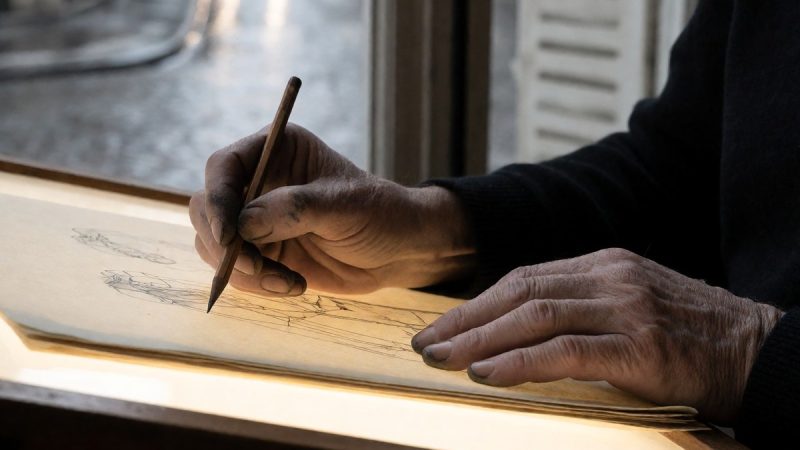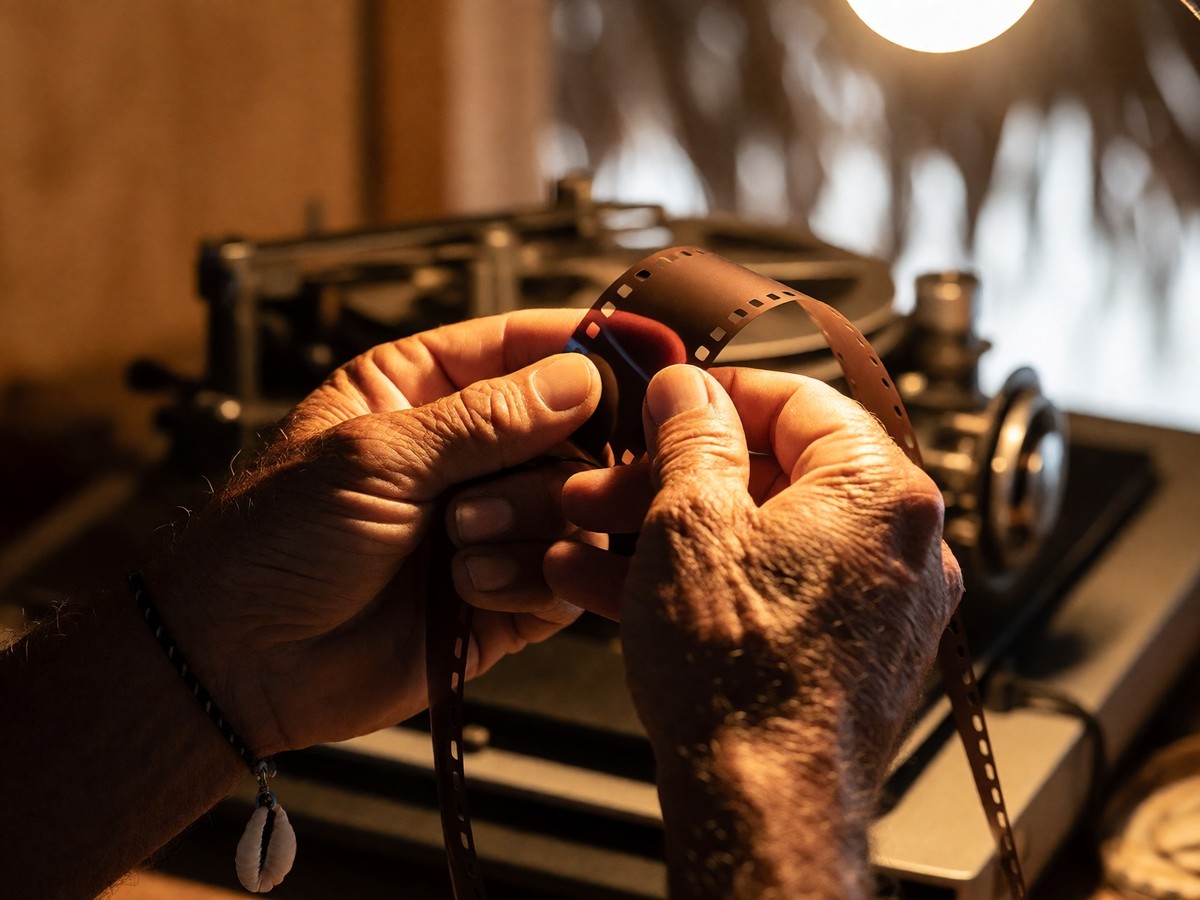
The $4.5 million historical drama "Mussau: The First Song" has wrapped principal photography after a 40-day shoot across two provinces. This production stands as the most expensive film in national history, with NAFA Productions celebrating the completion at a Thanksgiving event in Port Moresby on Saturday. Government figures including Belden Norman Namah, Minister for Arts, Culture and Tourism, attended the ceremony alongside Chief Secretary Ivan Pomaleu and Chief Censor Jim Abani. Indian director Bijukumar Damodaran, a three-time Indian National Film Award winner, helms the project, while Parul Agrawal produces and Noelene Taula Wunum serves as executive producer. The story is set in the 1930s and centers on Taula Livovoa, a young islander who rejects tribal violence to embrace a new faith, triggering sweeping social change that producers rank among the South Pacific’s most remarkable.
Production Logistics and Cast
Filming took place on Mussau Island in New Ireland Province and in Goroka, Eastern Highlands Province, presenting significant logistical hurdles due to limited infrastructure and patchy communications. A 120-person crew, which included 20 technicians from India, spent 30 hours at sea crossing the Pacific to reach the remote island, where temporary lodging and facilities were constructed to support the unit. Many cast members are local residents acting on screen for the first time, with several roles played by great-grandchildren of the real people whose lives inspired the narrative. The dialogue utilizes six languages, including Mussau, Emirau, Agarabi, Gadsup, Tok Pisin, and English, some of which are indigenous tongues at risk of dying out. Hilda Tanimia wrote the story, and Jennifer Litau, Joses Imona, and Damodaran handled the screenplay and translation.
Cultural Preservation and Future Goals
Damodaran described the experience as "one of the most challenging and rewarding journeys of my filmmaking career," noting that the people of Mussau welcomed the team into their lives and culture. The producers present the film as a method to protect the country’s linguistic and cultural heritage while bringing it to a global audience. Music Masters of PNG and the Murat Choir provided the music, while Yedhu Radhakrishnan served as cinematographer and Davis Palakal Manuel as editor. NAFA Productions aims to bow the film at a top-tier international festival in 2027 and hopes it will be Papua New Guinea’s official entry for best international feature at the 100th Academy Awards. This follows Damodaran’s earlier co-production "Papa Buka," which was the first film Papua New Guinea ever submitted to the Oscars’ international feature race.