New data on land subsidence
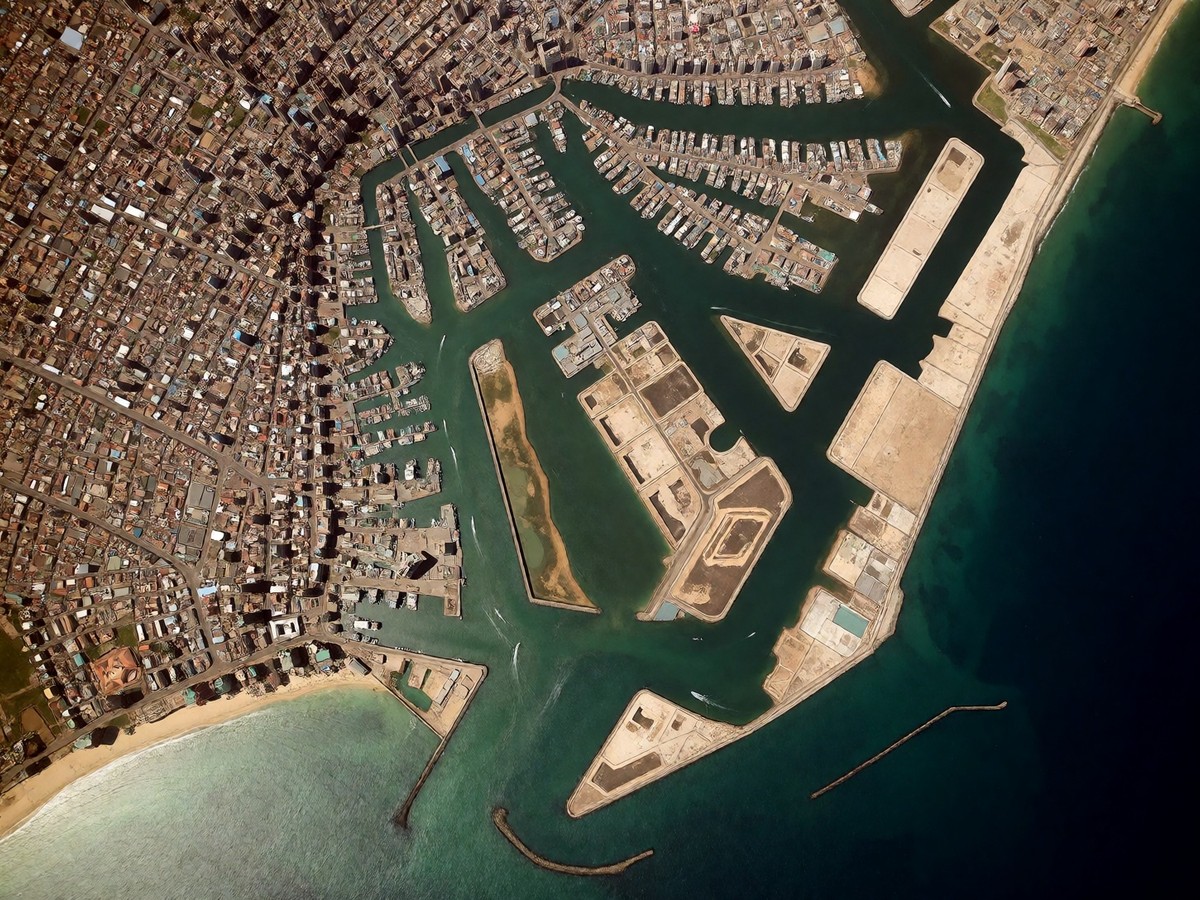
Virginia Tech researchers found that Alexandria in Egypt and Lagos in Nigeria are sinking faster than previous IPCC estimates. Alexandria sinks at an average of 6mm per year, while the city of Lagos sinks at 5mm per year. Because of these sinking rates, sea levels around Alexandria could rise 36% more by 2050 than the IPCC middle estimates for planet-warming emissions predicted. The Science Advances paper estimates that 7 million people, 1 billion buildings, and $180bn (£137bn) of assets could face flood risk by 2050 due to the combination of rising seas and sinking land. Researchers used European Space Agency Sentinel-1 radar imagery to map how much the land beneath 20 African coastal cities had moved. By using Sentinel-1 satellites that fly over the same region every six to 12 days, researchers detected land movements as small as 1mm per year by measuring the time it takes for a radar signal to bounce back from the ground. While Luanda in Angola also sank significantly, other cities such as Durban in South Africa remained stable or even rose slightly.
Local drivers and mitigation
I find the identification of local drivers useful because, as Manoochehr Shirzaei says, the local policies can combat them. Excessive water consumption in rapidly growing cities causes soil to compact, while the Aswan Dam in Egypt prevents sediment replacement in Alexandria. In Lagos, land reclamation for artificial islands and construction on loose ground also drive subsidence. I see a significant planning gap because Manoochehr Shirzaei says developing countries were "left out" of much of the planning for sea-level rises due to a lack of monitoring. To mitigate these effects, cities can supply alternative water sources or grow less water-intensive crops. Oluwaseyi Dasho notes that subsidence is "often invisible in everyday life" but increases flood exposure over decades as the ground becomes lower relative to the ocean. Planners may also need to build flood defences or move key infrastructure to a higher level to adapt better. These techniques could address knowledge gaps in other regions like the Pacific islands. Oluwaseyi Dasho hopes the paper helps African governments prepare adequately for future challenges and future generations.