The House of Commons Transport Committee told the government to ground plans for a third runway at Heathrow because the expansion is not currently compatible with legally-binding climate commitments. Ruth Cadbury, the Labour MP and Transport Committee Chair, said the government should go back to the drawing board. The committee reported that it seems impossible for the additional carbon dioxide emissions to be offset elsewhere in the economy. This warning follows advice from the Climate Change Committee in September that expanding the airport would make it harder to achieve future legally-binding climate goals. The committee also urged the government to publish a contingency plan if the expanded airport smashes through U.K. decarbonization goals. Cadbury demanded that ministers provide robust analysis to fill in the gaps in the Heathrow Expansion National Policy Statement.
Economic claims and carbon costs
The expansion project faces significant hurdles. While then-Chancellor Rachel Reeves supported the third runway in January last year by citing its potential to boost the British economy, updated government forecasts in June recalculated the projected 0.5% GDP increase to just 0.05%. The Transport Committee stated that ministers failed to make the case for expansion. Modeling from the Department for Transport showed only relatively modest levels of additional economic growth. Furthermore, Department for Transport data showed that a third runway could result in pollution equivalent to an additional 2.4 million tons of carbon dioxide being released into the atmosphere each year by 2050. The committee warned that expansion should not go ahead at any price, or at any cost to society or the environment.
| Metric | Current/Previous Figure | Expansion Projection |
|---|---|---|
| Annual Flight Cap | 480,000 | 720,000 |
| Projected GDP Growth | 0.5% | 0.05% |
| Estimated Job Creation | N/A | 100,000 |
| Total Project Cost | N/A | £33 billion |
Resistance from MPs and Heathrow response
Ruth Cadbury argued the draft Heathrow Expansion National Policy Statement did not adequately address noise, air pollution, and climate tests. She said that if a third runway is to get off the ground, the government must strengthen the air quality and noise tests, develop plans for improving public transport, and determine how much it will cost airlines and passengers. The committee also noted a lack of extensive plans for new rail lines into Heathrow from the west and south, alongside a lack of certainty over expansion costs that could affect the prices paid by airlines and passengers. Paul McGuinness, chair of the No 3rd Runway Coalition, said the expansion would leave the country worse off once the negative costs are taken into account. Lord Khan, the former MP for Tooting, also opposes the expansion, citing noise, air pollution, and climate change targets as his main concerns.
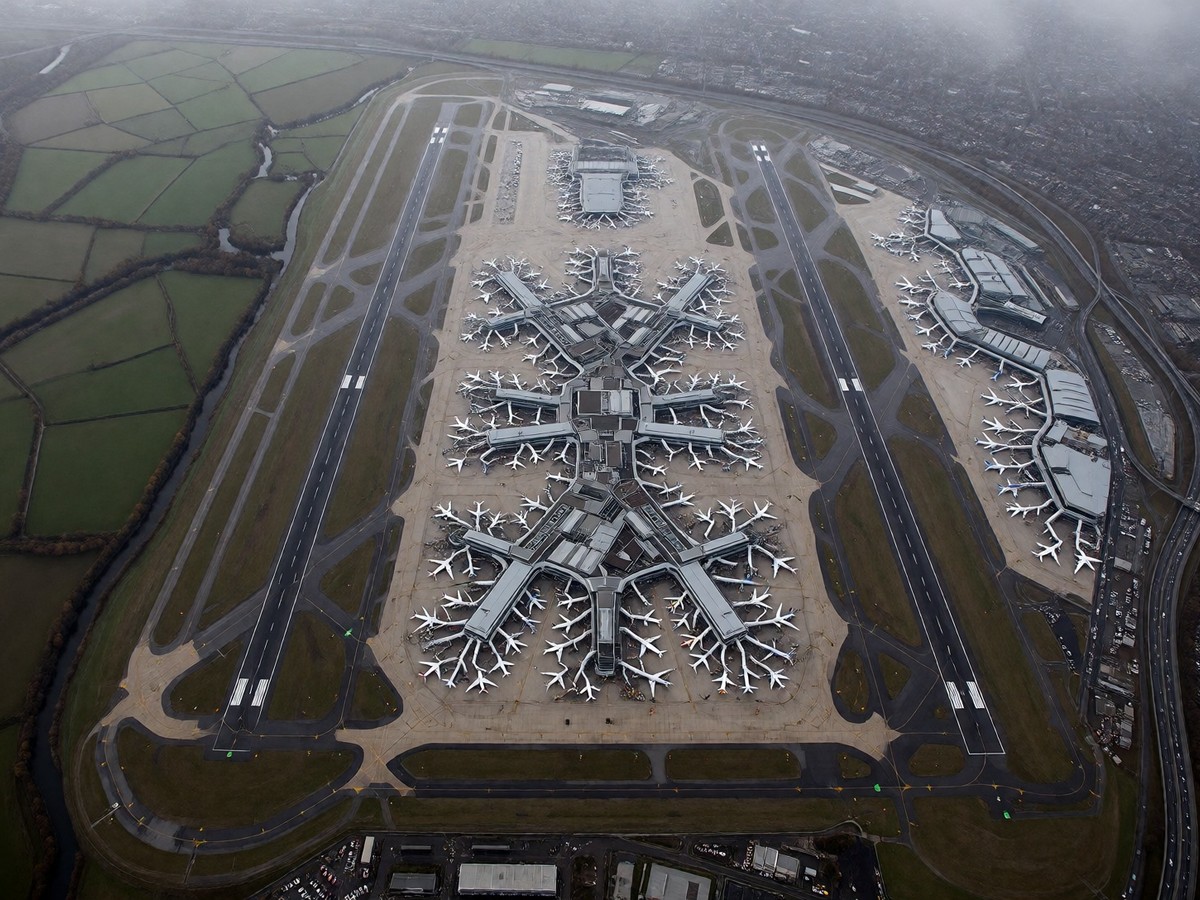
Thomas Woldbye, the Heathrow Chief Executive, said that successive governments and industry experts have repeatedly concluded that the UK must expand Heathrow to compete or accept a steady erosion of connectivity. Heathrow currently serves more than 80 million travellers a year with its four passenger terminals and two runways. The number of flights, currently capped at 480,000 a year, could go up to 720,000 if a third runway is built. If the third runway opens, the number of flights could increase to 720,000, which averages nearly 2,000 flights a day. This growth would require the demolition of homes, the diversion of rivers, and the rerouting of the M25 motorway through a tunnel between junctions 14 and 15. Industry estimates suggest the project will create 100,000 jobs. Heathrow scheduled the new runway to open by 2035, but the company suggested a date of 2039 because of planning and regulatory issues. The Department for Transport said Heathrow expansion could only go ahead if it meets four tests covering economic growth, climate change, noise, and air quality.