Nervous system integration
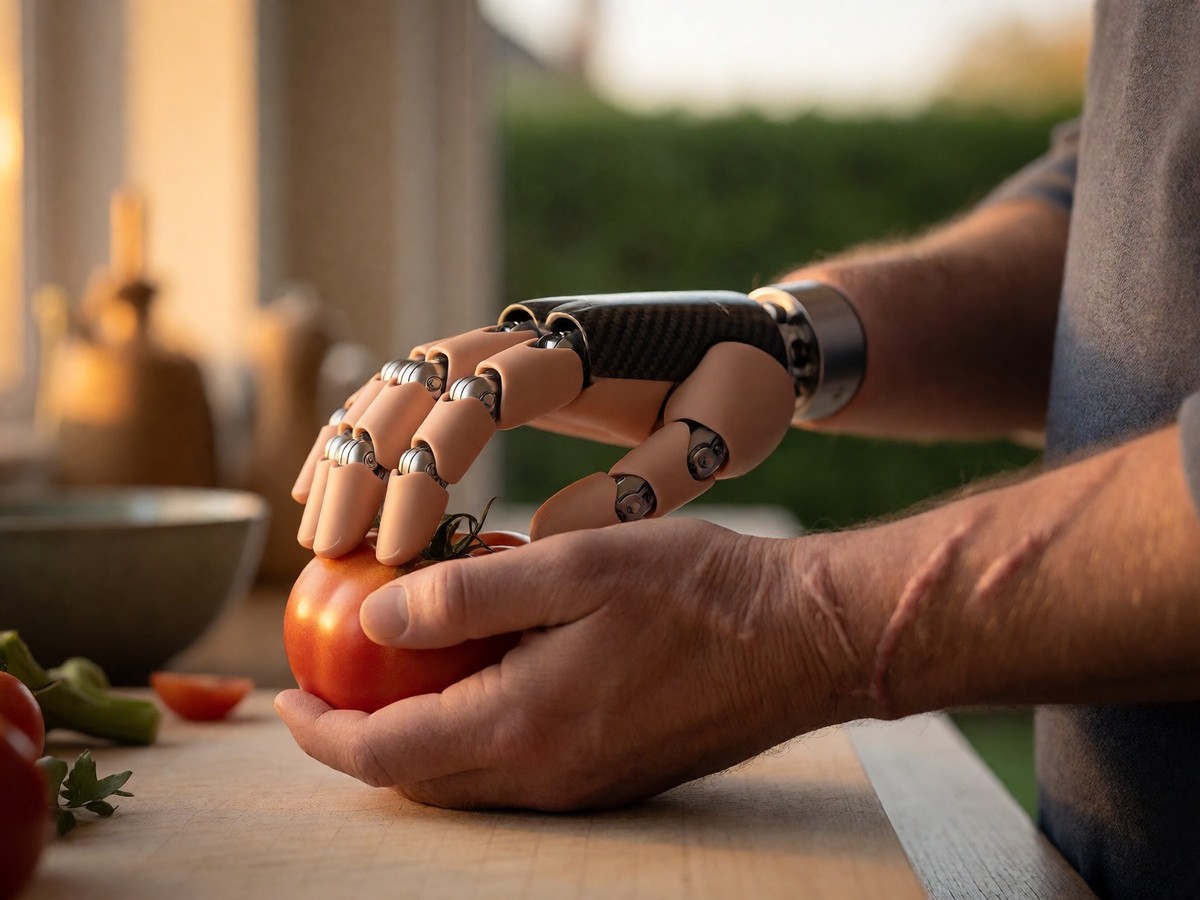
The LUKE arm, named after the Star Wars character Luke Skywalker, connects to a user’s nervous system to provide movement control and pressure feedback. This technology, which the FDA approved in 2014, allows amputees to receive sensory information through their residual limbs. Researchers at the University of Utah trial this system to determine its daily usefulness and how it affects a user’s brain or nervous system. Davidson, a 33-year-old trauma therapist, joined the research team after losing his dominant left hand to gangrene 10 days after a 2009 accident. He climbed 35 feet up a telephone pole to photograph a sunset, fell, and grabbed a wire that electrocuted him. This accident caused second- and third-degree burns over 37% of his body, broke his back in approximately 50 locations, and caused several other injuries including a severed spinal cord and a broken left wrist. Following the incident, Davidson spent about a month in a coma. After waking, he learned he was paralyzed and would never walk again. Because his hand developed gangrene 10 days after the fall, doctors had to amputate it.
Testing sensation and control
The University of Utah team has run trials of this nerve-connecting system since 2013. Jake George, director of the university’s neurorobotics lab, calls Davidson an ideal candidate for the study. Davidson met the team after a chance encounter with a scientist at a supermarket. Since his injury at age 16, he has used various prosthetics, starting with a basic hook 1.5 years after the accident. That first device gave him "a psychological feeling of returning to being whole." He later used advanced hands that allowed finger control through muscle movements. Because medical insurance covers replacements every five years, he has used many devices, though he also purchased a secondhand hand from eBay. The current trial focuses on a new way to connect the arm to a person’s nervous system. This connection allows users to control movements and receive feedback about how much pressure they are applying. Researchers want to know when the device is helpful and where it might fail. They also want to learn how the technology affects Davidson’s well-being.