Punishment for Parastoo Ahmadi
Iranian authorities in Qom flogged 29-year-old singer Parastoo Ahmadi and four male co-defendants with 74 lashes each on Monday. The punishment follows a June 2026 criminal court verdict finding Ahmadi and eight others guilty of "offending public decency" after they published what authorities described as "obscene and indecent material" during a December 2024 livestreamed concert. Ahmadi wore a sleeveless dress during that performance, which violated laws requiring women to wear headscarves and modest clothing. The four men flogged alongside Ahmadi are Soheil Faghih-Nasiri, Amin Taheri, Amirali Pirnia, and Mohsen Lashkari. This enforcement is a cruel, inhuman, and degrading punishment.
Ahmadi and the other defendants deny the accusations and say they committed no wrongdoing. Lawyers tried to reduce or suspend the sentence, but the enforcement branch insisted they carry out the punishment immediately. The enforcement branch refused to postpone proceedings after an appeal court in Qom rejected the defendants’ plea in late September. Bahar Ghandehari, the advocacy director for the Center for Human Rights in Iran, said the flogging is a serious violation of basic human rights and shows that authorities are ready to use force to punish women who challenge discriminatory laws. The crackdown aims to enforce strict interpretations of Sharia law regarding public appearance.
State crackdown on dissent
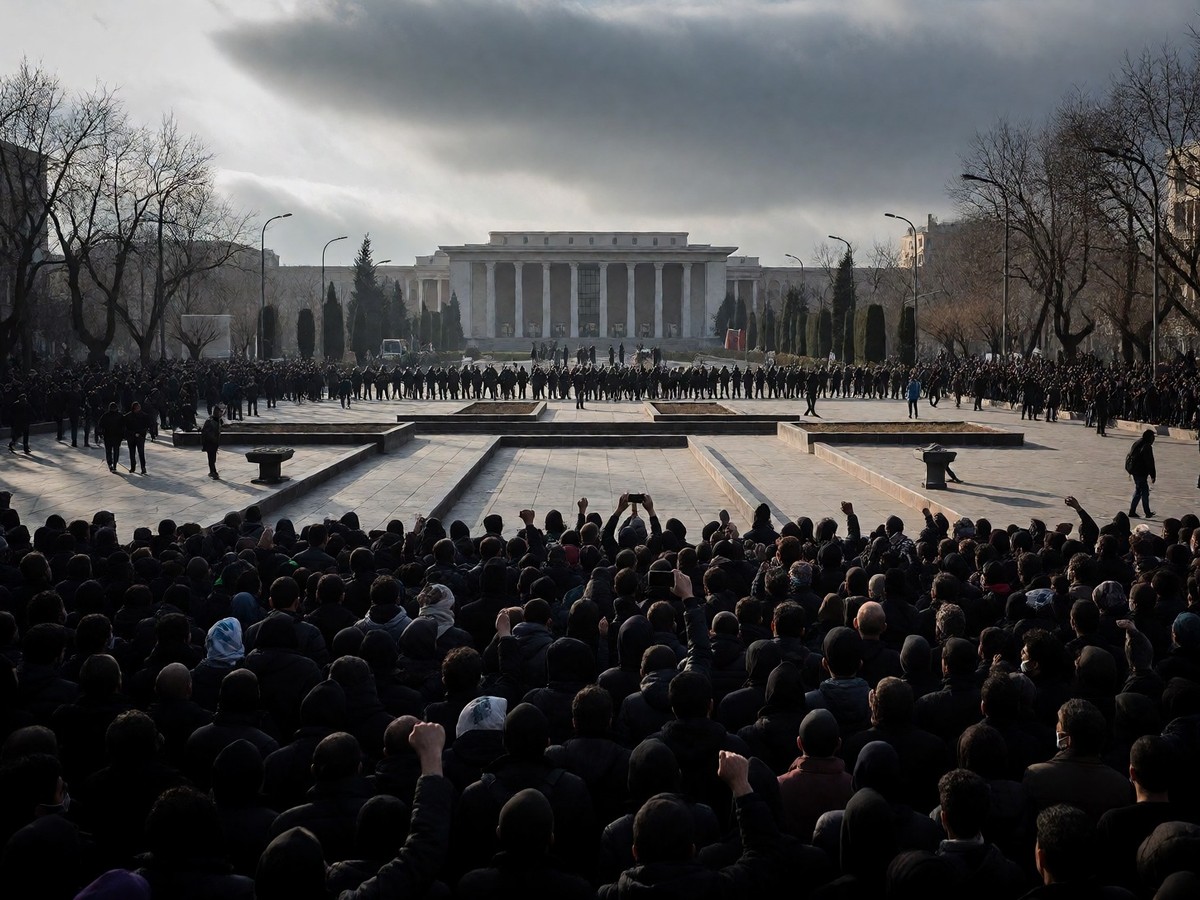
Human rights activists and Iranian artists condemned the sentences, stating that flogging is a cruel, inhuman, and degrading punishment. This incident follows a period of increased state violence, which included the execution of 16 people with alleged connections to banned opposition groups and the finding of 17 others guilty of espionage or collaborating with foreign states. Authorities have increased their use of the death penalty against protesters since the Iran war with the US and Israel began in late February. Security forces crushed a wave of mass anti-establishment protests in January 2026, which arrested tens of thousands of people. The group Iran Human Rights reports that courts convicted at least 39 men over the January protests, while the state has executed two people found guilty over the 2022 unrest. During the 2022 demonstrations, hundreds of people died during the crackdown by security forces. The group also reports that 121 protesters, including six women and five young people who never reached adulthood, have received death sentences and could face execution at any time.