Myanmar’s genocidal intent
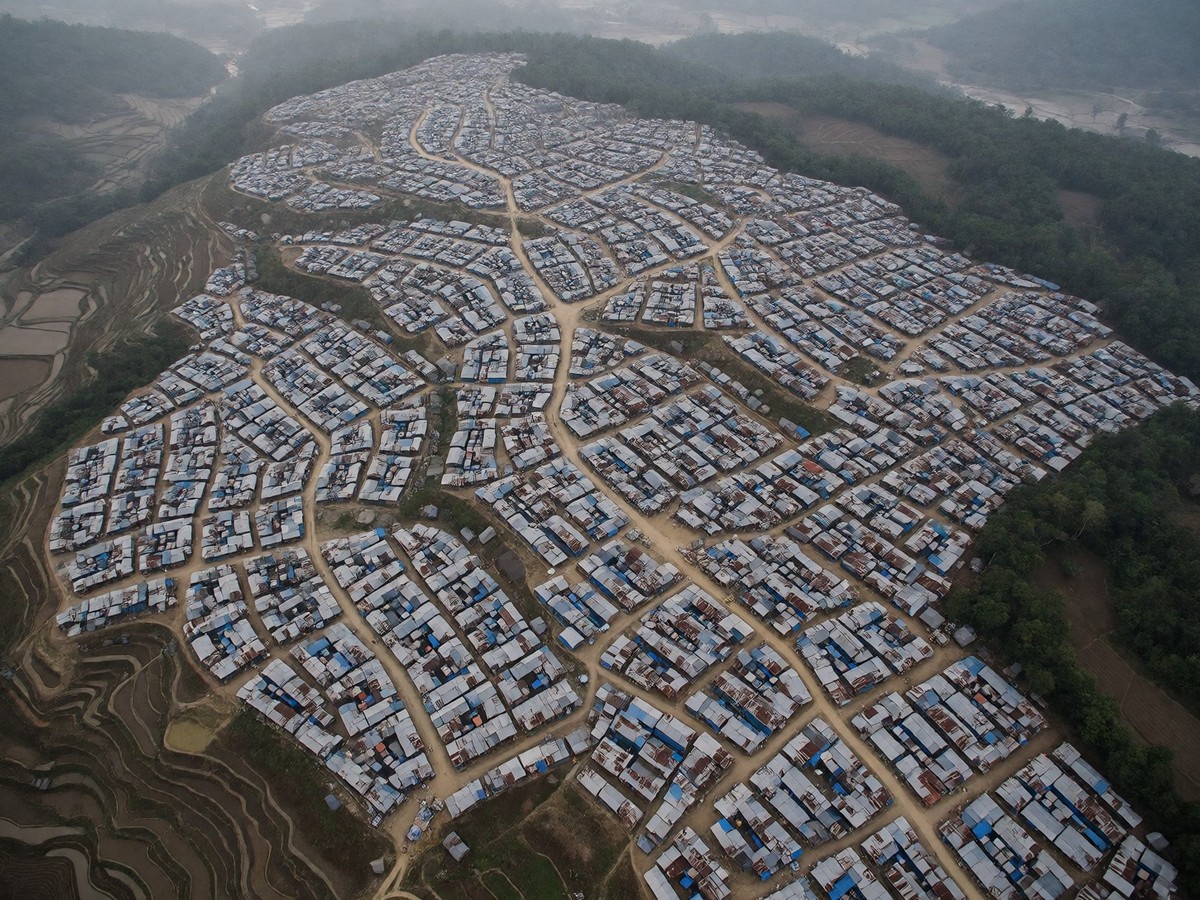
The International Court of Justice ruled last Thursday that Myanmar committed genocide against the Rohingya. This decision addresses the 2017 military clearance operations that killed at least 10,000 Rohingya and forced more than 700,000 people to flee to Bangladesh. The Myanmar military used murder, torture, rape, and arson to target the Muslim minority. Myanmar has 135 recognized ethnic groups but refuses to accept the Rohingya as the 136th, as the dominant Bamar ethnic group tends to be Buddhist and have lighter skin. A 1982 law denied most Rohingya citizenship despite their deep roots in the country. Even Aung San Suu Kyi, who won the Nobel peace prize in 1991, traveled to the Hague in 2019 to defend the military against the genocide charge. After the military overthrew Myanmar’s democracy in 2021, they detained her. The court’s 9 to 6 decision clarifies that "Genocidal intent may exist alongside other intentions, provided that such intentions are not incompatible with the existence of genocidal intent." I find the ruling more sensible than the 2007 and 2015 rulings regarding Serbia, which suggested genocidal intent could not coexist with other intentions. The Myanmar government claimed its goal was a counterinsurgency operation, but the court rejected this because the army killed children and attacked fleeing civilians in places where no insurgency existed. The court ordered Myanmar to take remedial steps including reparations, restoration of citizenship, prosecution of offenders, and the possibility of safe return for the Rohingya.
The new duty to prevent
The court also declared that "International responsibility for breach of the duty to prevent genocide is not conditioned on a finding that genocide has occurred." This departure from previous jurisprudence places a new onus on governments to react to mass atrocities even when it is uncertain whether a legal definition of genocide is met. Eirik Bjorge, a law professor at the University of Bristol, says the court previously held that a state could only be in breach if genocide was actually committed. He said this week’s judgment departs from that prior position. The ICJ states clearly that international responsibility for the breach of the duty to prevent genocide for a third state such as the UK is not conditioned on a previous finding by the ICJ that genocide has occurred. This new legal reality affects the UK and Germany, which face scrutiny over arms exports to Israel. Ed Miliband, the UK foreign secretary, said the UK has "never adjudicated before the court does" and he is due to make a Commons statement on Monday. Prof Tom Dannenbaum of Stanford University said the court’s previous reasoning regarding the gap between the duty to prevent and the requirements for a breach was weak. Daniela Huber, an associate professor at Roma Tre University, says the judgment "must send shock waves through Berlin" because the case regarding German arms exports to Israel no longer necessarily turns on whether Israel’s conduct in Gaza amounts to genocide.
Implications for the Gaza case
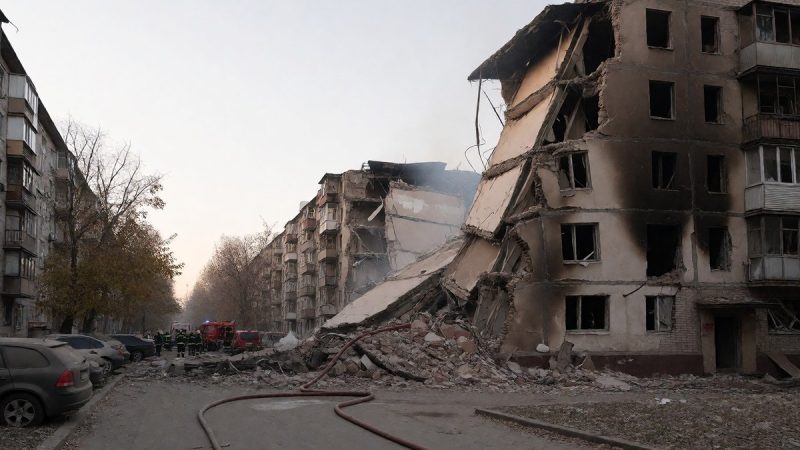
Judge Peter Tomka issued a dissenting note calling the ruling "puzzling if not bizarre" and warned it might lead to a proliferation of litigation. I agree with his concern that this may lead to a politicisation of the court, especially as the court has no power to enforce its ruling against the vetoes of China and Russia in the UN Security Council. This decision also impacts the case brought by South Africa against Israel. The Israeli military has bombed housing blocks, shot hungry people running for food, and created conditions of starvation in Gaza. The Israeli government sought to persuade the rest of the population to accept "voluntary emigration", rather than attempting to kill all 2 million Palestinians in Gaza. Under the new standard, the fact that Israel might also intend to forcibly displace Palestinians or fight an insurgency does not negate the possibility of a genocide finding. The Trump administration already threatened ICJ judges with sanctions last month if they "were to lower the legal threshold for proving genocide." The administration of Joe Biden already found Myanmar to have committed genocide against the Rohingya, and the Trump administration is currently "examining" the ICJ ruling. While the ICJ mainly resolves civil disputes between states, the ICC prosecutes individuals.