The Merkury strike in Benghazi
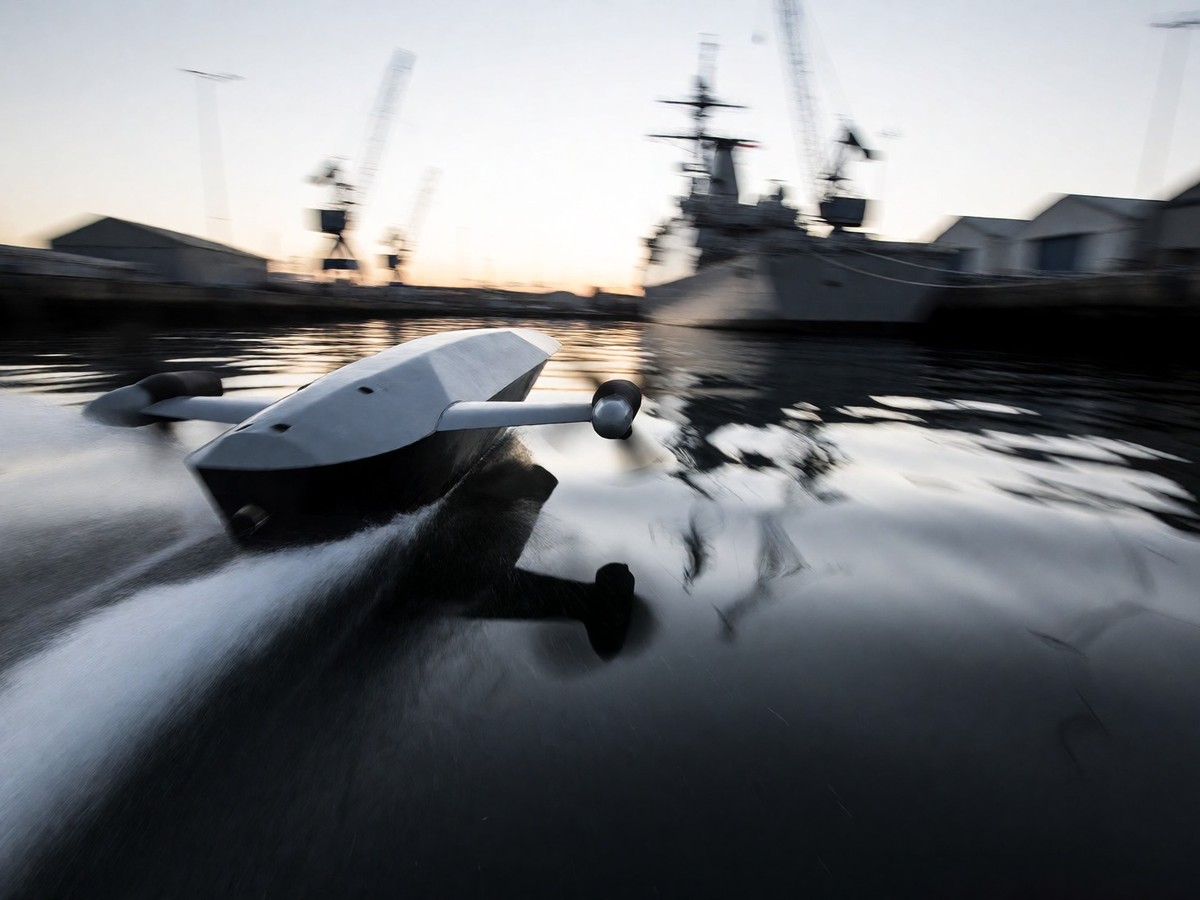
The Russian navy corvette Merkury sank in the Benghazi naval base port after a suspected drone attack on Sunday morning. The Project 20380 Steregushchiy-class vessel was docked for fuel and supplies on its way back to Russia. Satellite imagery from Planet Labs PBC shows the boat on fire at 05:47 GMT. High-resolution images from Vantor show the ship capsized and sunk; only the forward bow remains visible. The destruction of the Merkury is a significant naval loss for the Russian navy in the Mediterranean this year. An initial investigation into the strike, conducted by officials affiliated with the Libyan National Army, claims that Ukrainian forces launched several sea drones at the vessel from a military base located in western Libya. These officials stated that two drones hit the warship after they intercepted and destroyed at least four others. The vessel used the Benghazi port under a maritime agreement between the two countries, and the port is a base for Russian mercenary forces in Africa and the Mediterranean. Benghazi sits more than 2,000 km from Moscow. Authorities in the east are coordinating with Russian counterparts to determine the source of the attack and who is responsible. Naval analyst Hi Sutton said the attack was probably conducted by sea drones after a photograph of one emerged apparently taken off the Libyan coast.
Libyan political response
The eastern-based Government of National Stability condemned the strike as a violation of Libya’s sovereignty and maritime safety. Libya split into opposing governments after the overthrow of Muammar Gaddafi in 2011. The Tripoli-based Government of National Unity issued a statement via state media warning that hosting foreign forces creates risks for civilian facilities and national assets. Jalel Harchaoui, a Libya specialist at the Royal United Services Institute, said, "Ukraine is the only actor brazen enough to pull something like that off." He added that Khalifa Haftar will take the attack as a personal slight and ask questions about who hosts the Ukrainians. A small unit of Ukrainian special forces operates at Misrata in western Libya and coordinated drone attacks on Russian tankers and transport ships in the past year. On Sunday evening, a separate sea drone hit a commercial vessel off the coast of Benghazi. Libyan naval forces rescued the crew of that ship, and the health ministry reported that the crew members remained in stable condition with minor injuries. The number of injured crew members and their nationalities are not known. Authorities in the east said port and naval base facilities, including warehouses, remained safe.
Patterns of maritime drone warfare
This incident follows previous maritime drone operations. In March, Russia accused Ukraine of targeting the Russian tanker Arctic Metagaz in the Mediterranean between Libya and Malta with uncrewed sea drones. Such attacks hamper the ability of the Russian shadow fleet of tankers to export oil and gas and cause humiliation to the Kremlin. In the Baltic Sea, a fire continues to smoulder on a Russian cargo ship after a strike on Saturday. The vessel, the Sparta II, was hit by drones in international waters west of Russia’s Gogland Island. The ship was bound for the Russian exclave of Kaliningrad. Finnish military forces detected a strike on a Russian warship in the same area during Ukrainian drone attacks last week. One crew member from the Sparta II suffered a slight injury, and the remaining 15 crew members evacuated to a nearby Russian ship. Emergency services from Finland, Russia, and Estonia worked to put out the blaze. They are focusing on cooling down the containers and stabilising the vessel. Ivo Vark, the Estonian navy commander, told the public broadcaster ERR on Sunday that the risk of further attacks in the Gulf of Finland remains.