A looming suspension
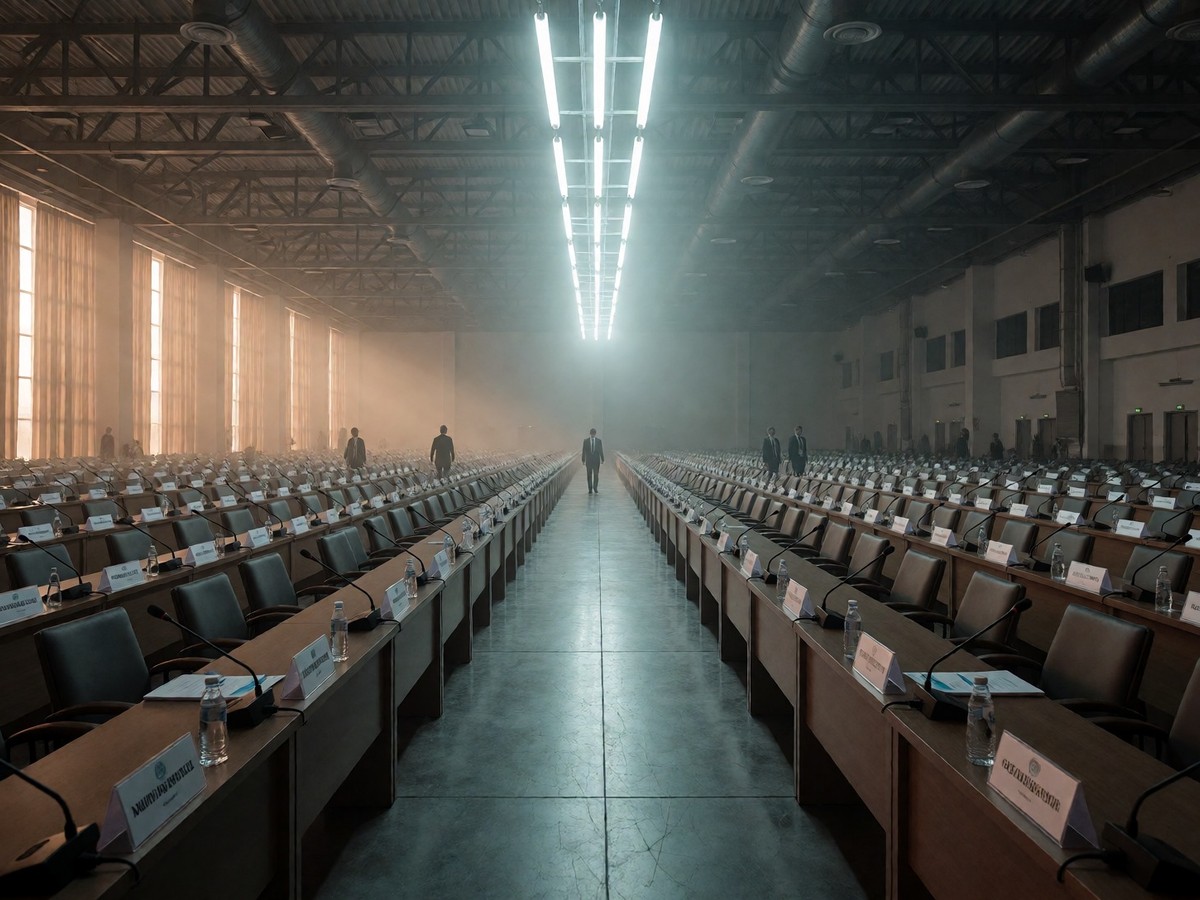
The meeting scheduled to reconvene at 09:00 local time (06:00 GMT) has faced further delays. Negotiating teams in Antalya are rescheduling Sunday morning flights, which I see as a clear sign that a deal remains out of reach. If these countries fail to reach consensus, they may suspend negotiations until next year, a situation that has only occurred once since countries started holding their COP climate meetings in 1995. These talks now approach the longest-running sessions in the history of COP. I find the prospect of another year of waiting for a consensus that cannot be met quite frustrating. As teams prepare to leave, the summit faces the risk of losing the numbers needed to pass an agreement.
Stripped text and funding gaps
A draft deal unveiled earlier this week called for a faster phase-out of fossil fuels, but a second, pared-down version released on Thursday stripped away all mentions of coal, oil and gas. This change sparked threats of a walk out and caused the summit in Antalya to miss its original Friday deadline. The Africa Group will likely face disappointment because this latest iteration includes no specific figure on money for adaptation and instead kicks that decision to future meetings. EU Commissioner for Climate Wopke Hoekstra stated that if the bloc cannot get "what is needed in terms of climate action… then there’s no deal." In contrast, UK Energy Secretary Miatta Fahnbulleh expressed a more hopeful tone, noting that her team continues to work to get an agreement.
I find the omission of fossil fuel language in the Thursday release to be a massive step backward. The decision to remove these specific terms creates a gap between the requirements of the EU and the expectations of the Africa Group. As negotiating teams reschedule Sunday morning flights, the possibility of the meeting losing the numbers needed to pass an agreement grows. This summit has already blown past its original Friday deadline, and I see the lack of a concrete figure for adaptation money as a failure for the Africa Group. If consensus remains elusive, the negotiations could face suspension until next year, a situation that has only occurred once since the process began in 1995. The negotiating teams are working through a text that lacks the specific financial commitments the Africa Group expects for adaptation.