Settlement terms and judicial ruling
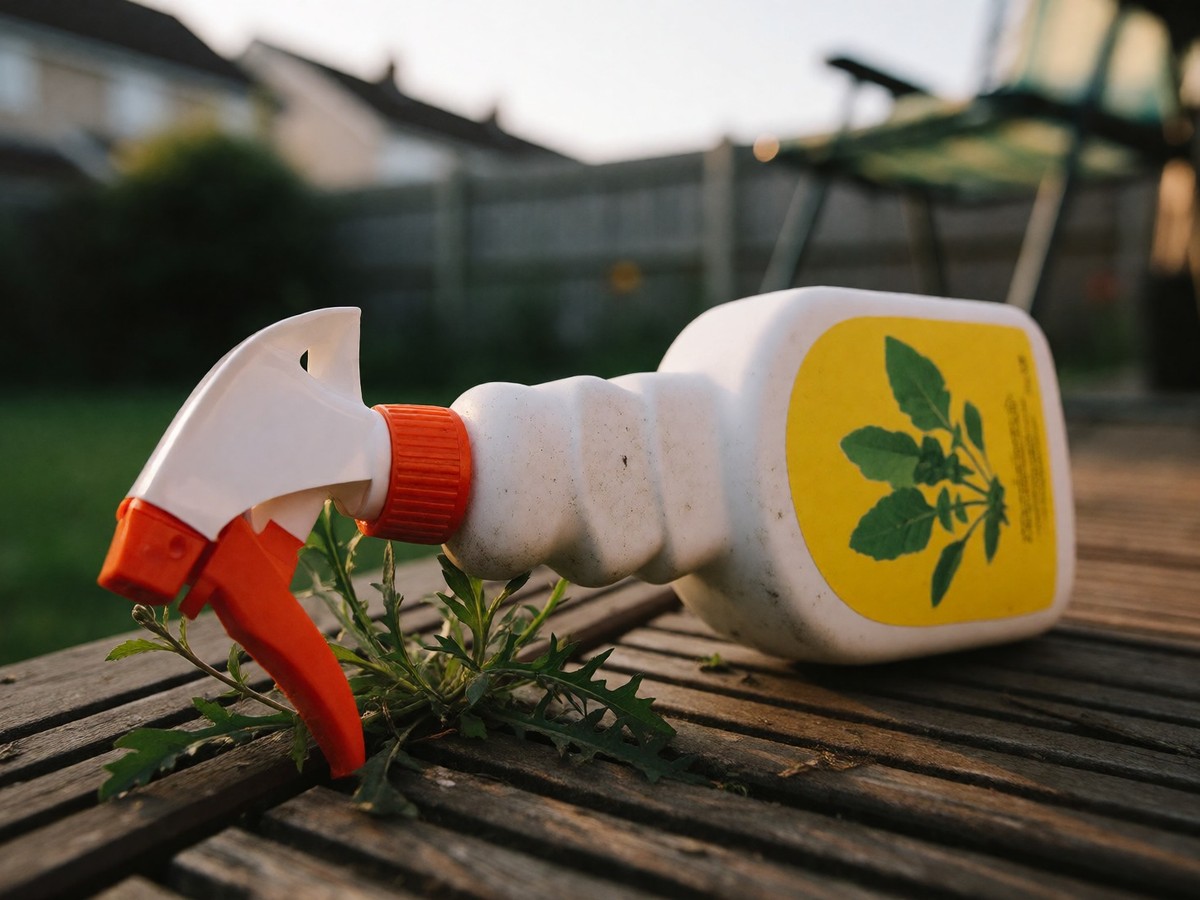
Judge Timothy Boyer of a St. Louis state court approved a $7.25bn settlement on Friday to resolve lawsuits alleging that Bayer’s weedkiller Roundup causes cancer. He called the deal "fair, reasonable, and adequate" despite objections from several attorneys. These lawyers argued the funds were insufficient, but the judge overruled them because he did not want to delay payouts to victims, including those with terminal cancer. He noted that delaying such payouts could force victims to wait "an indeterminate number of years" for relief. Bayer will make annual payments into a fund for up to 21 years to compensate Roundup users who are currently sick with non-Hodgkin lymphoma or fall ill in the future. Individual settlements will range from $10,000 to $165,000. The amount for each claimant depends on how frequently they used the product, when they were diagnosed, and the severity of their illness. The settlement announced in February aimed to resolve nearly all current and future Roundup claims in the US. I find the judge’s refusal to delay payments for terminal victims to be the only sensible part of this ruling.
| Settlement Detail | Value |
|---|---|
| Total fund amount | Up to $7.25bn |
| Individual payout range | $10,000 to $165,000 |
| Payment period | Up to 21 years |
| Previous litigation payments | Roughly $10bn |
| Monsanto purchase cost | $63bn |
Legal history and company impact
Bayer has faced approximately 65,000 claims in US state and federal courts from people who say they developed cancer after using Roundup at home or on the job. The settlement comes five months after the US Supreme Court ruled 7-2 in favor of Bayer, overturning a $1.25m jury award for a Missouri man named John Durnell who said Roundup and its ingredient glyphosate was to blame for his non-Hodgkin lymphoma. The court ruled that federal regulations do not mandate a cancer warning label, which prevents these state court lawsuits. Bayer CEO Bill Anderson said the court’s approval is a "decisive milestone" in the company’s strategy to mitigate litigation risks, but the company still faces about 200 cases that remain pending in federal court.
Bayer, the German bio-tech giant, denies that Roundup causes cancer. The company’s share price fell 46% since it bought Monsanto in 2018 for $63bn. In 2015, the International Agency for Research on Cancer identified glyphosate as a probable human carcinogen, though Bayer and the US Environmental Protection Agency dispute that finding. The company previously paid roughly $10bn to resolve litigation and was unable to win court approval for a $1.25bn settlement to resolve future claims. Attorney Christopher Seeger said the Durnell decision narrowed the ability of victims to pursue claims in court. He said he looks forward to getting relief into the hands of all Roundup victims as quickly as possible.