The strike and strategic impact
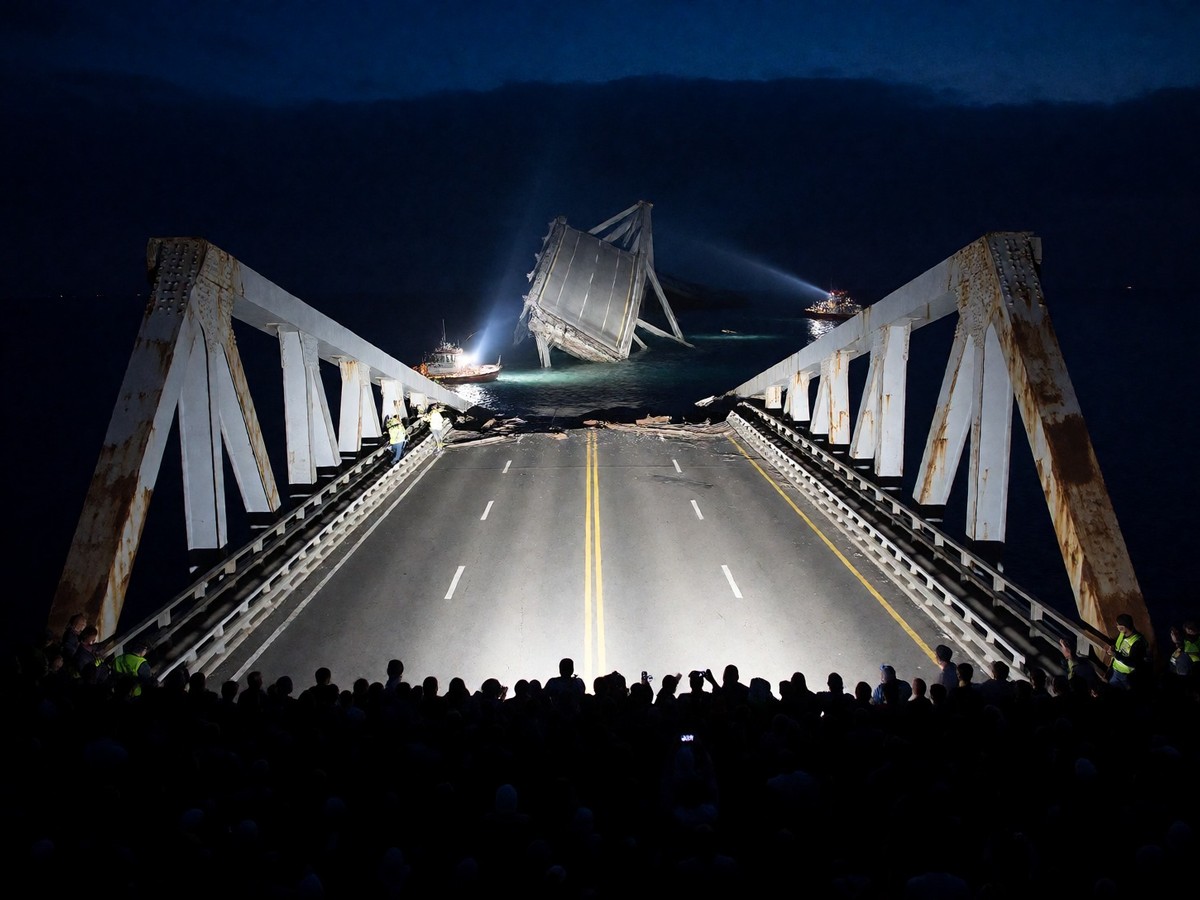
The collapse of a roadway span and the loss of a supporting arch on the Kerch road bridge happened overnight. This strike leaves the $3.6 billion, 19-kilometer bridge partially unusable, though one rail line remains in operation. I see this as a direct blow to Russian logistics because the damage to the arch appears at a level that Ben Hodges, a former US army general in Europe, says cannot be repaired any time soon. This project, completed in 2018, connects Russia to eastern Crimea and links to Vladimir Putin’s efforts to secure the 2014 annexation. Dmitry Peskov, a Kremlin spokesperson, noted that Putin initiated the project himself. While Russia bombed Ukrainian bridges in Kyiv and Dnipro in early October, this strike uses Ukrainian-made technology to hit a target Russia once claimed was the most heavily protected structure on the planet. The timing is also political, as the strike comes two days before Vladimir Putin meets Donald Trump and Xi Jinping in Shenzhen. Moscow has entered what is becoming a battle of the bridges, as they continue to target Ukrainian infrastructure while Ukraine hits back at the Kerch link.
The weapons and the seventh stage
The Ukrainian military used a combination of Palianytsia drones, Neptune missiles, Ruta cruise missiles from the Dutch manufacturer Destinus, and FP-5 Flamingo heavy missiles to systematically strike the roadway and railway sections over two consecutive days of attacks. President Volodymyr Zelenskyy said the operation included the use of Dovbush, Vendetta, Da Vinci, Sichen, Mich-2000, Ruta, Palianytsia, An-197, FP-1, FP-5 Flamingo, and R-360 Neptune. The final stage involved Palianytsia drones striking the road section, while Neptune missiles, Ruta cruise missiles, and FP-5 Flamingo heavy missiles hit the railway section. These weapons targeted the infrastructure after Ukrainian forces neutralized air defense systems and electronic warfare equipment. The destruction of the roadway span follows previous, less effective attempts to destroy the bridge with a truck bomb in 2022 and a sea drone attack in 2023. I view this sudden success as a political move by Kyiv because the military-industrial complex was ready for months, according to Russia expert Emily Ferris. The Dutch-Ukrainian startup Destinus Group confirmed its Ruta missiles hit the bridge, causing one span to collapse. Russian pro-war bloggers, including the Rybar and Dva Mayora channels, noted that more than 10 Flamingo cruise missiles hit the target alongside a large number of drones. These bloggers suggest the bridge could be crushed by sheer numbers due to Russia’s air defense problems.
Logistical consequences and Russian denial
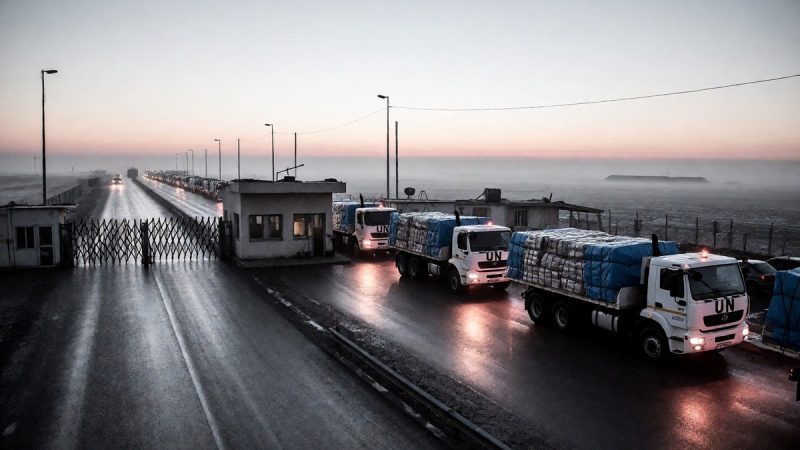
Russian-installed Sevastopol Governor Mikhail Razvozhaev claims that supplies of food, fuel, and diesel continue without interruption. He stated the bridge primarily serves private cars and buses and that the incident did not affect the delivery of goods to the city. I find this dismissal of the damage hard to believe, especially since Andrii Klymenko, head of the Black Sea and Baltic Strategic Research Monitoring Group, says the destruction affects logistics and the morale of Russian military personnel, intelligence officers, and officials. Cutting the bridge entirely would force Moscow to rely on the R-280 land highway from Rostov to Crimea, which has faced months of Ukrainian drone attacks. Disabling the bridge could make it more difficult for Russian forces to attack Odesa, Kherson and other regions along the Black Sea, according to Ukrainian navy spokesperson Dmytro Pletenchuk. A destroyed railway section could intensify the destabilization of the southern grouping of forces, according to a pro-war military blogger. This comes as Russia struggles to make progress on the frontline, where Nato secretary general Mark Rutte reported a record 50,000 troops were killed or wounded in October.