European Commission executive vice president Henna Virkkunen stated Tuesday in Lisbon that the bloc should work "only with very trusted partners" on artificial intelligence microchips. She made these remarks at the Web Summit tech fair, days after revelations of a spy scandal rocked industry leader Nvidia. The comments mark her first public response since the company opened an internal investigation into whether its CEO was targeted by a Chinese intelligence operation. Top executive Jensen Huang admitted to an affair following a reported relationship with an executive at Singapore-based data center company Megaspeed whom the U.S. government believes is a Chinese spy.
Trust and dependency
Virkkunen described the United States as the EU’s traditionally "closest partner when it comes to security and technology," suggesting the bloc has no intention of blaming Washington but would prefer to collaborate to plug the security gap. She emphasized that in "limited areas of technologies," it is important to ensure that "we don’t have that kind of technological leakages." The EU tech chief added, "We want to really keep the business secrets in Europe." Her stance clearly prioritizes protecting sensitive data while maintaining strong transatlantic ties for critical infrastructure. However, she did not detail whether she considers Nvidia less trustworthy since the news broke, leaving the specific risk assessment ambiguous for investors and policymakers alike.
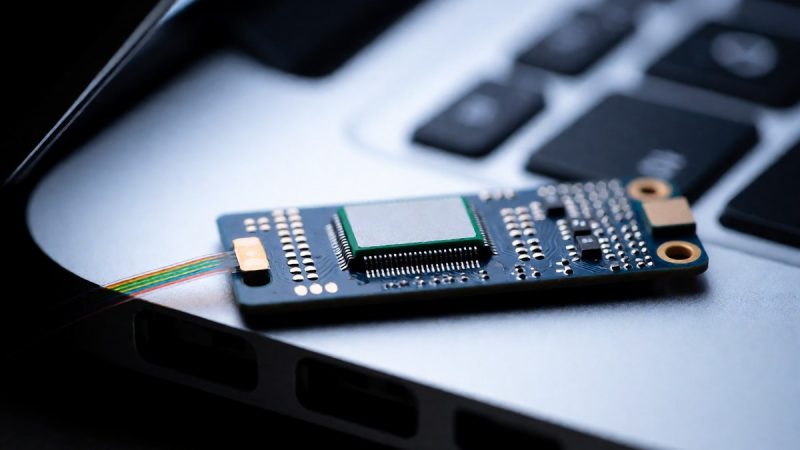
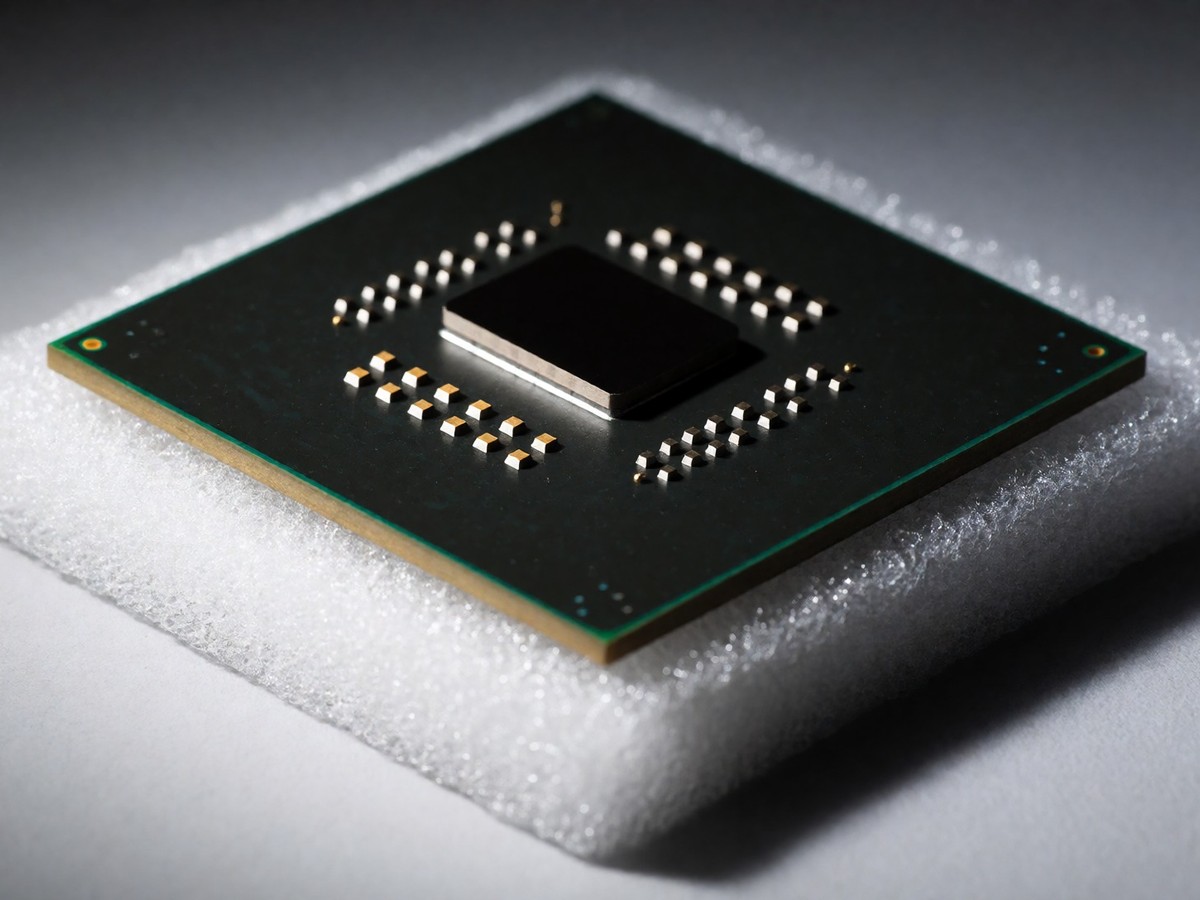
Europe remains heavily reliant on Nvidia chips because it has little production or design capacity for AI chips of its own. This structural weakness forces the continent to depend on a few American companies for advanced hardware. To correct this imbalance, the EU aims to build up its own capacity to design and manufacture more advanced chips through an industrial policy push called the European Chips Act. Virkkunen acknowledged that currently, Europe is very dependent on AI chips from a few American companies, which makes building domestic manufacturing essential for future sovereignty. The commission plans to use the coming years to establish independent supply chains, reducing exposure to foreign intelligence threats. Nvidia did not immediately respond to a request for comment regarding the ongoing investigation or the potential impact on European operations.