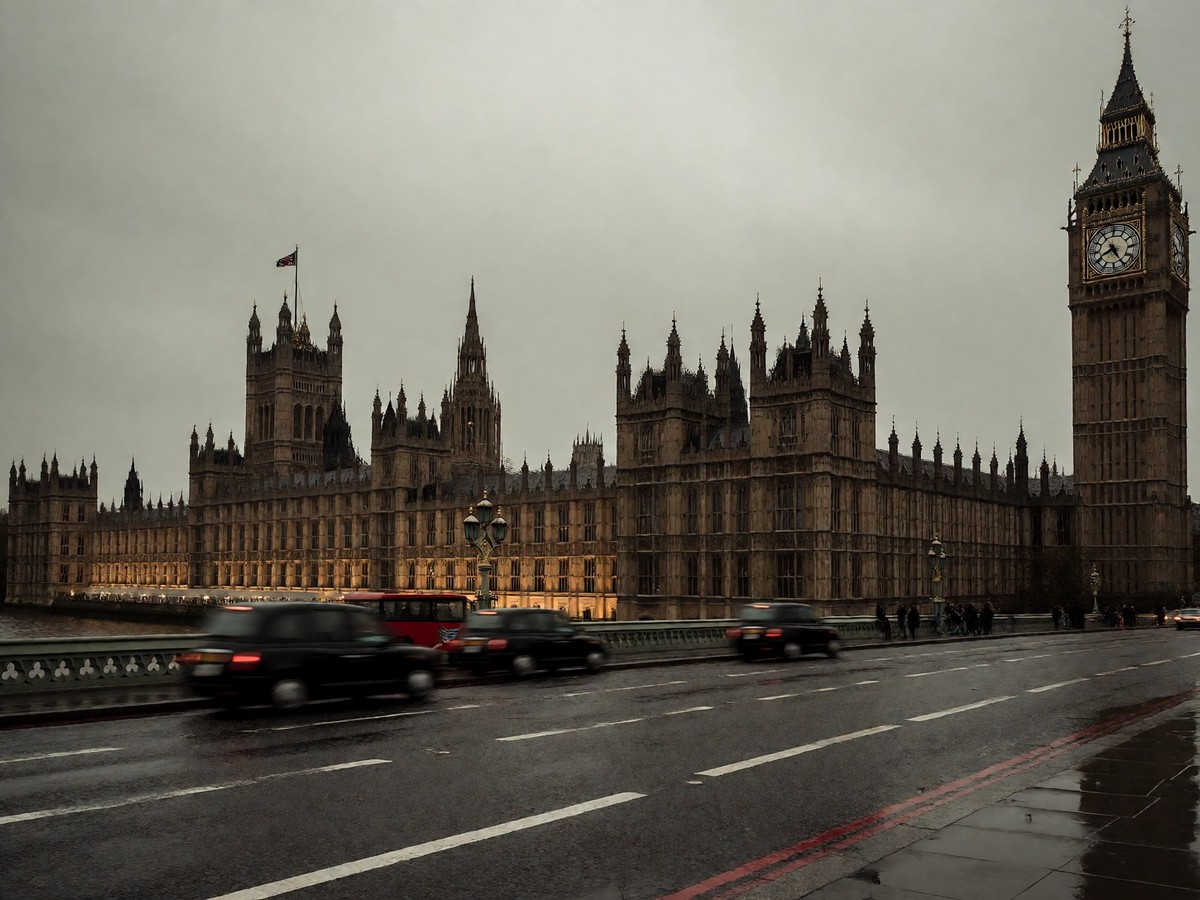
May reacts to the Brussels summit
Theresa May expressed she is aghast at Andy Burnham’s suggestion that the UK could rejoin the European Union. May told the BBC during an interview with Laura Kuenssberg that the prime minister should accept Brexit and move on. May, who spent three years negotiating an EU exit deal, told the BBC that she is aghast at Andy Burnham’s consideration of rejoining the EU because she believes the prime minister should accept Brexit and move on. She argued that Burnham wants to pat the British people on the head by suggesting the previous vote was wrong. May said Burnham wants to tell people they got the vote wrong and should have another go to find what he thinks is the right answer. I find her refusal to engage with his brainstorming sessions a blunt rejection of his attempts to explore future ties.
May, who served as prime minister between 2016 and 2019, presided over three years of tortuous negotiations. She explained that the negotiations require massive amounts of time from the prime minister and the cabinet. She said the intense work required to negotiate hard to ensure the government gets what it wants is why she looks slightly aghast at the prospect of further negotiations to join the EU. May previously argued that her exit deal, which included a vote on a temporary customs union, a vote on a second referendum, and promises concerning both workers’ rights and environmental protection, would have benefited the UK if MPs had supported it. Instead, she said hardline Brexit supporters and those who wanted to remain in the EU thwarted her plan, which led to her being replaced by Boris Johnson in 2019. In 2023, she told the BBC that the UK would have been better off if MPs had backed her deal to leave.
The summit deals and constraints
The summit in Brussels this week produced deals regarding food, drink, emissions trading, and a youth mobility scheme. Burnham secured these deals and stated he would brainstorm future ties with the EU over a period of months. He emphasized that he will not get ahead of public opinion or move before another election takes place. Burnham remains tied to the Brexit red lines of the 2024 Labour manifesto, which rules out joining the EU’s single market or customs union. He criticized the May-Johnson departure deal because it gummed up trade and hampered growth, though he suggested the new deal could add 0.5% to GDP in the long term. The youth mobility scheme allows 100,000 young Britons to live, work, study, and travel in the EU.
| Youth Mobility Scheme | Details |
|---|---|
| Total participants | 100,000 young Britons |
| Access rights | Reciprocal access for Europeans in the UK |
Burnham’s claim that the new deal could add 0.5% to GDP in the long term contrasts with the reaction from the Conservatives. They briefed newspapers on Sunday that signing up to the emissions trading system adds costs to domestic energy bills because of EU carbon taxes. I find the Conservative focus on energy costs a predictable response to the new agreement. Downing Street argues the deal will bring down energy and food costs, while Burnham said on Friday it could add as much as 0.5% to GDP in the long term.
Tony Blair weighs in
Sir Tony Blair, a prominent opponent of leaving the EU, told The Sunday Times that Britain should only rejoin the EU if it reforms to allow more innovation on technology. He said Europe could and probably are moving in the wrong direction. He stated that Brexit was a real mistake, but noted the debate now differs from the 2016 referendum.