The Antalya deadlock
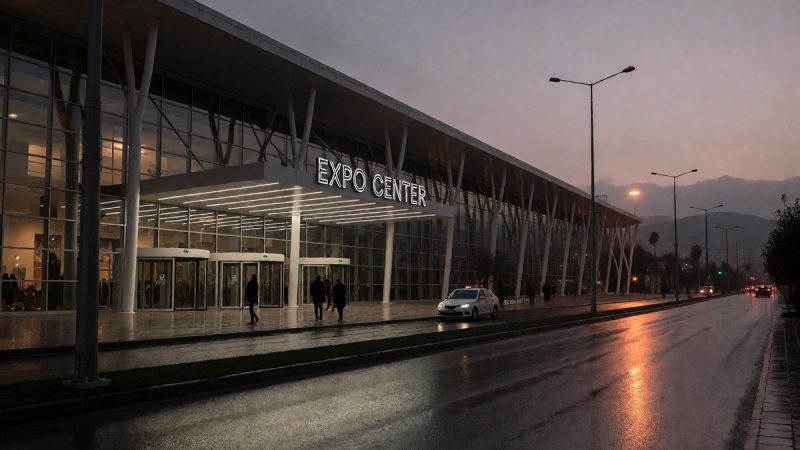
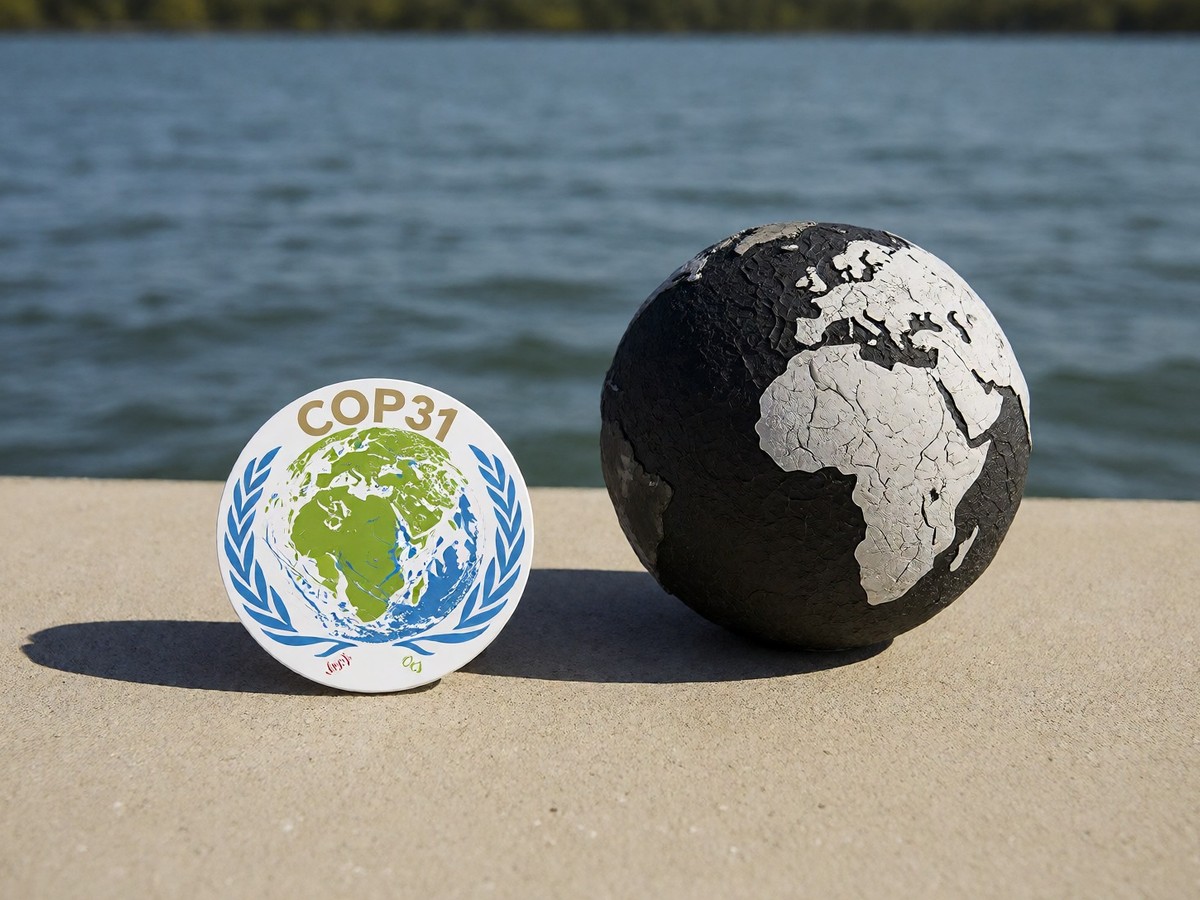
The COP31 summit in Antalya, Turkey, ended on Sunday without consensus on the proposed Antalya Pact. Negotiators failed to include explicit language regarding a transition away from fossil fuels, so approximately 130 governments rejected the text. Chris Bowen, the Australian minister leading negotiations, described the atmosphere as "the most complicated and fraught geopolitical environment in living memory." He and Murat Kurum, Turkey’s environment minister, proposed the text, but the EU refused to endorse it. O’Brien, representing the EU during Ireland’s rotating presidency, said the bloc would not accept a COP that greenwashes fossil fuels. Liliam Beatris Chagas de Moura, the director for climate at Brazil’s Ministry of Foreign Affairs, said the conference did not sustain the momentum from the 2025 talks in her country.
Egypt and Brazil also criticized the text proposed by Kurum and Bowen. UN Secretary-General Antonio Guterres said he was "deeply disappointed" that the talks ended without an overarching agreement. He stated that fossil fuels drive the climate crisis and that countries cannot put out the fire while pouring fuel on it.
Divided national interests
Mohammad Ayoub, a climate negotiator for the Saudi Arabian energy ministry, said the 22-member League of Arab States supported the proposed Antalya Pact. He criticized developed countries for using most of the global carbon budget and then asking developing nations to give up the energy sources that fueled their own growth. Ayoub argued that Arab nations contributed less than 2% of historical greenhouse gas emissions. He called the resistance to including carbon dioxide removal and carbon capture and storage in the pact unscientific, noting that these technologies are not being deployed fast enough to keep 1.5 degrees within reach. He said that countries must select from solutions depending on their national circumstances. He added that climate change requires all solutions on the table.
Russia’s delegate Sergei Kononuchenko warned that cutting oil and gas supplies before demand falls would cause shortages, higher prices, and energy poverty. He also said that developing countries end up repaying more than they receive because much of the money from wealthy nations comes as loans rather than grants. Kononuchenko called this "an old colonial distribution of labour under a new banner." While delegates argued in Turkey, President Donald Trump, China’s President Xi Jinping, and Russia’s Vladimir Putin issued a joint declaration in Shenzhen to increase the production and supply of refined petroleum products. The US had no official delegation in Antalya because President Donald Trump rejected the international climate process.
Remaining pressure for action
The final draft of the Antalya Pact expressed "deep concern" that global warming is expected to exceed 1.5°C in the next few years and warned that further warming would cause increasingly serious and sometimes irreversible damage. Christiana Figueres, who led the UN negotiations for the Paris Agreement, argued that countries were right to walk away rather than endorse a weaker political commitment that might undermine previous progress. Mohamed Adow, the Kenyan campaigner who heads Power Shift Africa, accused Europe of rejecting a flawed deal while refusing to acknowledge its own responsibility for the failure on finance. Roughly 130 governments, representing two-thirds of the countries in Antalya, demanded explicit language on moving away from fossil fuels.
The UN climate chief, Simon Stiell, acknowledged the need to improve, modernize, and reform the process. While some governments proposed introducing voting when consensus proves impossible, the UN climate process depends on consensus because international cooperation is largely voluntary. Although solar panels, batteries, and electric vehicles are becoming more competitive, the energy transition is not moving fast enough for the climate. The 1.5 degree target remains a central benchmark, even as nations disagree on methods to achieve it.