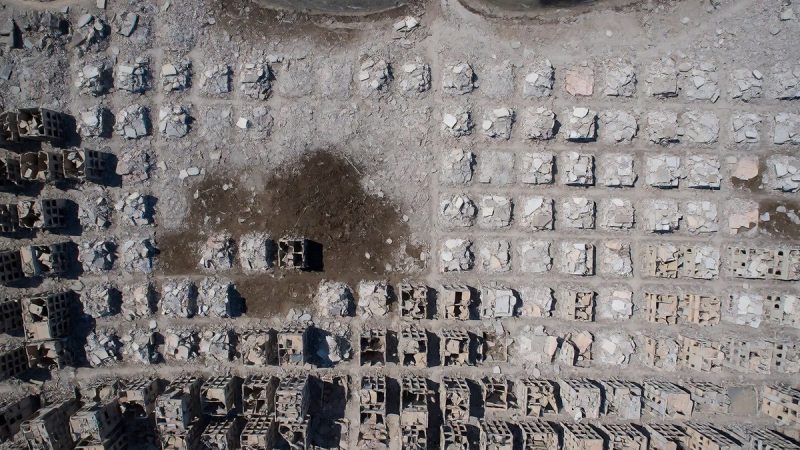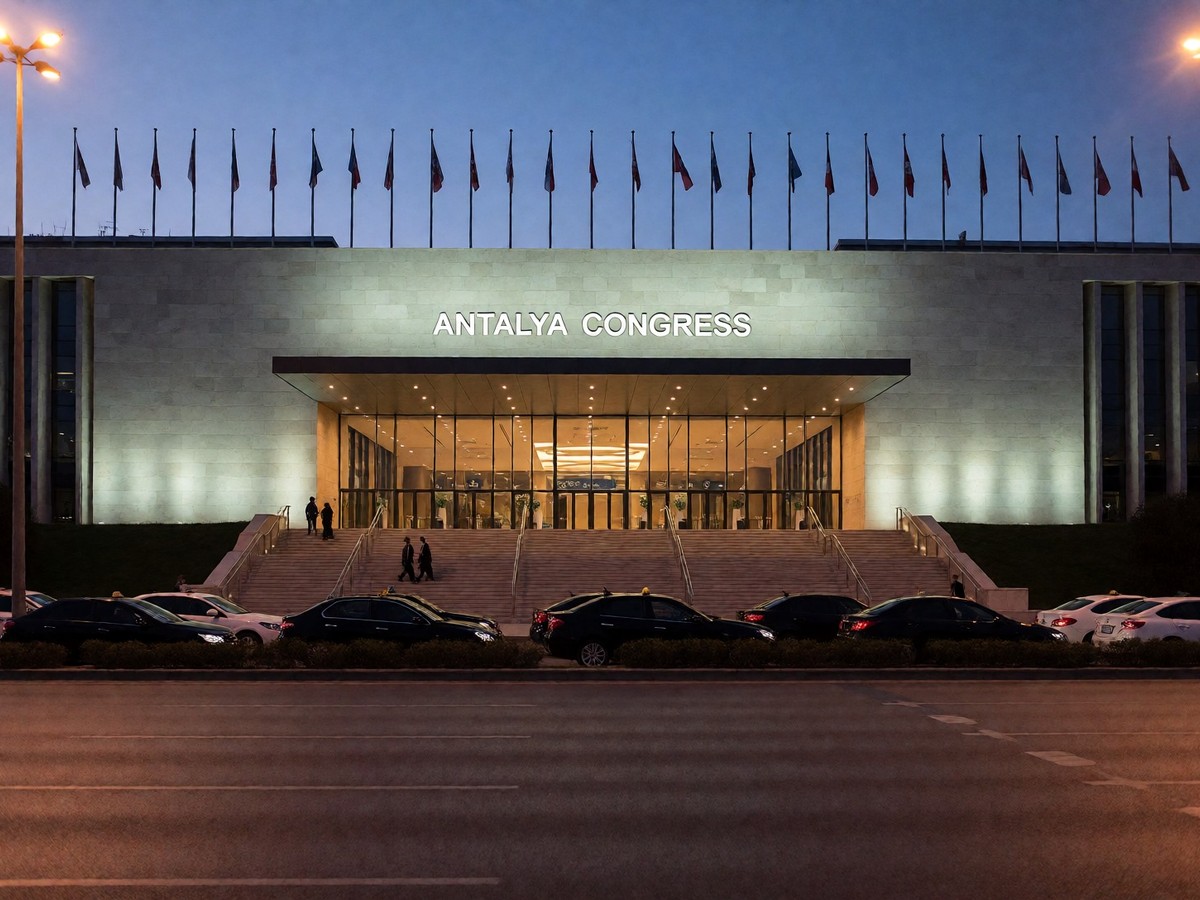
The failure of COP31 to reach a keystone agreement in Antalya exposes a broken decision-making structure that allows a few nations to block global climate progress. The talks, co-chaired by Turkey and Australia, collapsed after the final plenary meeting when countries refused to agree to a draft cover decision. Many nations, including the EU bloc, Panama, Belize, Vanuatu, the UK, the Marshall Islands, and Norway, formally objected to the text. This opposition prevented the pact from being gavelled through because UN climate summit decisions require consensus.
The draft failed to mention the words "fossil fuels", an omission many delegates viewed as a concession to petrostates. Al Gore, the former US vice-president and climate activist, called the failure an "outrage" and stated that "world leaders no longer want to settle for the lowest common denominator." He argued that the process needs reform to "represent the will of the majority of the world". Australian climate minister and COP31 co-chair Chris Bowen noted that the rule requiring consensus makes it difficult to change existing decisions.
| Feature of COP31 | Detail |
|---|---|
| Co-chairs | Turkey and Australia |
| End status | Failed to reach consensus on the Antalya pact |
| Duration | Overran Friday evening to end late Sunday |
| Formal objections | EU, Panama, Belize, Vanuatu, UK, Marshall Islands, Norway |
| Non-objectors | China, India, and many developing countries |
Negotiators face a world beyond 1.5C
The collapse happened as 2026 brought glacier collapses, record temperatures in Europe, and vegetation fires across Asia. This summit served as the first conference since the UN warned that global temperatures would likely exceed the 1.5C threshold established in the 2015 Paris agreement. The draft decision failed to acknowledge that current climate actions have not met essential objectives, a failure that prevented the formal recognition of the 1.5C breach.
The lack of agreement prevents the formal adoption of the reality that warming is on track to exceed 1.5C. Scientists from the IPCC previously warned that exceeding this limit would increase sea level rise by 10cm, put 10 million more people at risk of flooding, increase ocean acidity, and cause extreme heat in every inhabited part of the world. While the draft proposed a method called carbon dioxide removal (CDR) to mitigate this, the summit failed to reach a consensus on the core pact.
The inability to agree on fossil fuel language or specific funding amounts for developing nations showed deep divisions. Wealthy nations failed to set a concrete sum for adaptation funds, despite a previous commitment to triple these funds to 40 billion dollars by 2035. Russian delegate Serghei Kononuchenko accused the EU delegation of providing aid only as loans, calling the arrangement "a old colonial distribution of work, under another guise."
Structural flaws drive calls for change
The consensus-based approach remains the central point of contention for those demanding reform. Simon Stiell, the UN chief climate negotiator, defended the system by noting it helped achieve the 2015 Paris agreement, which lowered expected global heating from almost 5C to 2.6C. However, he conceded the system fell short in Antalya and said he is seeking external advice on "areas of potential reform" within the UN climate convention.
Tobias Holle, co-founder of Shifting Advocacy, said the process is "not fit for purpose any more" because the rules allow a few to dictate the level of ambition. Panama also submitted an open letter to the co-chairs stating it would refuse to compromise on certain issues, including the possibility of moving from consensus to simple majority voting. Matt McDonald, a professor of international relations at the University of Queensland, suggested the legacy of COP31 might be the recognition of these limits and the move toward "alternative sites for climate action."
While the main pact failed, other elements of the summit proceeded. Nations agreed to a framework to promote a just transition for workers and communities and reached agreements on using funds from a global carbon credit system to help developing countries. These procedural successes occurred alongside the failure of the central political agreement. Fatih Birol, head of the International Energy Agency, noted that the world has already arrived in the "era of electricity," suggesting that commercial momentum for renewables may outpace official negotiations.