UK hosts the 2035 tournament
FIFA confirmed on Monday that the UK will host the 2035 Women’s World Cup. England, Scotland, Wales, and Northern Ireland will stage the tournament. This marks the first time the country hosts the event since the 1966 men’s tournament. The 2035 tournament features 48 teams and 104 matches played over 39 days, with 12 groups of four teams followed by knockout rounds that start with a last 32 stage. FIFA awarded the 2031 tournament, which also went uncontested, to the United States, Mexico, Costa Rica, and Jamaica. The UK bid stood alone as the only one under consideration for 2035.
Debbie Hewitt, the Football Association chair, said, "Together we will celebrate the power of women’s football, inspire the next generation and unite fans from every corner of the world."
Noel Mooney, the chief executive of the Football Association of Wales, named Wrexham and Cardiff as host cities. He said, "This is a proud day for Welsh football." He also noted that the ambition in their 10-year strategy, Llunio Cymru, is to reach the knockout stages.
Stadium details and venue scores
The bid identifies 22 potential stadiums. FIFA will whittle this list down to between 14 and 16 venues. Most of the 19 stadiums FIFA evaluated received a score of at least four out of five. I find the low scores for certain venues problematic for a tournament of this scale. The selection process will narrow these options significantly.
| Stadium | Location | FIFA Score |
|---|---|---|
| Elland Road | Leeds | 3.9 |
| Easter Road | Edinburgh | 3.6 |
| Windsor Park | Belfast | 3.6 |
| City Ground | Nottingham | 3.6 |
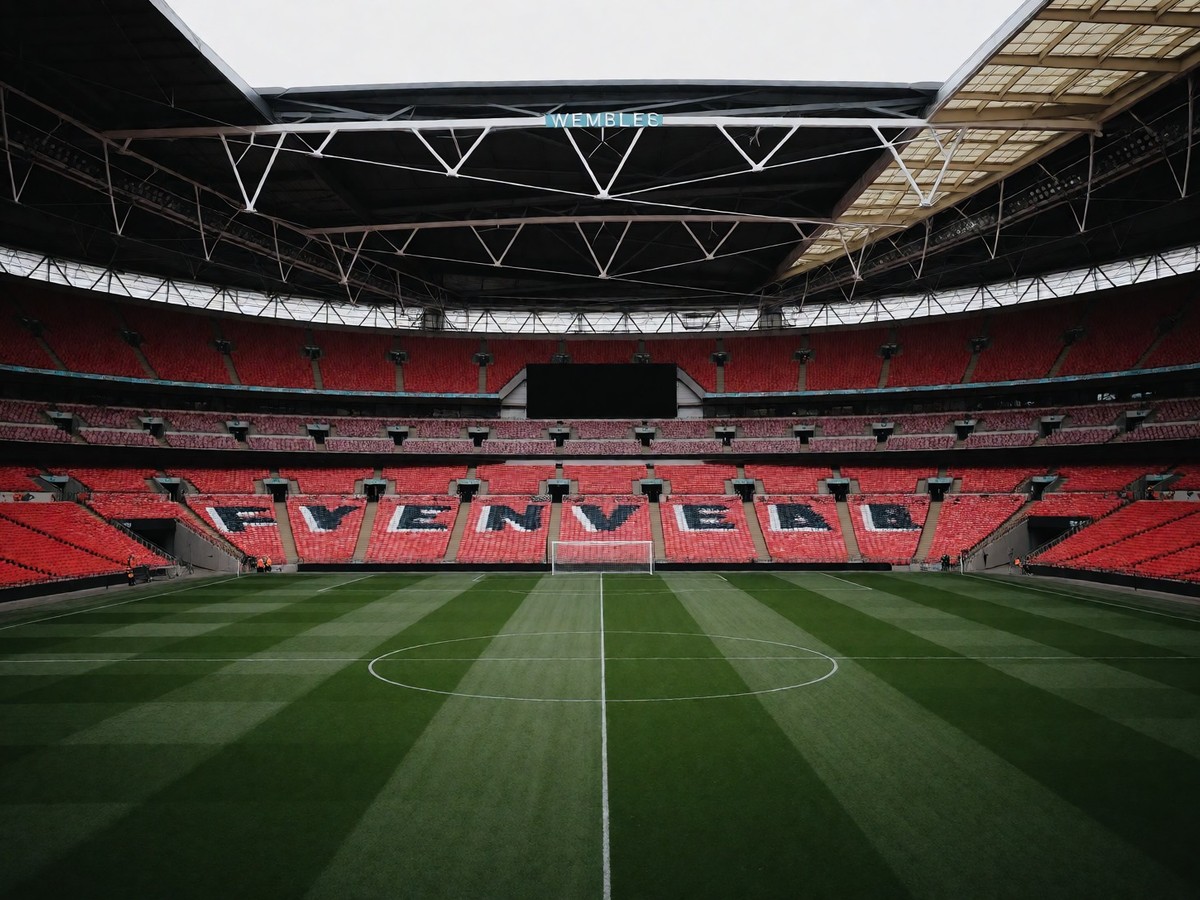
FIFA did not assess Birmingham City’s proposed 62,000-seat Powerhouse Stadium, Wrexham’s stadium, or Chelsea’s stadium options. The bid includes 16 stadiums in England, three in Wales, two in Scotland, and one in Northern Ireland. The 15 host cities include Trafford, which the bid lists separately from Manchester. Wembley serves as the proposed venue for the final. The list of venues includes Cardiff City Stadium, Principality Stadium, Hill Dickinson Stadium, Emirates Stadium, Selhurst Park, Tottenham Hotspur Stadium, Etihad Stadium, St. James’ Park, and the Stadium of Light in Sunderland.
Tax disputes and stadium upgrades
The bid received a 4.3 out of five rating from FIFA, but the contractual framework carries a "medium risk" label. FIFA noted that certain government guarantees regarding tax and safety and security contain "material qualifications". This disagreement involves a lack of agreement over a request by Fifa for tax-free status for all football-related activities. The Guardian reports that FIFA has disagreements with the UK government and four football associations over demands for tax-free status and exemptions from exchange-rate fees. I consider this lack of agreement a major weakness in the hosting arrangement.
In Northern Ireland, the Irish Football Association must manage stadium requirements. Angela Platt, the director of women’s football for the IFA, said the organization works with the Northern Ireland government to find funding for Windsor Park. The stadium needs 5,000 additional seats to increase its current 18,500 capacity, plus changes to the pitch and floodlights. This follows the previous failure to host Euro 2028 matches in Belfast due to a lack of government funding for Casement Park.
Patrick Nelson, the Irish Football Association chief executive, said the event "would be felt in every club and every age group, in every part of the country". He added that young players would grow up watching the best in the world play at home.
Ian Maxwell, the Scottish Football Association chief executive, said hosting the tournament would be "the most significant thing to happen to the women’s and girls’ game in Scotland". He added that investment in coaching, facilities, and player pathways would shape the future of the game.
Andy Burnham said the tournament would bring "visitors, investment and jobs to every part of the country". The prime minister pointed to the sporting impact and said the event would "bring more people into the game and leave a legacy that lasts long after the final whistle". The UK also prepares to co-host the men’s European Championship in 2028 alongside Scotland, Wales, and the Republic of Ireland.