Burnham’s renewed approach to Europe
Andy Burnham has reignited a messy and divisive debate regarding Britain’s relationship with the European Union despite his personal assurances to avoid "banging on about Europe." Following a U.K.-EU summit last Friday, the prime minister updated MPs on technical deals concerning food standards and youth mobility, as well as emissions trading. During a business conference hosted by the Confederation of British Industry, Liberal Democrat leader Ed Davey stated he could renegotiate entry to the single market and customs union within a year. Nigel Farage, the Reform UK leader, told delegates that Brexit could reverse his party’s falling poll rating. Kemi Badenoch, the Conservative leader, told business leaders that Burnham was "opening Pandora’s box" and warned against another five years of division. Tom Tugendhat, the Conservative Shadow Foreign Secretary, told LBC that Burnham privately told French President Emmanuel Macron in September that his entire plan was to rejoin the EU, though a government official denied this.
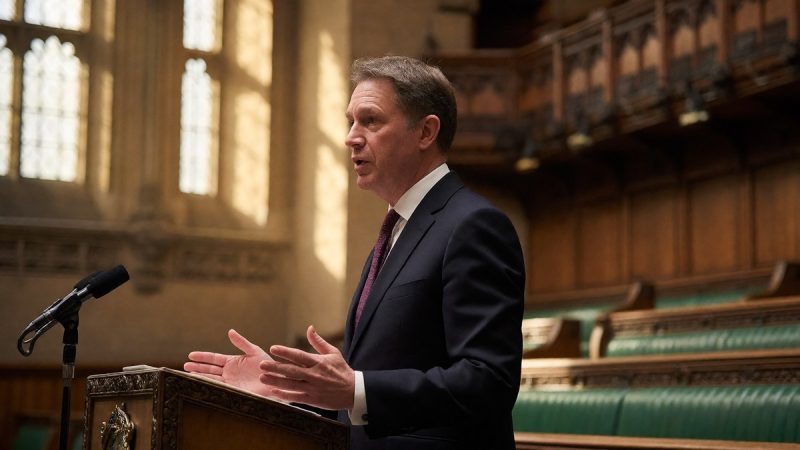
Burnham told MPs he would not provide a "running commentary" but instead offer a "calm, constructive, and pragmatic consideration" of long-term interests. The prime minister suggested his personal enthusiasm for rejoining could change if the far-right politician Marine Le Pen wins the French presidency. He promised to present "options" for the future relationship in mid-December instead of this week. This delay follows his decision to slow down the conversation he started two months ago. Peter Kyle, who served as business secretary under Keir Starmer, told the Commons that the UK cannot reopen something that never closed in the first place.
| Timeline Detail | Scheduled Timing |
|---|---|
| New summit legislation | This Thursday |
| Future relationship options | Mid-December |
| Informal EU brainstorm | Before late 2027 |
| Labour party manifesto | Mid-2029 |
Policy hurdles and economic divergence
The government must now navigate several difficult economic and political tensions. Louise Haigh, the deputy prime minister, told the CBI that the Friday deals represent the extent of movement possible before the next general election. She noted that the UK has diverged on AI and financial services to drive economic growth. One Labour MP argued that it was impossible to avoid talking about the future relationship with Europe, while another MP in a pro-EU seat described the decision to restart such a fractious conversation as "madness."
The administration faces immediate hurdles regarding the implementation of the recent summit outcomes. EU officials may attempt to sink the new deals if both sides fail to reach an agreement because of a required reduction in EU student tuition fees in the U.K. Andy Burnham declined to confirm if he would compensate universities for such a reduction. The government also must decide whether to match EU tariffs on Chinese electric vehicles to benefit from the Made in Europe scheme. Therese Coffey, the former Environment Secretary, noted that the European Court of Justice has repeatedly ruled against governments holding "golden shares" in major industries.
Business responses to political shifts
Business leaders remain split on the consequences of closer alignment. Martin McTague, a Labour peer and former chair of the Federation of Small Businesses, said rejoining the EU is a "remote possibility" that depends on specific conditions. He noted that the business community remains divided because food and drink firms feel liberated while others worry about EU standards on artificial intelligence. McTague also said that the country suffered three years of indecision about the future of Europe and that the current situation is like an echo of the referendum where the UK left without knowing what it would face. Craig Beaumont, the Executive Director for the Federation of Small Businesses, said his members do not support reheating the 2016 referendum or a divisive vote that might sap political energy. Rain Newton-Smith, the Director-General of the CBI, urged the government to have the courage to pursue a specific model of European alignment. Dave Bench, the chief executive of Croplife UK, said his companies need certainty on how laws and requirements will be implemented. One chief executive believes Burnham’s actions point toward an early election, while another senior figure at a large firm said they agree with Theresa May’s urge not to reopen old wounds.