Escalation concerns in Berlin
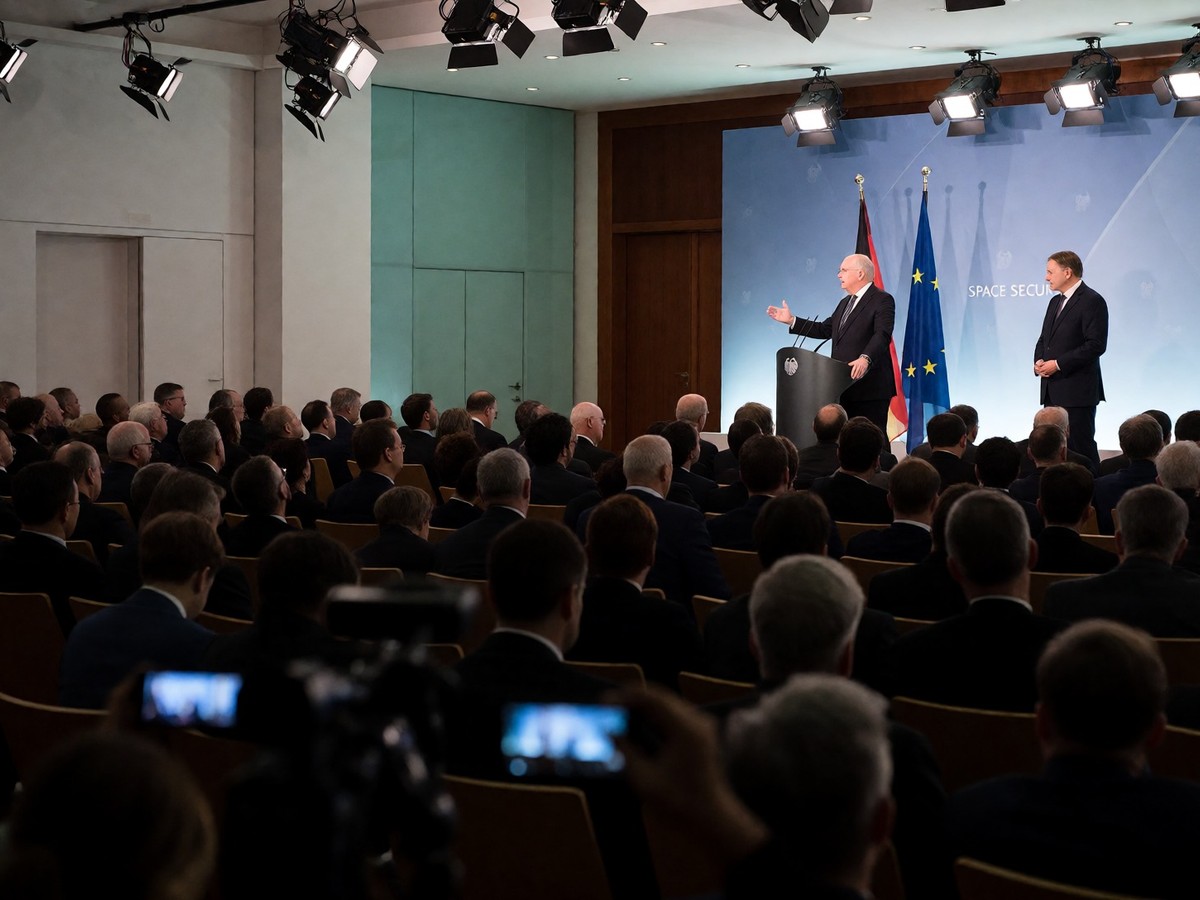
I find the German government’s reaction to reports of Russian space weapons to be a tense mixture of alarm and caution. German Chancellor Friedrich Merz stood alongside NATO chief Rutte and did not confirm or deny reports of Russia’s plans for nuclear weaponry in space, but he said they "reveal the level of escalation Russia is evidently prepared to pursue". A German government spokesman also did not confirm or deny the reports, but told AFP that the government is taking the reports "very seriously". The German government also warned against causing "excessive nervousness regarding hypothetical dangers". Josef Aschbacher, the head of the European Space Agency, told Handelsblatt that having nuclear weapons in space is "the ultimate nightmare scenario". The reports involve Russian plans to introduce nuclear weaponry into space, a prospect that Merz noted is not new but remains shocking to the international community. These developments come as the US and Russia continue to contest space control.
Treaty compliance and US claims
The 1967 Outer Space Treaty bans weapons of mass destruction from orbit, but the US and China have deployed or plan to deploy other weapons in space. These nations explore capabilities outside of the treaty, such as targeting rivals’ satellites which are vital for military communications, surveillance, and navigation. In 2024, the US claimed Russia was developing a "space-based" anti-satellite weapon armed with a nuclear warhead, a claim that Russia denied. This accusation followed years of tension regarding orbital capabilities. President Vladimir Putin said at the time, "Our position is clear and transparent. We have always been categorically against the deployment of nuclear weapons in space and we are still against it." In September, US Secretary of the Air Force Troy Meink said the US has "on-orbit, space-control weapons" circling the planet, but he provided no specifics. Kremlin spokesperson Peskov told Russian media in response to that announcement that space "must be free of any weapon". This tension persists because nations continue to explore capabilities outside the treaty to disrupt satellite-based navigation, surveillance, and communication, which remain vital for modern military operations.