Security and sports restrictions
Ursula von der Leyen announced the 22nd sanctions package against Moscow on Monday, stating the move gives Ukraine the strength to secure a peace. I find the move to restrict visas for former Russian soldiers the most necessary part of the proposal because these ex-combatants pose a security risk to Europe and cannot be allowed to wander freely across EU countries. The EU agreed on a legal framework for these restrictions over the summer but has yet to put them into effect. The Commission also wants to bar Russian teams and athletes from competing in the bloc, which would prevent Russia from returning to next year’s ice hockey world championship in Germany. This attempt to exclude Russian sports follows a previous arbitration court ruling that the International Ice Hockey Federation lacked sufficient grounds to exclude Russia from the tournament. I note the proposal to ban the display of official Russian symbols and restrict financial flows from Russian sponsors to European based sports and cultural associations.
Financial and logistics measures
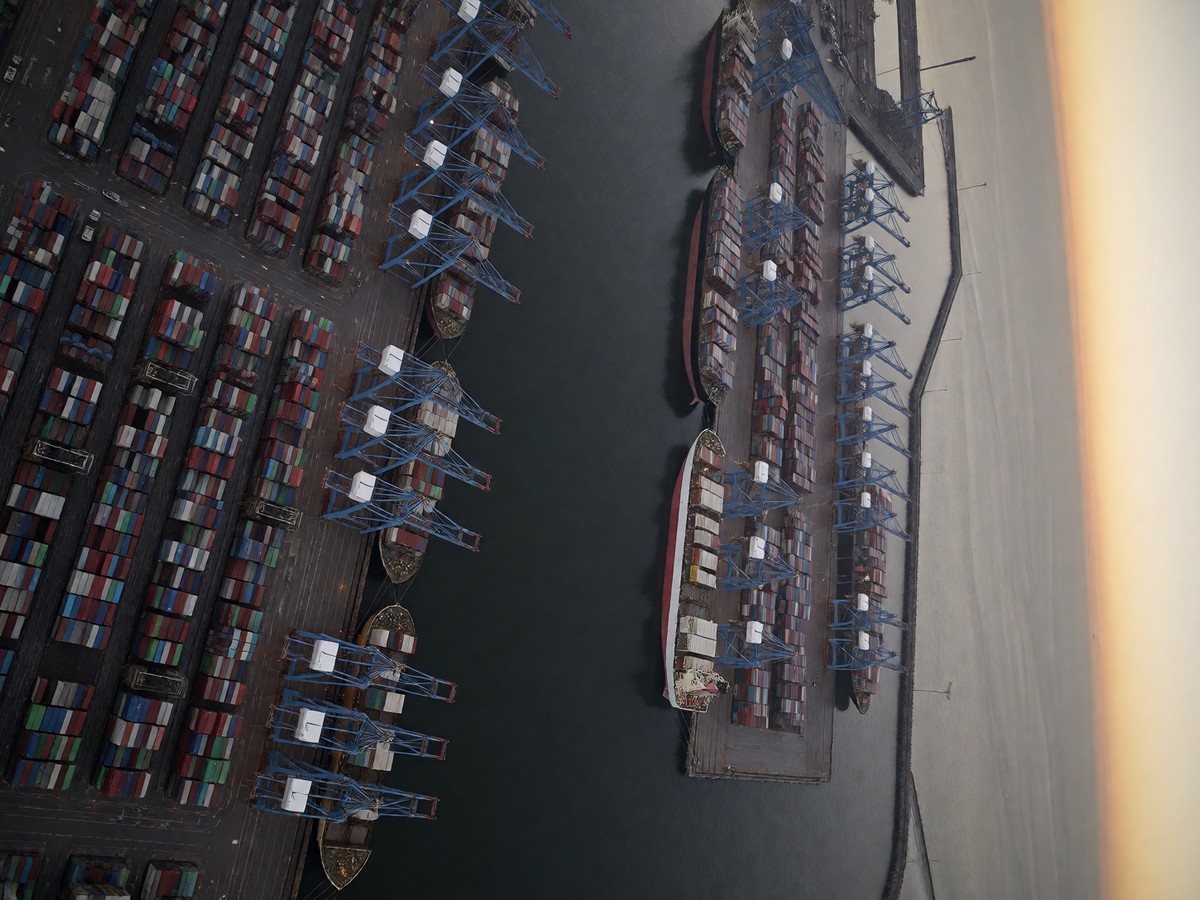
The Commission plans to target the shadow fleet by adding 70 vessels to the sanctions list and will bar European companies from repairing Russian refineries damaged by Ukrainian drone attacks. The EU will also bar citizens from sitting on the boards of Russian companies.
| Category | Proposed Measure |
|---|---|
| Shadow Fleet | 70 additional vessels |
| Financial Institutions | 60 more banks disconnected |
| Sanctions Iteration | 22nd package |
I see the push to disconnect 60 more banks from international payment systems and target cryptocurrency networks as a direct way to address shadow finance. The Commission intends to target third countries that help Russia evade sanctions, a move von der Leyen says will help coordinate with international partners, though the EU has previously been cautious about directly targeting third countries. Political friction clearly hampers this progress, as a previous package was held up for weeks over restrictions on liquefied natural gas shipments and a French dispute regarding the removal of two Russian billionaires from the sanctions list. Last week, the Commission announced the creation of a dedicated sanctions office to oversee the design, drafting and coordination of restrictive measures. Diplomats aim to reach an agreement on these proposals by the end of the year, following the groundwork laid by the new sanctions office.