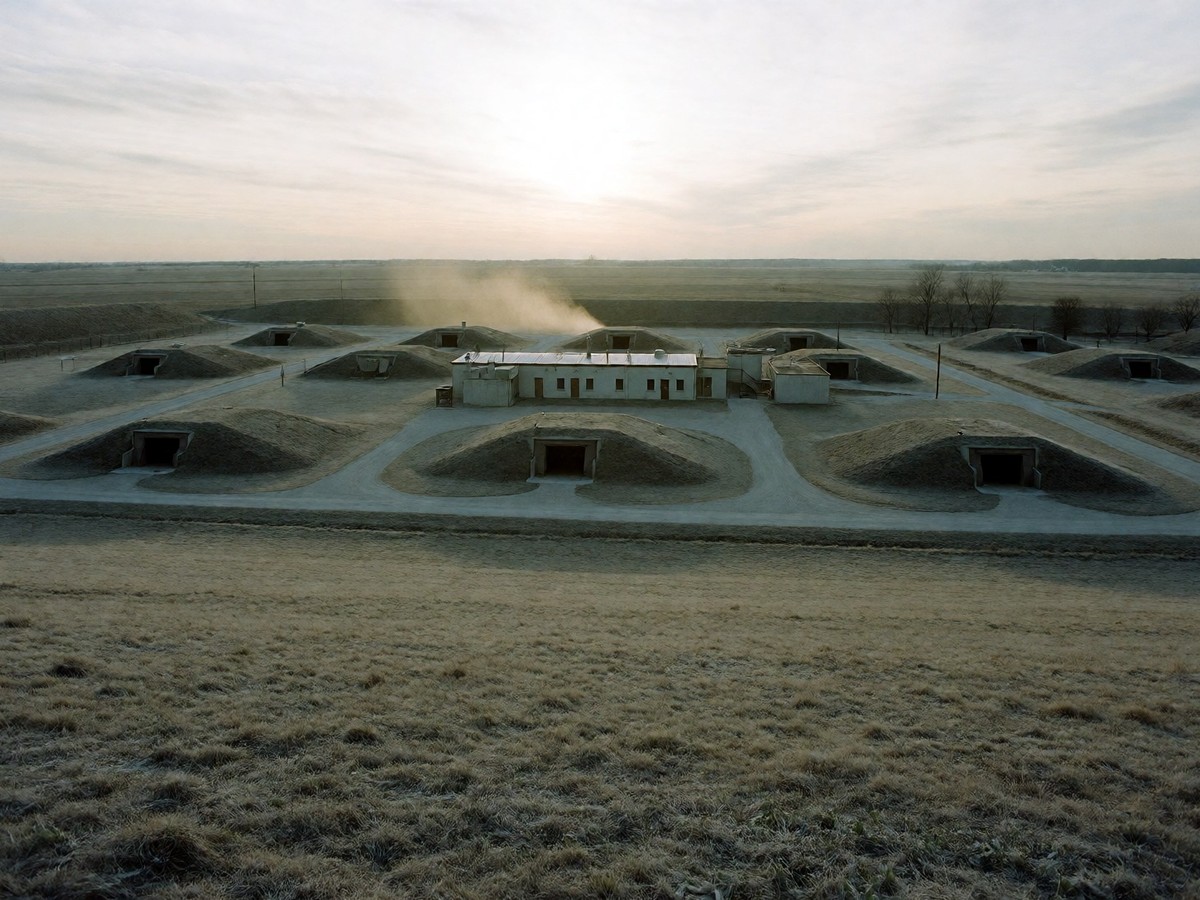
Successful detonation in Iowa
The US Army detonated nearly five tonnes of lead azide explosives in Iowa on Wednesday. Acting secretary Adam Telle called the operation a "huge success." I find the Army’s claim that the risk sits "as close to zero as is absolutely humanly possible" consistent with reports. EPA administrator Lee Zeldin stated that all air monitors report a "ZERO DETECT" of airborne lead in the hours following the 09:00 local time blast. The Army rescheduled the detonation to avoid cold winter temperatures and faced legal challenges that only ended when an appeals court ruled on Monday that the risk from an unplanned explosion surpassed the detonation risks.
| Explosive Detail | Specification |
|---|---|
| Material | Lead azide |
| Amount | Nearly five tonnes |
| Storage duration | 20 years |
| Blast time | 09:00 local time |
President Trump said that mitigation efforts "far exceeded expectations" following the blast. Fema issued an "all clear" around the ammunition plant, and the Army says post-detonation surface sampling is underway. The explosives sat in storage for 20 years and underwent recrystallisation, a process that makes the volatile compound more prone to accidental detonation from movement.
Local impact and political response
Middletown Mayor Rodney Johnson expressed relief after watching the blast from his job eight miles away and monitoring a camera at his home one mile from the site. I see his calm as a direct contrast to the anxiety felt by residents like Sandy Mabeus, who lived eight miles away and hunkered down with her family while watching live streams on iPads and televisions. She closed her windows and garage and brought her outdoor cat inside, noting that the "waiting and wondering has not been a good thing for anybody in the area." Farmer David Vandenberg, located 20 miles from the site, heard a rumble around 09:00 but saw nothing, though the Army Corps of Engineers had taken samples from his yard and pond on Tuesday.
Local leaders and residents remain divided on the aftermath. Illinois Governor JB Pritzker reported that his state sees little to no impact from the site, but Iowa Governor-elect Rob Sand demanded "immediate transparency" regarding the chaotic lead-up. Sand insists that any Iowans who have been impacted by the blast in any way must be "taken care of fully, right away," because no level of lead exposure is considered safe for children or pregnant women. The Army had warned locals of "potential exposure to toxic lead dust," which prompted the institution of an optional evacuation zone and a shelter-in-place advisory. Fema administrator Cameron Hamilton promised additional resources and testing in the coming weeks to address lingering concerns.