Independent use for the ninth participant
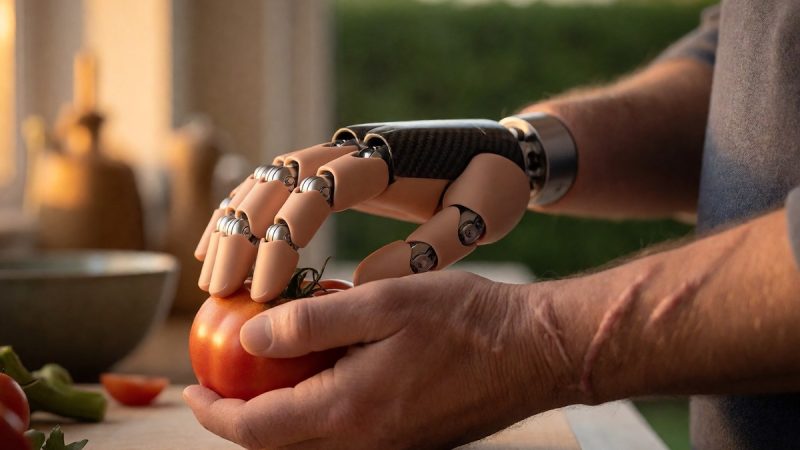
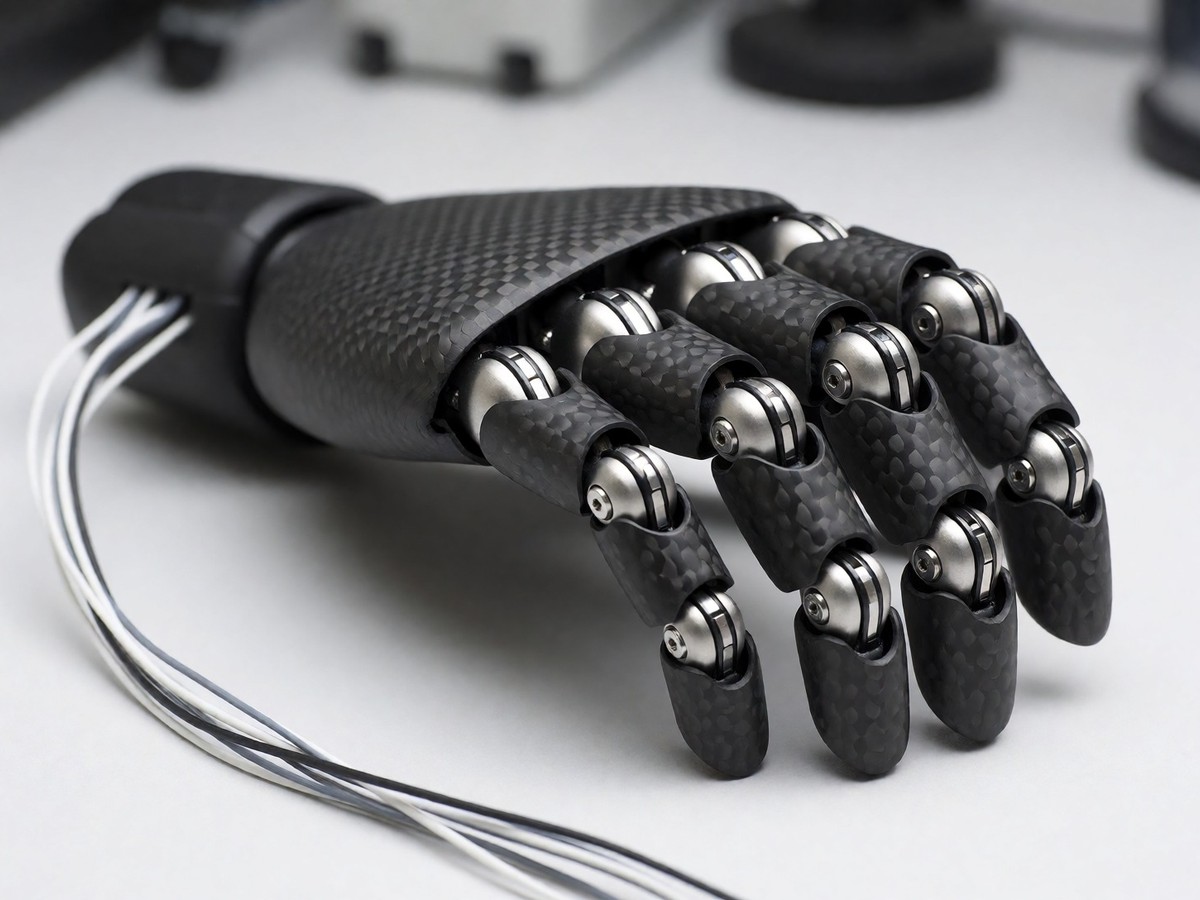
I talked to Alexander (Avi) Davidson, a trauma therapist who lost his left hand and mobility as a teenager. He is the ninth person in a clinical trial for a prosthetic hand that connects directly to nerves in his arm via implanted electrodes. While eight others participated in the study, Avi is the first participant to take the device home to perform daily tasks such as drinking from a cup or writing. This technology requires hundreds of hours of lab-based training and physical therapy around his demanding job. Because the wires connect to his nerves, he must undergo surgery to implant the electrodes and will eventually need another surgery to remove them, which adds to the overall complexity of the trial. He literally has wires coming out of his arm to plug the device in. He has used seven different prosthetics in the 17 years since his accident and is participating in this trial to help push the technology forward instead of to benefit himself.
Brain mapping and physical limitations
The research team at the University of Utah hopes to see how the device performs in real-world settings outside of a lab. Scientists also want to see if Avi’s brain changes from using the bionic hand, as they performed brain scans to see how his missing left hand was represented in his brain before the trial started. This research may explain how a bionic limb affects the brains of people who are born without limbs. Avi has found that his prosthetic wrist can feel sore and stiff when he overuses it, which is an irritating sensation, though stretching the area can often relieve the discomfort. No one knows why stretching provides the necessary relief. Scientists do not know whether Avi’s brain will change as a result of using the bionic hand. He will have the device until late January 2027 at the least, and potentially for another year, but the team’s ability to provide it depends on how the research progresses and how much funding they secure. Because of these factors, it is not clear how long the device might be expected to last in a person’s body.