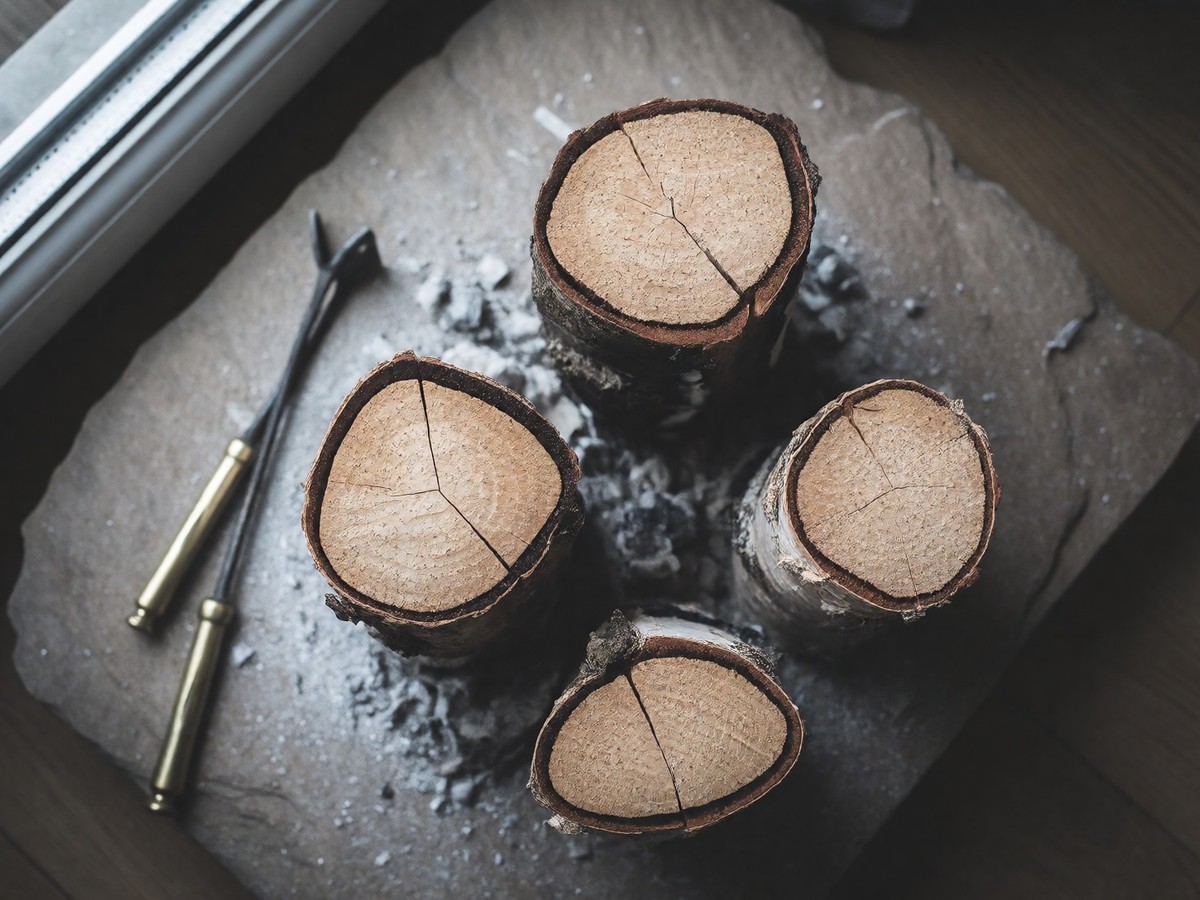
New research across six European towns and cities suggests that children’s exposure to home wood-burning could be as significant as their exposure to traffic exhaust. Scientists measured air quality in buildings where children spend much of their time, including schools, sports centres, and homes. They specifically looked at polycyclic aromatic hydrocarbons, or PAHs, a family of pollutants released when fuels are burned. Dr Barend van Drooge, senior author from Barcelona’s Institute for Environmental Assessment and Water Research, noted that some of these compounds are related to cancers after prolonged exposures. He also pointed out evidence that they delay cognitive development. The study covered Athens, Barcelona, Colchester, Copenhagen, Helsinki, and Lisbon.
Where the pollution lives
Urban areas with wood-burning, such as Colchester and Athens, had the highest PAH levels. In those two locations, PAH exposure was greater than World Health Organization guidelines. Barcelona and Lisbon, where wood-burning is not practised, had the lowest levels. Sports centres recorded the lowest concentrations overall, followed by schools, though some in Lisbon were affected by nearby busy roads. Homes with open fireplaces and stoves in wood-burning areas showed some of the greatest PAH levels. Winter PAH concentrations were consistently greater than summer levels. In Colchester homes, high-molecular-weight PAH in winter were more than 10 times those in summer. Low-molecular-weight PAH were around three times greater. Van Drooge found it surprising that wood-burning has become such an important contributor to overall urban PAH presence, yet none of the cities exceeded unacceptable limits for lifetime cancer risk.
Beyond the city limits
Within the UK, the impacts of wood-burning are unlikely to be unique to Colchester. University College London researchers analyzed energy performance certificates and found Colchester ranked 120th out of 333 local councils for density of wood burners per square kilometre. Worthing, Norwich, and Reading all had around four times more. A wintertime study of 53 children from two primary schools in Anglesey found that children living in homes with wood burners could be exposed to over three times more particle pollution than those in non-wood-burning homes. That same Anglesey study also found that homes had more air pollution than schools. In Greece, wood-burning increased during the financial crisis that began in 2008 because heating oil costs soared. This contributed to increased deaths associated with particle pollution in Athens, especially for those aged over 70. In some Greek towns, wood-burning leads to PAH that are 100 times greater in winter compared with summer.