Control of Congress and the Trump referendum
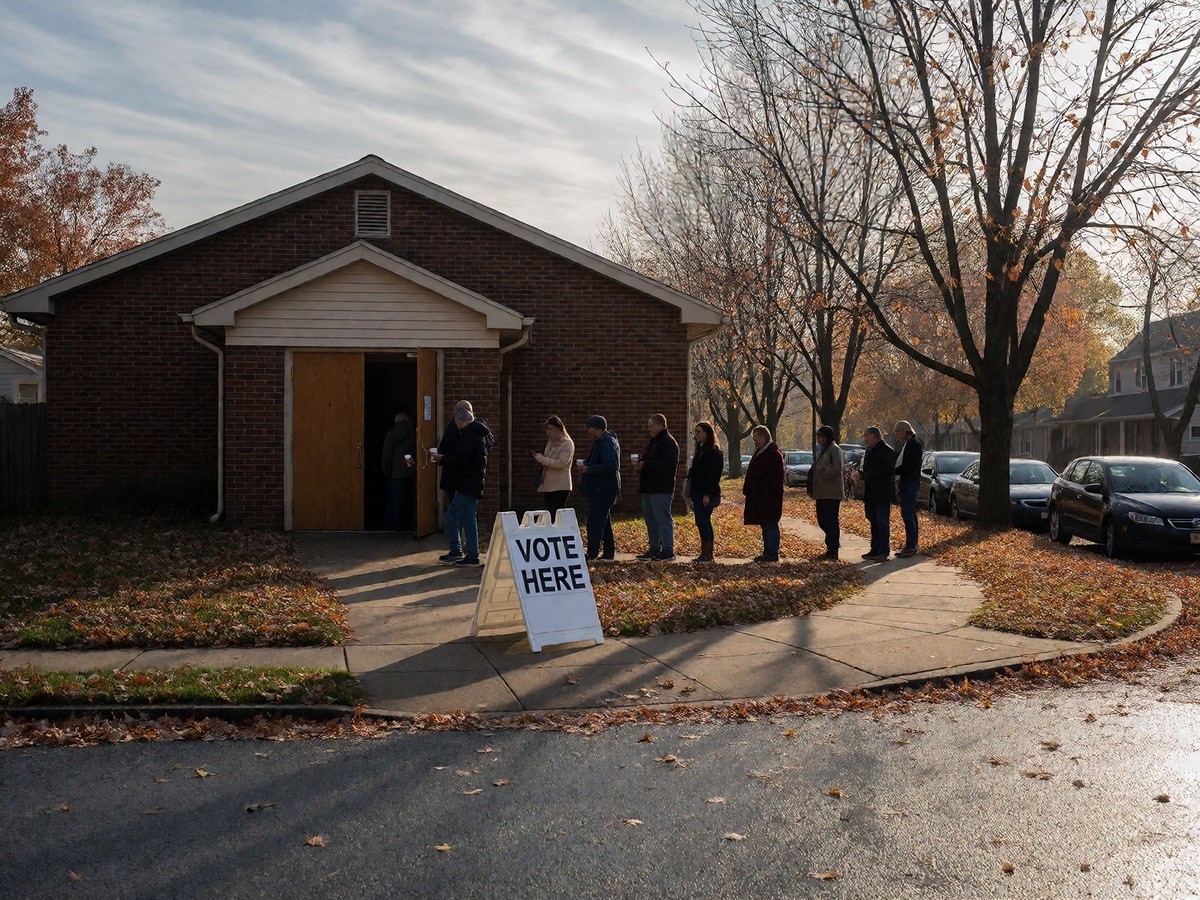
Americans head to the polls today to decide control of the Senate and House of Representatives. Republicans currently hold both chambers, but Democrats hope to win both to limit Trump’s presidential power. Democrats want to restrain his immigration crackdown involving mass arrests and deportations, his war with Iran, and his use of tariffs. Trump also embarked on building projects like a White House ballroom. Democrats hope to exploit his 33 to 37 percent approval rating to generate a "blue wave" of opposition. I find the Democratic strategy in Michigan particularly messy following the endorsement of Republican Mike Rogers by Haley Stevens. Chuck Schumer called her move "a despicable betrayal" after Stevens broke with Abdul El-Sayed. In Alaska, the Department of Justice, led by Todd Blanche, filed a lawsuit to block the certification of Senate results if a Republican loses, citing voter confusion over the presence of two Dan Sullivans on the ballot. This lawsuit received a dismissal from a judge. Mary Peltola, the Democratic candidate, denied any knowledge of a scheme to recruit a challenger with the same name as her rival, Dan Sullivan. Democratic candidates are currently ahead in five of seven battleground contests, including Texas and Kansas, where voters have not sent a Democrat to the Senate since 1988 and 1932, respectively.
The reflecting pool and economic pressure
Trump used his final press conference before the election to discuss the $14m renovation of the Lincoln Memorial reflecting pool. The project suffered an algae bloom and peeling coatings, which Trump attributed to vandals without providing evidence. I find his pivot from discussing granite and grass to discussing the election within twenty minutes to be a desperate attempt to stay relevant. The US attorney Jeanine Pirro dropped charges against David Hearn, a man Trump accused of damaging the pool. Trump also accused Joe Biden and Barack Obama of overspending on previous renovations. Voters face rising living costs and inflation that the war with Iran, which Trump started in February, has worsened. Higher oil prices have increased costs for motorists and diesel, which is vital for farmers and supply chains. Trump has earned about $2.2bn since returning to the White House, including royalties from a name-branded meme coin. Voters often focus on his growing wealth while they chafe under rising living costs, which Trump vowed to reduce during his 2024 campaign. Opinion surveys show 76 percent of voters think elected officials care more about enriching themselves than improving the economy for ordinary people. The justice department plans to deploy 1,000 election monitors to polling stations, a move that critics call voter intimidation.
New Hampshire’s battle for the Senate
In New Hampshire, Chris Pappas faces John Sununu for the Senate seat left open by Jeanne Shaheen. Pappas, a four-term US representative, argues Sununu will act as a "rubber stamp" for the president. Sununu, who belongs to a political dynasty including his father and brother Chris, emphasizes his independence and criticized Trump’s trade war with Canada. He also noted that he opposed putting American troops on the ground during the Iran conflict. I see the New Hampshire race as a difficult environment for Sununu because Trump’s 32 percent approval rating in the state makes it hard to win. Sununu even claimed in a campaign advertisement to have "never met" the president. Pappas also pointed to Sununu’s past support for privatizing social security and his "yes" vote for the Laken Riley Act, which requires the detention of undocumented immigrants charged with theft. New Hampshire voters often split their tickets, as seen in 2024 when they backed Kamala Harris but elected Republican Kelly Ayotte as governor. The campaign also involved personal attacks when Pappas mentioned an email in the Jeffrey Epstein files that included Sununu’s name. Sununu’s campaign stated that neither he nor his father ever met or communicated with Epstein or Boris Nikolic.