Service delivery failures and the ANC decline
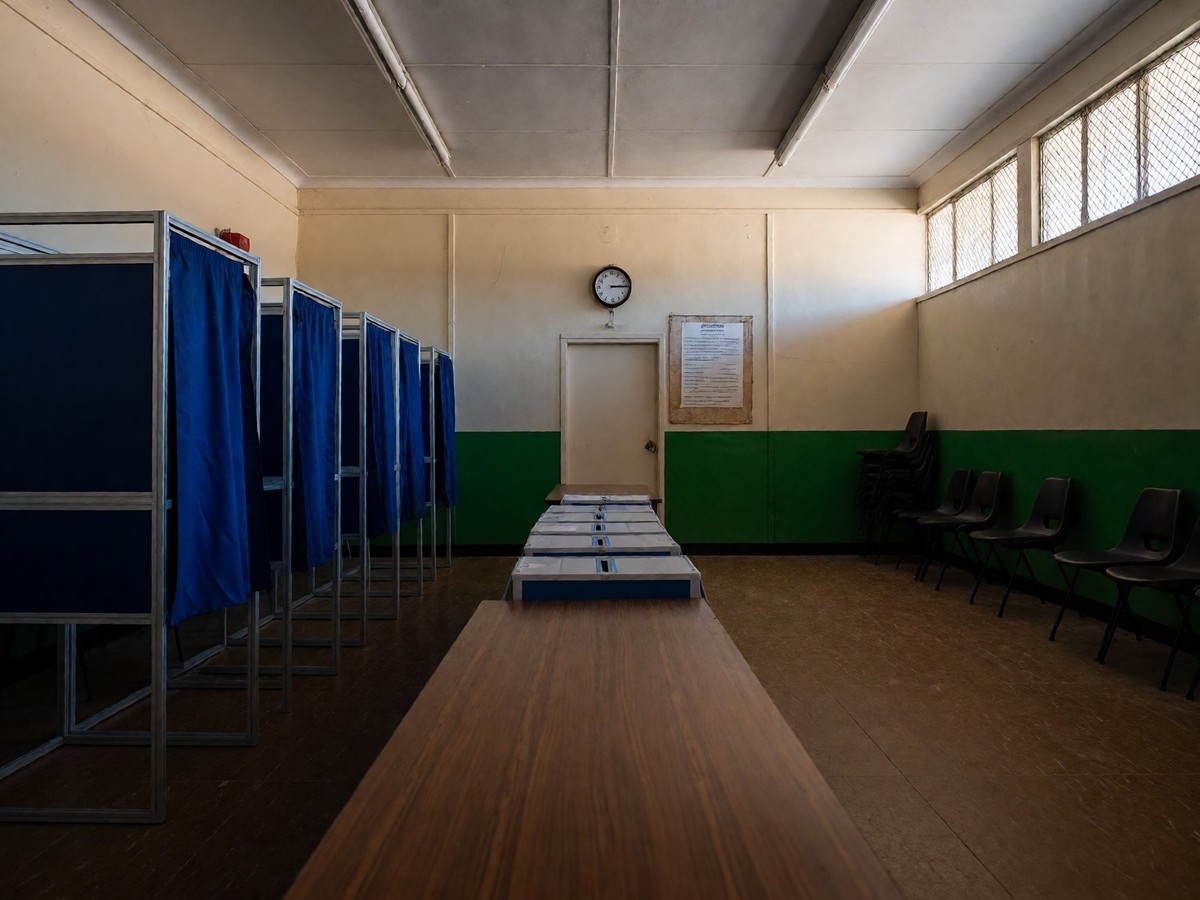
South Africans vote Wednesday in local elections as the African National Congress (ANC) faces a massive loss of support. Polls from Ipsos put the ANC at 30% support, a drop from 45.6% in the 2021 municipal elections and 40.2% in the 2024 national elections. The party’s support fell from 70% in 2004 to 40% two decades later. Voters choose councillors and parties, but mayors are not directly elected. Leaders are campaigning to head nearly 300 municipalities responsible for water, electricity, and refuse collection. Residents in townships like Alexandra face rubbish piles, electricity shortages, and water issues. In Alexandra, houses are sandwiched together and the stench of raw sewage and uncollected rubbish is heavy in the air. Sanele Ntombela, an 18-year-old voter, said, "We face many challenges in Alexandra. There’s rubbish everywhere and we struggle with electricity and water and many other issues." Zandile Mncube, 33, said she will not vote because things have gotten worse over the years. In Soweto, 45-year-old Mduduzi Makhubo said, "Every Monday we know we won’t have water after 2pm."
Gauteng metros face instability
The Gauteng province, South Africa’s economic engine, faces extreme instability in its three metro cities. Johannesburg, a city of 4.8 million people, has had 10 mayors in 10 years. Auditor-general Tsakani Maluleke said Johannesburg needs ongoing attention because its financial health is deteriorating and service delivery is compromised. In Tshwane, the mayoralty rotated between parties four times since 2020, and over 800 people in Bronkhorstspruit contracted a gastrointestinal illness from contaminated water in October. Ekurhuleni has had three mayors since 2021.
| Metric | Value/Result |
|---|---|
| Total registered voters | 29 million |
| ANC local vote (2021) | 45.6% |
| ANC national vote (2024) | 40.2% |
| ANC current poll (Ipsos) | 30% |
| DA Johannesburg poll (Ipsos) | 25% |
| MK eThekwini poll | Above 40% |
In Johannesburg, the Democratic Alliance (DA) leads the polls, but Herman Mashaba of ActionSA, which polls around 10%, has ruled out working with DA leader Helen Zille. In Johannesburg, the Democratic Alliance leader Helen Zille campaigned by swimming in potholes and kayaking through flooded streets, but Herman Mashaba of ActionSA calls her a "racist" while predicting his party will get 10%. While the ANC national leadership is open to working with the DA in Gauteng, local ANC leaders are reportedly not in favour of a DA tie-up. Zille, who is 75, led a campaign that included riding into her final rally in a BMW 325i known locally as a "Gusheshe." Political analyst Melanie Verwoerd says the expectation is that the ANC generally in the country is going to perform the worst it’s ever done. Only 39 clean audits were recorded between 2024 and 2025, and none of the Gauteng metros featured in that list.
The MK surge and DA dominance
In eThekwini, which contains Durban, the uMkhonto we Sizwe (MK) party of Jacob Zuma is polling above 40%. This is a massive increase from the ANC, which won 42% in eThekwini in 2021 but now polls around 10%. The MK party was founded by Zuma and was the biggest party across his home province of KwaZulu-Natal in the 2024 provincial election. Zuma, 84, denies corruption allegations and wants to take control of many municipalities. In Cape Town, the DA will likely retain its majority, though it will probably get less than the 58% it won in 2021 because unaffordable housing turns voters against the party. Political analyst Levy Ndou says a coalition between the DA and ANC seems unavoidable in most metros. The electoral commission has seven days to announce the results of the election, which is contested by over 500 political parties, and parties then have 14 days to form councils.