Efficiency in the face of shortages
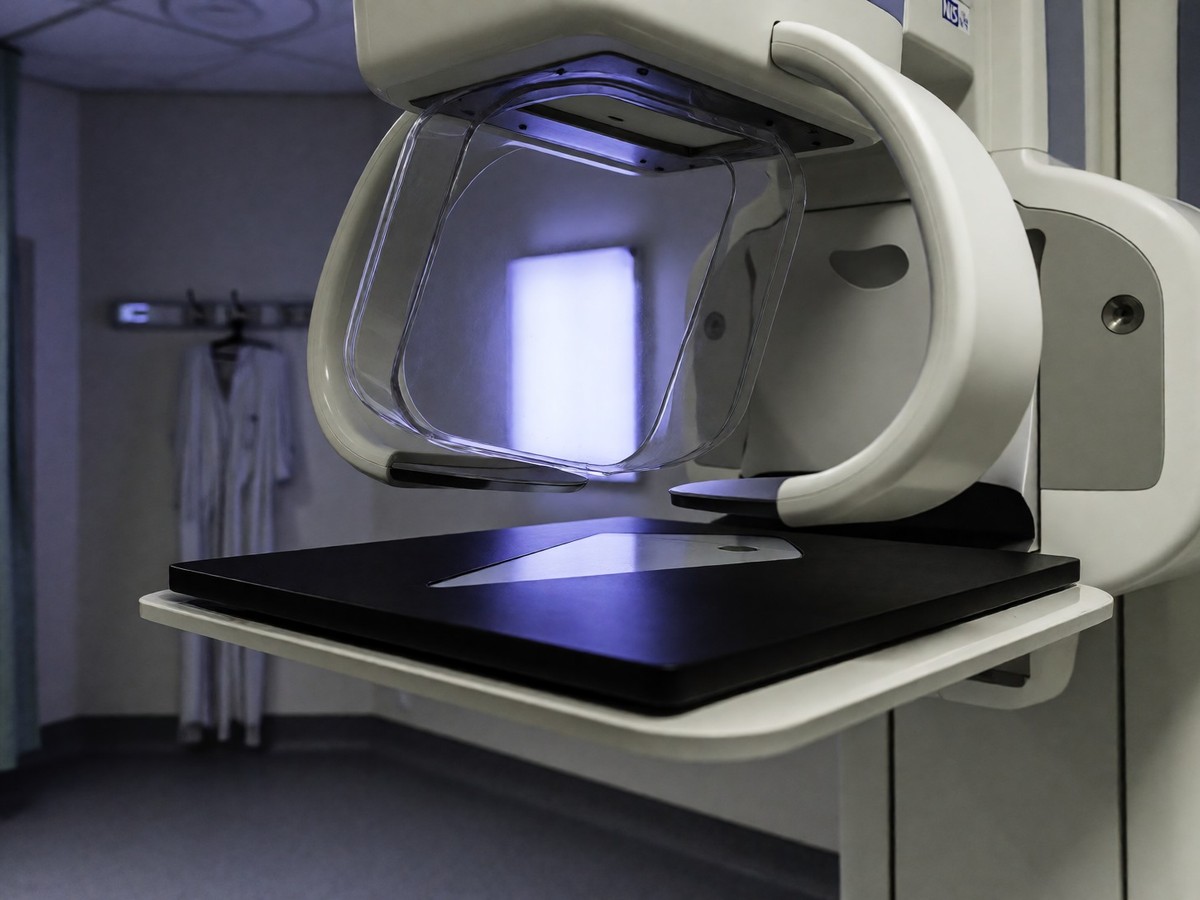
Recruitment has already started at Cambridge University Hospitals for the EDITH trial, which is the first of 30 sites testing how artificial intelligence can assist in breast cancer screening. I find the attempt to manage increasing workloads the most compelling part of this £11m trial, particularly because imaging examinations increase by 8% every year and Professor Fiona Gilbert reports a "huge shortfall" in radiologists. This National Institute for Health and Care Research project involves four AI companies and targets nearly 700,000 women. Health Secretary Yvette Cooper noted during a visit to Addenbrooke’s Hospital that AI has huge potential to improve treatment, provided there are proper safeguards. While two NHS experts currently review each mammogram, the trial tests if AI can replace one of those human readers to speed up the process. I believe this shift is necessary to support the two million women who attend routine screenings every year.
Mechanics and patient impact
The trial expects to last three years and tests two distinct ways to use machine-learning software. In one arm, an AI programme will grade images before they go to NHS experts, while in another, the software will review images afterwards. Researchers use millions of previous images to train the software to find subtle changes in breast tissue that a human eye might miss. Sian Taylor-Phillips, a professor of population health at the University of Warwick, says AI-assisted technology could help improve early cancer detection, but she warns researchers must avoid the overdiagnosis of milder disease that would never have caused symptoms. I find this risk of overdiagnosis to be the most concerning element, as researchers must ensure the software does not lead to women being recalled unnecessarily for further tests.
Breast cancer affects around 59,000 women in the UK annually, and routine mammograms catch about a third of these cases, often at early stages. These screenings help prevent around 1,300 deaths each year. If the AI proves effective, specialists could spend more time with patients like 70-year-old Shirley Essex, who underwent surgery and radiotherapy but did not require chemotherapy after a routine scan caught her early-stage cancer. Women aged 50 to 71 receive these screenings every three years, and the NHS will inform women about the trial without requiring them to participate. Prof Peter Johnson, national clinical director for cancer at NHS England, urged those invited to take part, noting that every scan will still involve a specialist.