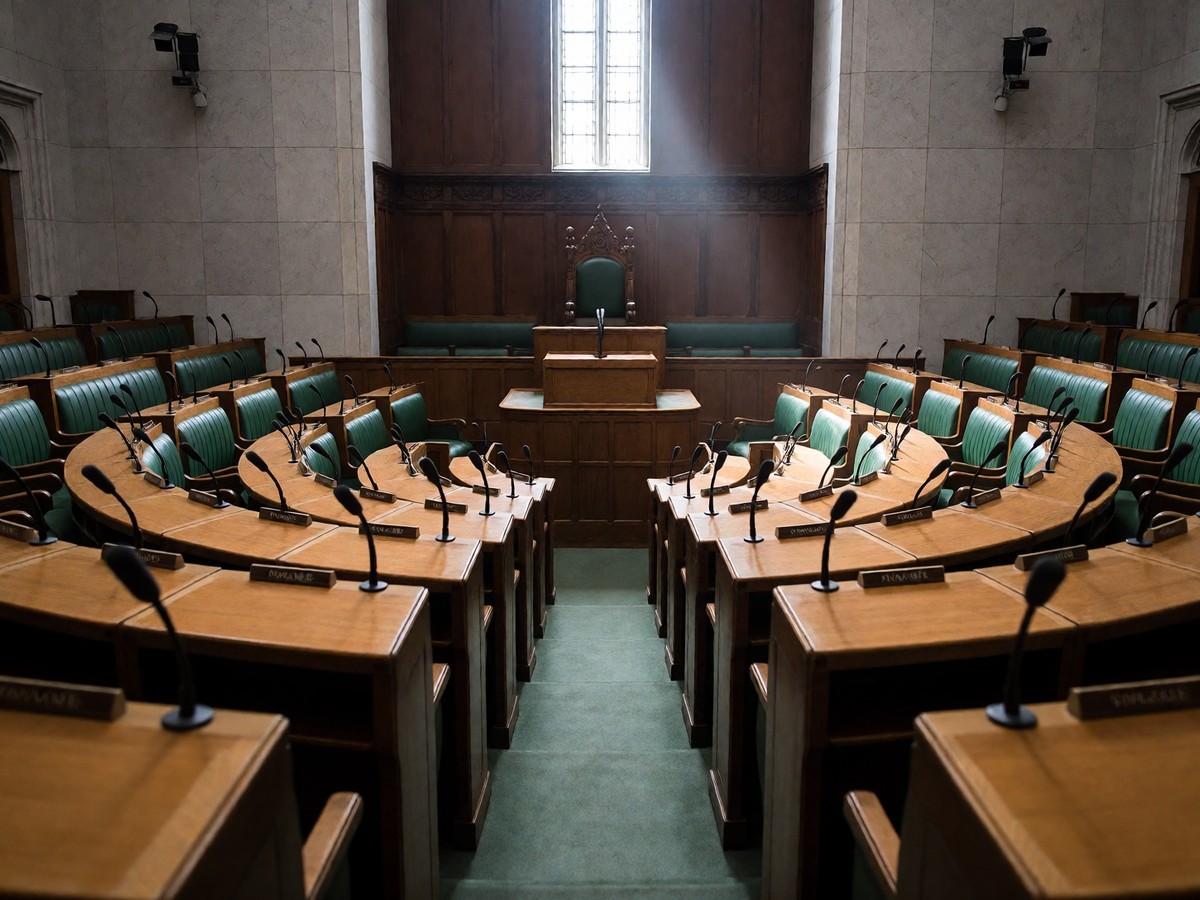
Israel’s new Knesset is sworn in on Tuesday, giving opposition politicians their first chance to seize control of the legislature’s agenda. The role is currently held by Amir Ohana, a close ally of Benjamin Netanyahu who wields immense influence over legislative proceedings. Gadi Eisenkot, the former military chief who received the presidential mandate to form a coalition government at the weekend, may take the speaker role himself according to Israeli media reports. If he does not accept the position, opposition parties have agreed that a nominee from his Yashar party will step in instead. This maneuver is significant enough that more than 160 top former security officials warned that rightwing activists are planning violent attacks to disrupt the ceremony.
The path to power
The opposition bloc holds 67 seats in the 120-seat legislature, which is sufficient to install a consensus choice for speaker and start moving against the prime minister. However, several Jewish-Israeli parties in the "change" bloc have sworn they will not sit with Palestinian-led parties or join a minority government backed by them. These Palestinian citizens make up about 20% of the population and won 19 seats after voting in unprecedented numbers this year. Without them, the opposition has fewer seats than Netanyahu’s diminished coalition, creating a structural impasse that Eisenkot must navigate. He has vowed to broker a national emergency government through "creative and unconventional political acts," but he effectively warned that some election promises would have to be broken to achieve this goal.
"No one will be able to fulfil all the [campaign] promises they made, and all of us will need to compromise. That is also leadership, to know when to decide and set priorities," Eisenkot said. Rightwing leader Avigdor Lieberman is simultaneously seeking an alternative path via an alliance with ultra-Orthodox parties who are frustrated by Netanyahu’s failure to pass broad military draft exemptions. Leading Haredi journalist Arye Erlich questioned whether Lieberman, described as the biggest persecutor of Haredim, suddenly believes he can compromise on conscription laws. Even if Eisenkot brokers a deal, he may delay announcing it until Ohana is replaced to prevent last-minute defectors from fracturing the fragile arrangement.
Sticking points and risks
Ohana could delay signing in a new government for up to a week, giving Netanyahu time to attack pressure points in any potential coalition. If Eisenkot fails to form a government, the mandate passes to other leaders, and Israel must hold elections again while Netanyahu remains as caretaker. A long period of limbo offers him a likelier path back to power than a unity government with his opponents. Gideon Rahat, chair in political science at Hebrew University, noted that once an alternative government establishes itself, even a minority one, it becomes hard to oust despite operational difficulties. The primary challenge remains the exclusion of Palestinian-led parties, which leaves the opposition bloc short of a majority without compromising on core ideological commitments.