Delayed implementation for traders
The UK and EU completed a deal to remove Brexit checks on imports and exports of food and animal products, including sausages, cheese, leather, and flowers. Implementation will not occur until the first quarter of 2028. A change in UK prime minister pushed the second EU-UK summit to 20 November, causing a six-month delay. I find this scheduling delay a massive disappointment for the businesses currently struggling with trade barriers. The National Farmers’ Union reported that British food exports to the EU had collapsed by a third since Brexit, with chicken, egg, and potato products being the worst hit. A 200-page "zero text" covers these post-Brexit food exports and remains settled with no further negotiation expected. This text will be presented to EU ambassadors on Wednesday to discuss the first version of a joint statement from Andy Burnham and EU leaders on 20 November. The "zero text" also contains chapters on a youth experience scheme that officials are still negotiating, alongside a proposal to decouple tuition fee talks for young Europeans from the broader deal to break a deadlock.
Rules and logistics
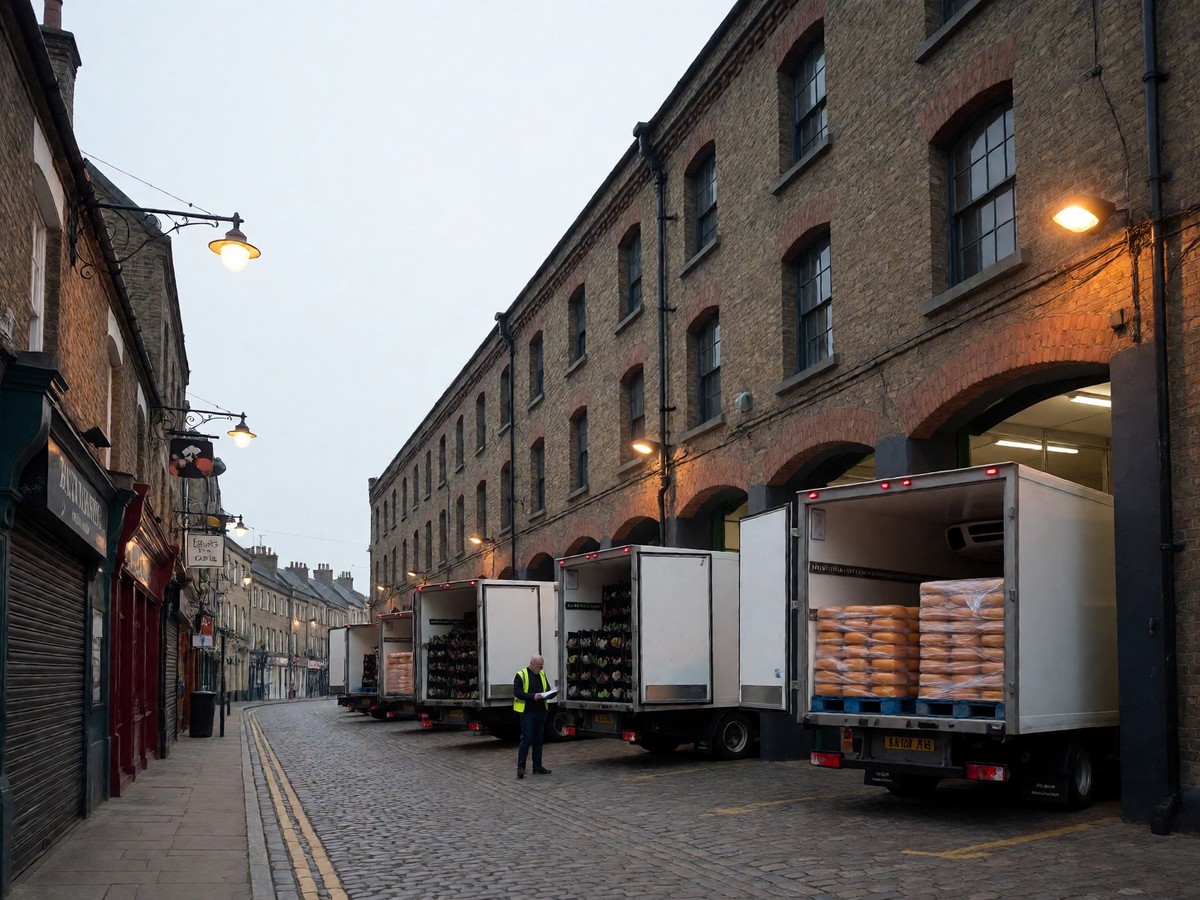
The delay exists because the UK must "dynamically align" British food standards legislation with the EU. This requirement will likely provoke debate over whether the UK acts as a "rule taker" rather than a "rule maker" in trade negotiations. Defra previously expected implementation in May next year. Fungicides used on grains this year may require a six-month transition period after the 2028 start. This deal helps small retailers return to buying small batches of wine and cheese, which became too expensive due to 2022 Brexit checks. Under this proposed framework, retailers in Northern Ireland will also no longer have to label products as "not for the EU", a process previously criticised by big supermarket chains such as Marks & Spencer. I find the situation for transport firms even worse, as one leader told the parliamentary trade select committee that Brexit paperwork had been "pure hell" after a truck sat in Calais for 27 days because it lacked certificates for a frozen beef cargo. Officials began talks in London earlier this year with the aim of removing much of the Brexit paperwork for both sides.