Debt and market fluctuations
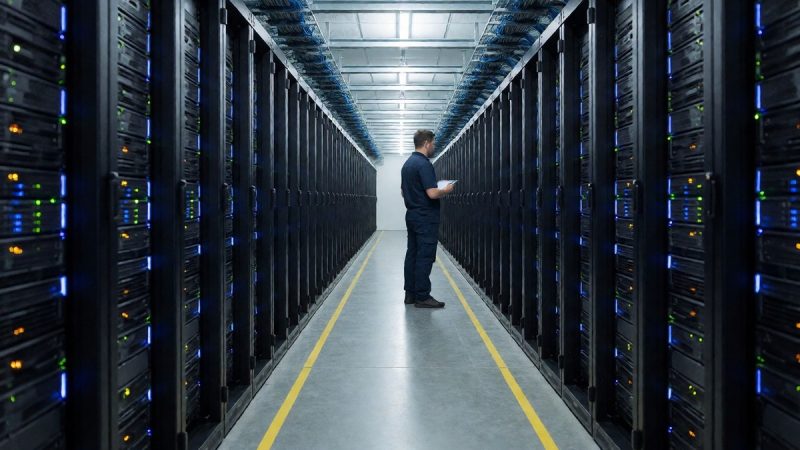
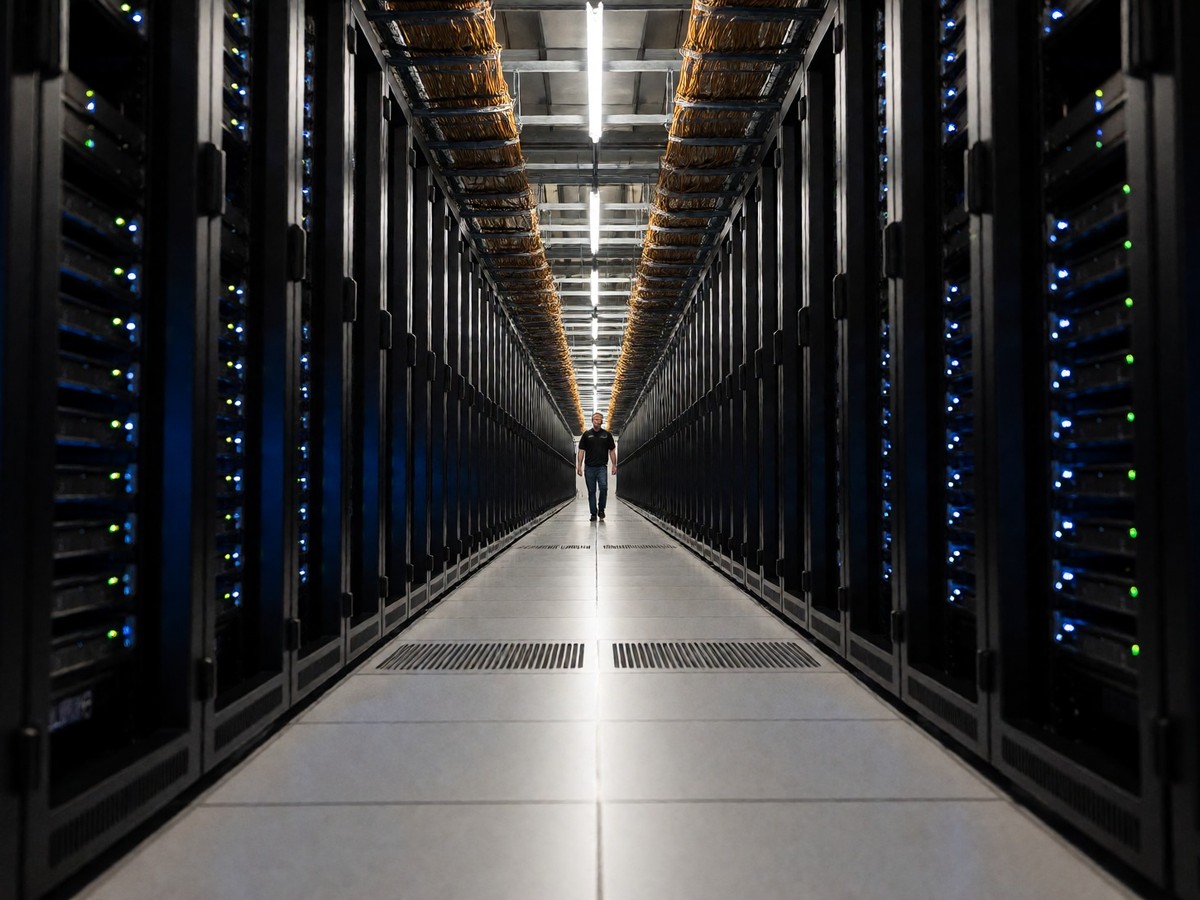
I see the current volatility in neocloud stocks as a warning sign of the financial fragility inherent in leasing expensive hardware to major AI developers. CoreWeave lost a quarter of its value over the last month. While many neocloud firms like IREN, Core Scientific, and Applied Digital began in the volatile crypto mining industry, their existing physical infrastructure left them well-positioned when the demand for AI computing power exploded following the release of ChatGPT in 2022. These firms, which lease computing power to companies like Anthropic, OpenAI, and Meta, often use long-term lease contracts and AI chips as collateral to secure debt. Cory Johnson of The Quiet Period says debt is common because companies must pay for hardware upfront, and he notes that CoreWeave accumulated $35.1bn in debt. I find it telling that lenders often consider the creditworthiness of giants like Microsoft or Meta more than the neoclouds themselves. CoreWeave CEO Mike Intrator says the market is acting "irrationally." He expresses confidence in the business model. Treasury Secretary Scott Bessent tried to downplay concerns on CNBC, calling neoclouds "a small component of the overall ecosystem."
| Company | Origin/Background | Notable Financial Detail |
|---|---|---|
| CoreWeave | 2017 Ethereum mining | $35.1bn in debt |
| Nebius | Formerly Yandex NV | Split from Russian Google in 2024 |
| IREN | Crypto mining | Shares fell ~25% recently |
| Applied Digital | Crypto mining | Shares fell ~25% recently |
Industry forecasts and specific failures
The stability of these firms depends on the spending habits of hyperscalers and the ability to keep borrowing as interest rates rise. Gartner analysts predict 80% of neocloud firms will "cease independent operations" by 2030, while Forrester experts expect at least three firms to be acquired imminently "as finances get shaky." I find the prediction from Elon Musk, who suggested more than 200 neoclouds could face "guppy-level death and consolidation," particularly grim. Microsoft recently cancelled a deal with the British outfit Nscale due to power supply issues that could last through 2030, and Australia’s Firmus shelved plans to sell shares to the public. Bradley Tusk of Tusk Ventures says if AI proves to be a bubble, neocloud firms "are definitely going to face collateral damage." Melissa Otto of S&P Global describes the environment as an "arms race" where enormous spending enters the system, but Charlie Dai, a VP at Forrester, notes the trade-off is "greater financial risk" if customers adjust spending. I find the recent downturn in neocloud stocks concerning, especially as Microsoft and Google forecasted less AI spending than Wall Street analysts projected. Much is also riding on Anthropic and OpenAI, which both expect to sell shares to the public in the months ahead. Yorkville Ives analysts say demand for computing power still exceeds supply.