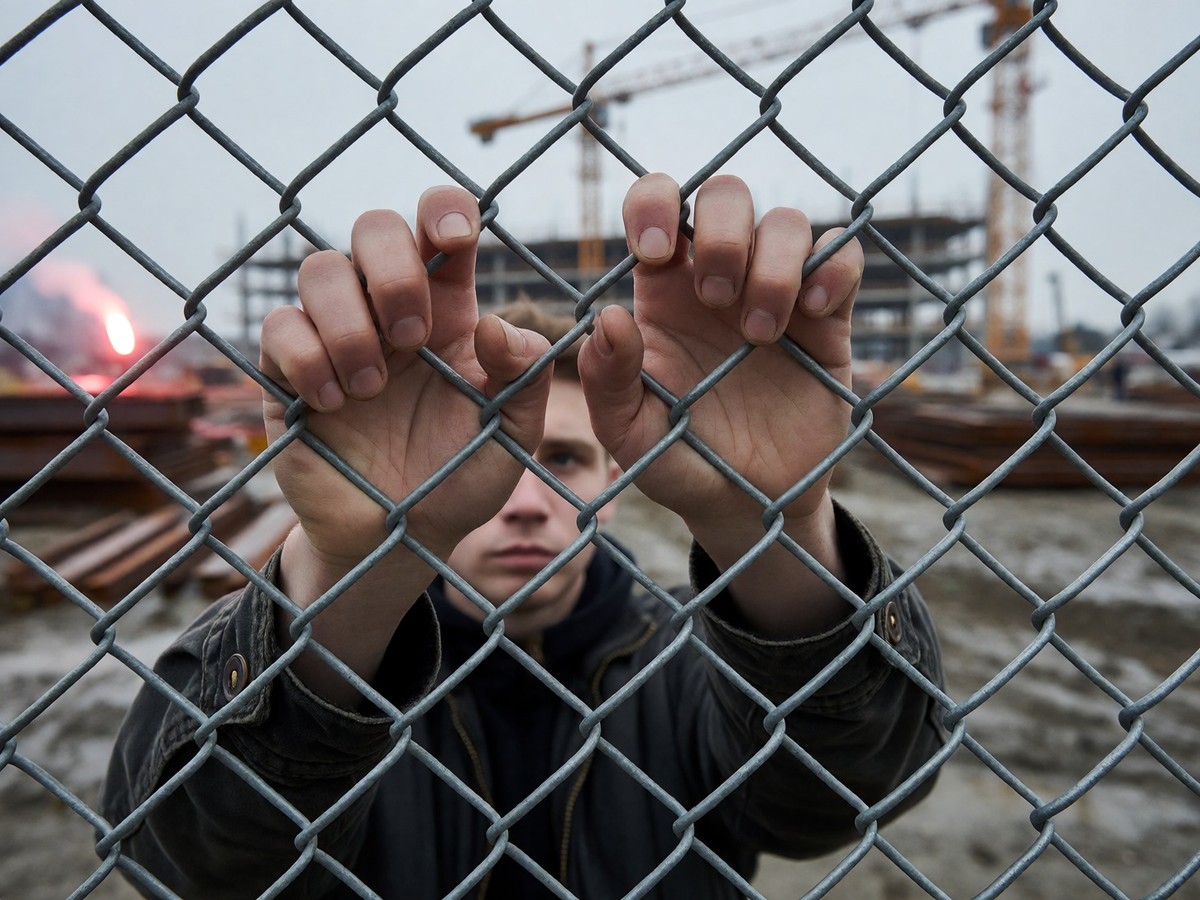
Clashes at Westpoort
Protesters from the Dutch direct action group Geef Tegengas broke into a Microsoft datacentre construction site in Westpoort, Amsterdam, clashing with police during the incident. Members of the group climbed a crane, lit flares, and tied helium balloons to equipment. Protesters hung banners at the site objecting to Microsoft’s services to the Israeli military and US Immigration and Customs Enforcement. Police told NOS they attempted to prevent the occupation and arrest protesters but used force when they were unable to stop them. One officer sustained slight injuries during the protest. Protesters from both Geef Tegengas and the Stop Dirty Data Centres coalition reported that police used teargas and force to dispel activists trying to enter the construction site. Organizers and local media reported hundreds of protesters gathered on each side of the perimeter fence. A spokesperson for Pure Data Centres, the site owner, said entering a live construction site was unlawful and dangerous.
Resistance to AI expansion
The break-in follows a two-day series of protests involving more than 100 groups across Europe demanding moratoria on new datacentre construction. While Stop Dirty Data Centres, which includes national branches of Greenpeace and Friends of the Earth, targeted the same Westpoort site, its members remained outside the fence. Campaign coordinator Owen Espley said big tech and government are racing ahead with large-scale datacentre development despite significant public concern about impacts on local communities, natural resources and other industries. Espley also noted many datacentre developments are planned with limited transparency or scrutiny while communities across Europe are being shut out of decisions. Stop Dirty Data Centres said it had not coordinated or promoted the direct action in the Netherlands, but it is understandable that communities turn to various tactics when they cannot meaningfully participate in decision-making. Roos Molenaar, an activist with Geef Tegengas, said the struggle against big tech is inseparable from the fight against oppression and fascism. Molenaar said the group will not accept the creation of AI slop and the facilitation of genocide in Amsterdam. This datacentre is gulping up drinking water to make the rich even richer, Molenaar added.
Small protests occurred in Bristol, Berlin, Warsaw, and Zagreb. These actions coincide with US midterm elections this week, as nearly every proposed moratorium on datacentres on the ballot was approved. An investigation by the Guardian and Investigate Europe found evidence of dangerous conditions for some workers building these sites. This confrontation in Amsterdam proves that the rapid growth of AI infrastructure is driving intense physical conflicts between activists and the state. A spokesperson for Microsoft said the company is aware of the demonstration and respects the right to express views peacefully, but the company does not condone unlawful actions that put people’s safety at risk. Pure Data Centres spokesperson added they respectfully ask those on site to leave safely and engage in dialogue about the development and any concerns they may have.