The Nvidia loop and massive debt
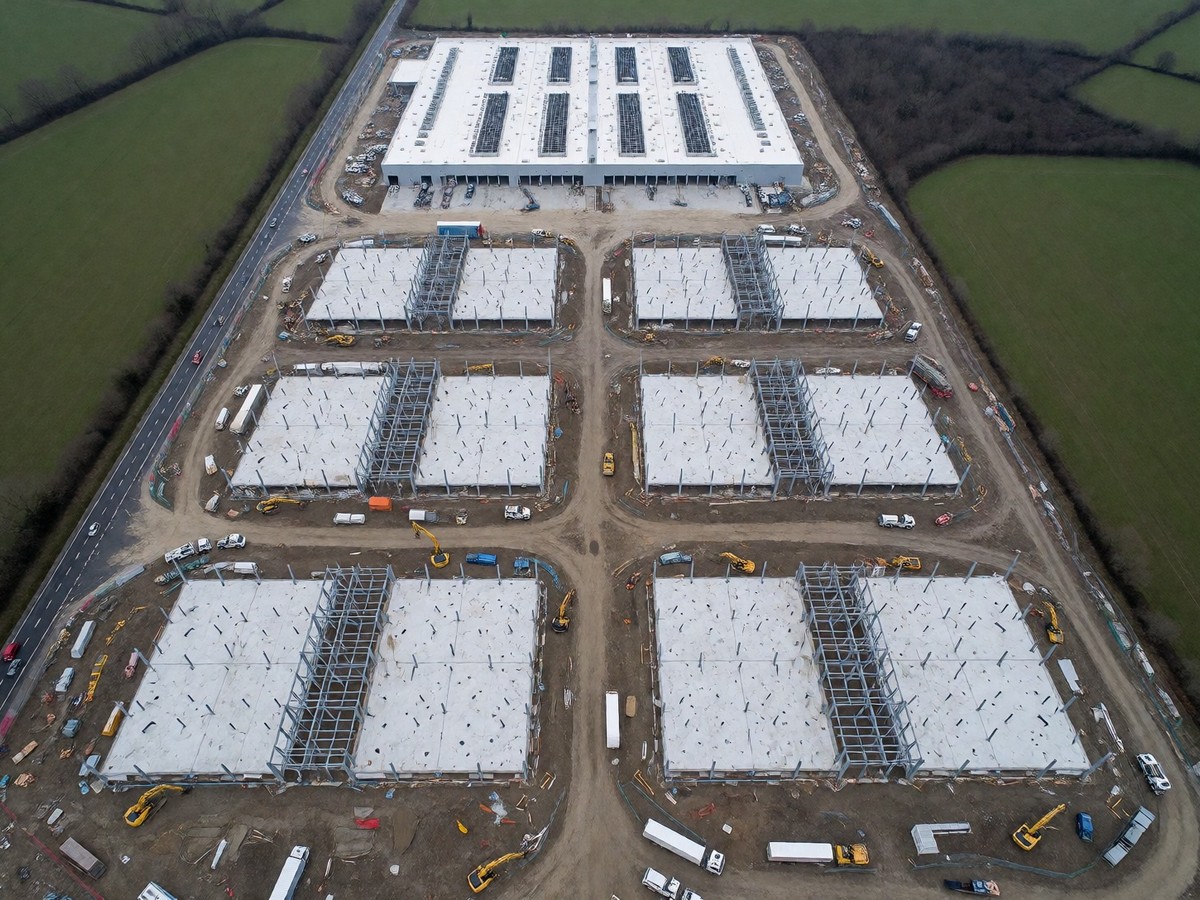
CoreWeave owes $47bn, and $10bn of this debt is due next year, after the company reported a $709m loss on $3.6bn in revenue last quarter. This debt load exposes the wobbly structure of the AI economy, as the company relies on circular financial arrangements involving Nvidia. Nvidia owns 11% of CoreWeave and holds a $6.3bn deal to buy "compute" that CoreWeave cannot sell. Because Nvidia also invests in CoreWeave’s clients, such as OpenAI and Anthropic, CoreWeave acts as a vehicle for Nvidia to inflate its balance sheet while providing infrastructure for frontier AI companies. The company’s exposure increased after Nvidia CEO Jensen Huang left the company following an affair with an alleged Chinese spy. In the autumn, creditors estimated the risk of default is over 60% at some point over the next five years. Its 52 datacentres are still under construction. A spokesperson for CoreWeave said customers are signing multiyear commitments for earlier-generation GPUs extending beyond their depreciable lives, "with pricing above their original contracts."
Collateral and depreciation risks
CoreWeave uses its Nvidia computer chips as collateral to secure nearly $25bn in loans. It also issues unsecured senior notes, which lack specific assets for creditors to repossess if the company fails to pay. CoreWeave borrows nearly $25bn by showing banks and private credit agencies that it has the goods, specifically specialized computer chips, and that it has people paying money to use them through customer contracts. Short-sellers worry that the collateral backing these loans will plummet in value faster than CoreWeave’s suggested six-year depreciation timeline.
| Debt Type | Amount/Detail |
|---|---|
| Total debt | $47bn |
| Debt due next year | $10bn |
| GPU-backed debt | Nearly $25bn |
| Interest expense next quarter | Over $1bn |
In a US Securities and Exchange Commission filing this summer, CoreWeave listed 18 different varieties of debt totaling roughly $35bn. The company manages growth using a strategy that uses diverse debt types to lower its weighted average cost of debt. While the company paid 15% interest on its first GPU-backed loan in 2024, some subsequent loans have dropped to 9%. In March, the company successfully managed to class $8.5bn of its debt as "investment grade" to sell to institutional investors, including insurance companies and pension funds. This strategy remains risky because CoreWeave pays interest whether or not a datacentre comes online on time. Brian Hopkins of Forrester says that CoreWeave’s debt payments over the next three years are already equivalent to two years of income.
Revenue and customer solvency
The company is bleeding hundreds of millions of dollars each quarter to pay interest. Brian Hopkins of Forrester says that roughly two-thirds of the cash the business generated last quarter was from customers paying in advance, not profit from services already delivered. CoreWeave must find new customers to maintain its $3.4bn quarterly revenue as existing contracts are fulfilled. The company grew to 1.7GW of active capacity in the last quarter, but it faces hurdles in maintaining its revenue stream. The company’s stability depends on the solvency of loss-making clients like OpenAI, Anthropic, and nearly a dozen others, which currently pay for compute by borrowing money or receiving investment from Nvidia. If Nvidia pulls back from its role as the central bank of AI, these clients may struggle to pay for the chips they rent. Because CoreWeave accepts large sums upfront for multiyear contracts, its annual revenues reflect years of future income for services it has yet to carry out. A spokesperson for CoreWeave said demand for its AI cloud platform is backed by $132.5bn in contractual commitments from the world’s leading AI labs and enterprises.