Regional resistance to car subsidies
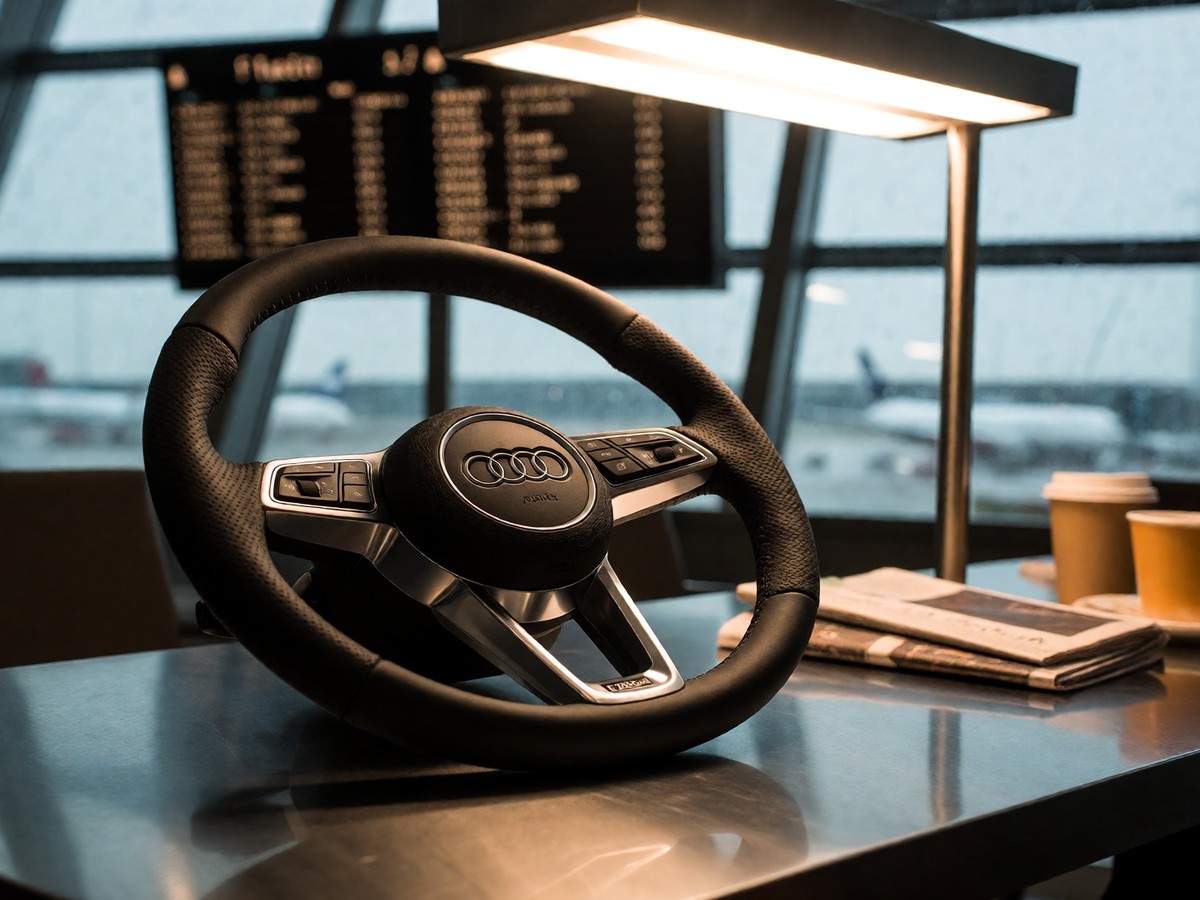
German Chancellor Friedrich Merz expressed surprise at the intensity of pushback from East Asian countries regarding a "Made in Europe" plan for the bloc’s car industry. Merz and French President Emmanuel Macron agreed to this proposal, which would see Brussels restrict car subsidies to vehicles produced inside the EU, Switzerland, or the United Kingdom. South Korean President Lee Jae Myung told reporters he asked Merz for support so that Korea receives treatment like EU member states, following similar complaints in Japan. Japan and Singapore also voiced concern that the bloc may face a "new wave of protectionism" because the plan might close Europe off from other countries. Merz finished a five-day tour of East Asian countries on Friday evening and told reporters that the regional concern sparked by the Franco-German proposal "surprised me a bit, given the intensity with which it was presented." Merz admitted the proposal sparked "considerable concern in the region, in Singapore, Japan, and Korea, that we may be facing a new wave of protectionism in Europe, that we are closing ourselves off from other countries."
| Policy Detail | Details |
|---|---|
| Made in Europe Plan | Restricts subsidies to vehicles produced in EU, Switzerland, or UK |
| Proposed Alliance | Coordination among EU, Asian nations, Canada, Australia, NZ, and Mercosur |
Pressure on the middle power alliance
Automotive disagreements create friction that could hamper the "global political alliance for rules-based trade" Merz proposed in Seoul and Tokyo. This proposed alliance includes middle powers such as the EU, various Asian nations, Canada, Australia, New Zealand, and the South American Mercosur trade bloc. These nations would coordinate and act together if other countries challenge international rules or exert economic pressure, such as Chinese threats to restrict access to rare earth metals or tariff threats from U.S. President Donald Trump. The alliance aims to provide stability among these nations when facing external economic pressures. The pushback from South Korea and Japan reminds the group that industry-specific frictions can hamper the implementation of the much larger alliance proposed by Merz. Merz promised to take the regional complaints "very seriously" and will raise them at the EU leaders’ informal gathering in Dublin on Nov. 13.