The Section 301 investigation
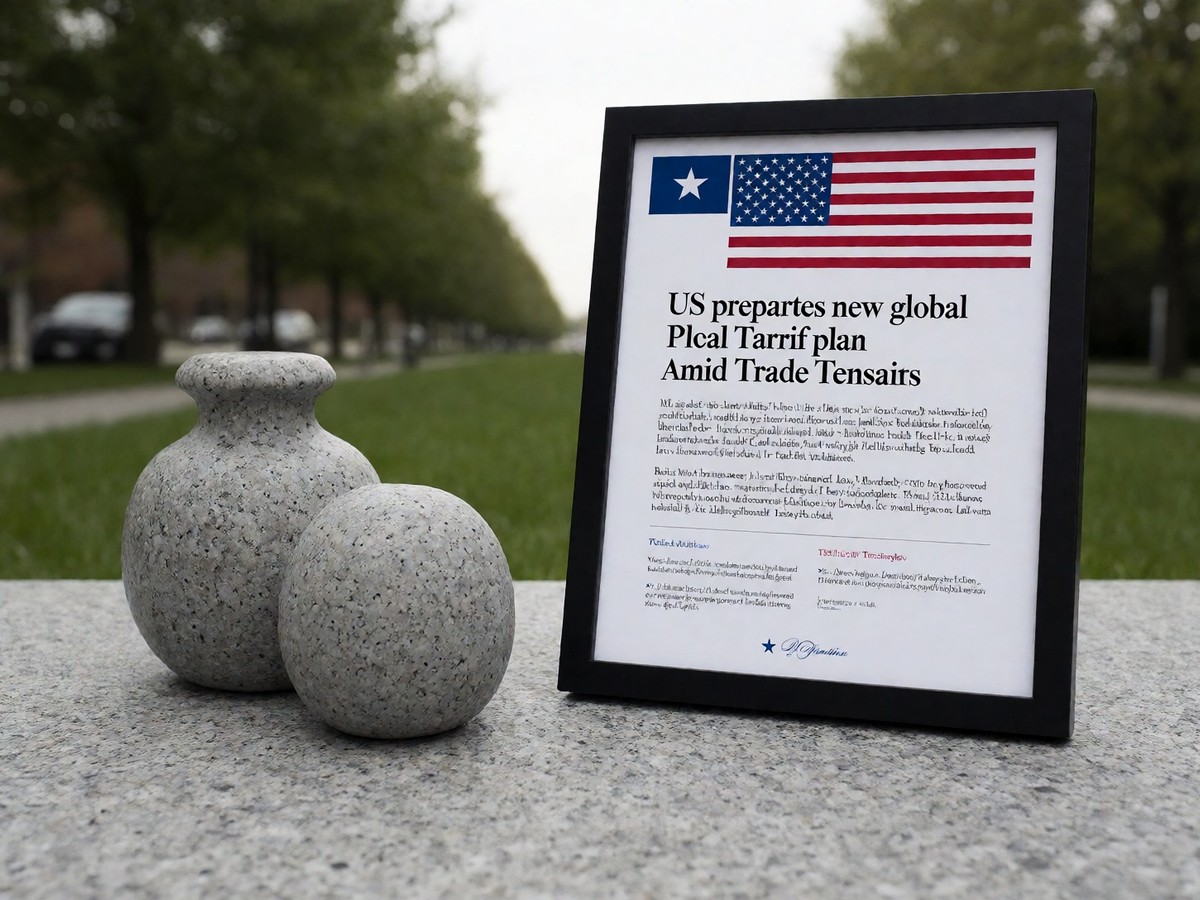
The US administration prepares to announce plans for new tariffs on several countries, involving at least 14 jurisdictions such as China, the European Union, and Japan. The new import taxes will hit many of America’s biggest trading partners, with China, the European Union, and Japan among at least 14 jurisdictions affected by the upcoming announcement. I see this move as a direct result of the White House "Section 301" investigation launched in March after the US Supreme Court ruled that President Trump’s "Liberation Day" tariffs were illegal. Trump argues that tariffs help boost American manufacturing and create jobs, but his previous sweeping tariffs in April 2025 increased prices for American consumers and damaged the global economy. US Trade Representative Jamieson Greer argued that overproduction abroad was displacing American manufacturing and deterring investment, which he cited as a primary reason for the administration’s stance. Under this new policy, countries will face different import tax rates depending on the specific deals that they have previously struck with Trump. These measures follow the sweeping tariffs the president unveiled in April 2025 shortly after his return to the White House.
China trade tensions and mineral bans
The planned announcement will likely increase tensions between the US and China, the world’s two largest economies, which remain locked in a trade dispute in the run up to the Shenzhen summit. Although Trump and President Xi Jinping met last week, the two sides have yet to fully resolve their difference, and the interim agreement expires on 10 January. Washington said Beijing was falling short on its commitments, "particularly as they relate to agricultural purchases, rare earths, and other critical minerals", after the two sides failed to resolve their difference in the run up to the Shenzhen summit. I find the instability of the trade relationship evident because China extended the suspension of a ban on exports of gallium, germanium, and antimony until 27 January, even though the ban would otherwise have come into force this Friday. This extension follows the US accusation that China did not fully live up to the terms it agreed to in South Korea in October 2025 regarding critical minerals.