Legal authority and the sovereignty dispute
The International Tribunal for the Law of the Sea rejected Argentina’s request to halt the Sea Lion oil project near the Falkland Islands. The court in Hamburg voted 18-3 to dismiss the bid from the government of Javier Milei. Judges decided the tribunal lacks the power to rule on questions of sovereignty. The ruling stated that a controversy requiring the resolution of a sovereignty question cannot be considered a dispute regarding the interpretation or application of the Law of the Sea convention. The ruling is a failure for Argentina’s attempt to use international marine law to block development in disputed waters. The UK responded that there was no territorial dispute and that pausing the project could have huge economic consequences for the islands’ local population and companies connected with the oil venture. Foreign Secretary Ed Miliband and Attorney General Ellie Reeves urged Argentina to end its wider economic pressure against the territory, as Argentina argued that nothing should change the status of the islands, including the building of oil wells, because of the territorial dispute. The tribunal’s decision ultimately rested on its own powers, as the judges determined that a territorial issue fell outside the jurisdiction of the Law of the Sea court.
Sea Lion project details and historical context
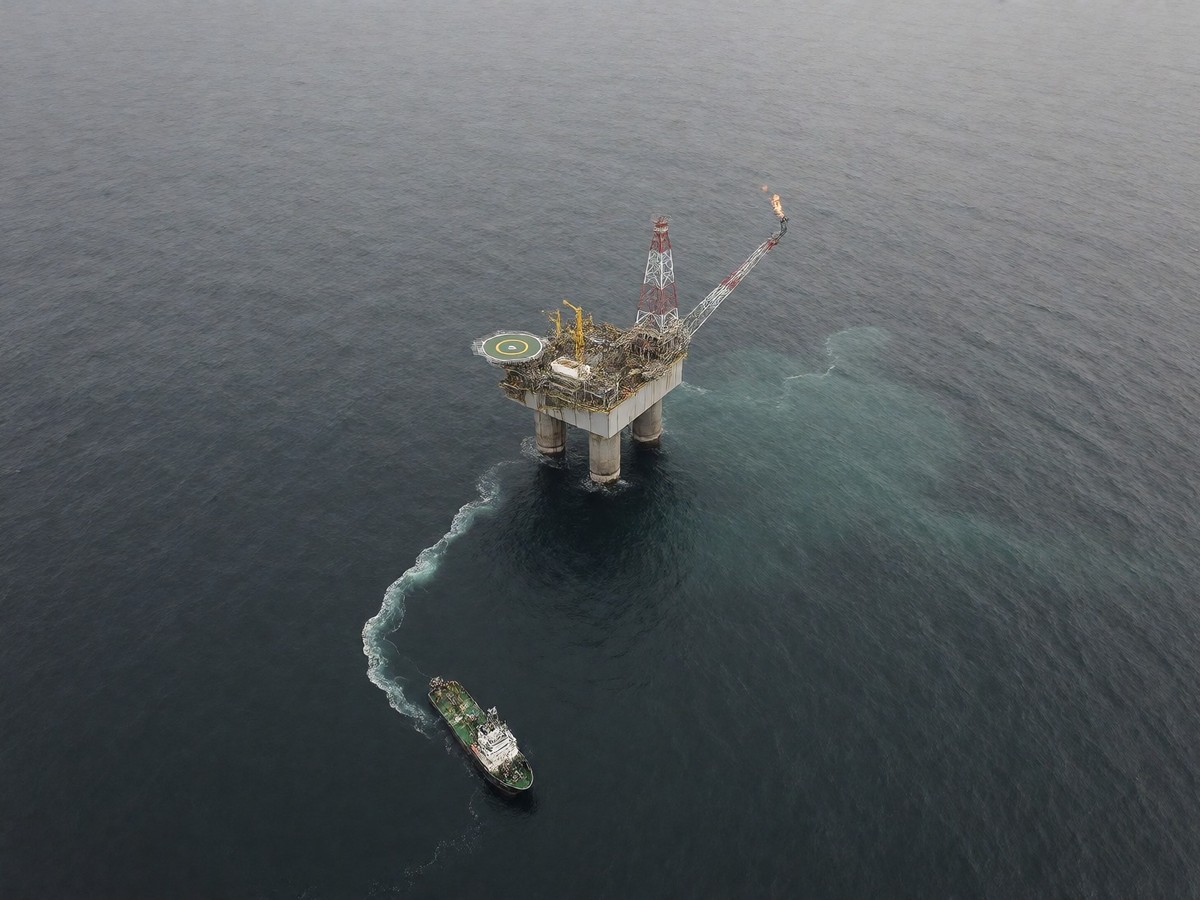
The Sea Lion oilfield sits approximately 130 miles (209 km) from the Falkland Islands and holds an estimated 1.7 billion barrels of oil. Two companies, Britain’s Rockhopper Exploration and Israel’s Navitas Petroleum, intend to begin extracting oil within two years. This revenue could support the 3,500 inhabitants of the islands.
| Project Specification | Value |
|---|---|
| Estimated oil reserves | 1.7 billion barrels |
| Distance from islands | 130 miles (209 km) |
| Involved companies | Rockhopper Exploration, Navitas Petroleum |
| Extraction timeline | Within two years |
| Island population | Approximately 3,500 |
The 2013 referendum saw island residents vote 99.8% in favour of remaining a British overseas territory, while only three people voted against. This political status follows a 1982 conflict where Argentine forces landed to stake a territorial claim, leading to a 74-day war. A British military task force eventually ejected the Argentine forces to end the conflict. The conflict killed three islanders, 255 British military personnel, and 649 Argentine military personnel. The current drilling project remains a point of contention because Argentina maintains that the marine environment in these disputed maritime areas requires protection under international law, a claim the Argentinian government has asserted throughout the dispute.