The King’s address to the summit
King Charles spoke in Antigua and Barbuda on Tuesday, calling the transatlantic trade in enslaved persons a "shameful chapter of history" that "fills my heart with horror and my soul with the most profound personal sorrow." The transatlantic trade in enslaved persons still casts a shadow over these islands and other members of our Commonwealth, a shameful chapter of history that fills my heart with horror and my soul with the most profound personal sorrow. The King told the 56-member bloc that his commitment to addressing past wrongs grew as he furthered his understanding through listening, learning, and looking at the history of the islands. While he expressed a desire to build modern partnerships, he stopped short of an apology or explicit support for reparations. I find the King’s failure to move beyond emotional expression to specific action regarding reparations deeply disappointing. Palace aides indicated there would be "no surprises" in the speech for the UK government. This visit follows the King and Queen’s tour of the Caribbean, which included a speech in the Bahamas about the "suffering of the past" and a visit to a site of a slave rebellion in Guyana.
UK government response and Caribbean demands
Prime Minister Andy Burnham told reporters he does not support reparations but remains open to a formal apology for slavery. He stated that his government supports countries in the Commonwealth with development, debt issues, and green finance. Burnham noted that trade between the UK and the rest of the Commonwealth increased significantly over the last year. Prime Minister Andy Burnham discussed how Britain might offer a structured dialogue for communities impacted by the transatlantic slave trade during a meeting with Barbados Prime Minister Mia Mottley on Monday to address the next steps. He also proposed discussions on debt resets for smaller nations and announced £40m ($54m) for critical infrastructure in the Caribbean over the next three years. Antigua and Barbuda Prime Minister Gaston Browne said during the meeting in St John’s that "fairness" requires "honest engagement with our shared history." He called for meaningful and respectful dialogue on reparatory justice.
Philip Pierre, the chair of the Caribbean Community, said an apology provides an "essential first step" but argued that "an apology without repair is incomplete." He wants dialogue to cover Caricom’s 10-point plan, which includes:
- Public health
- Education
- Cultural restitution
- Psychological rehabilitation
- Debt cancellation
- Monetary compensation
The Chogm meeting gathers leaders from 56 states every two years to discuss themes like trade, climate resilience, and democracy. The official theme for this year’s gathering is Accelerating Partnerships and Investment for a Prosperous Commonwealth.
Protests and calls for responsibility
Protesters gathered outside the heavily secured summit venue to voice their anger. Lenworth Johnson said that if the King’s constitutional position prevents him from apologizing, the British government should authorize him to do so. Radcliffe Robins told onlookers that the wealth enjoyed by Britain and other western powers built on enslavement makes an apology and reparations necessary. Dorbrene O’Marde, chair of the Antigua and Barbuda Reparations Support Commission, said King Charles III "does nothing" to accept responsibility. He argued that the King’s emotional expression lacks the acceptance of responsibility required for genuine moral consciousness.
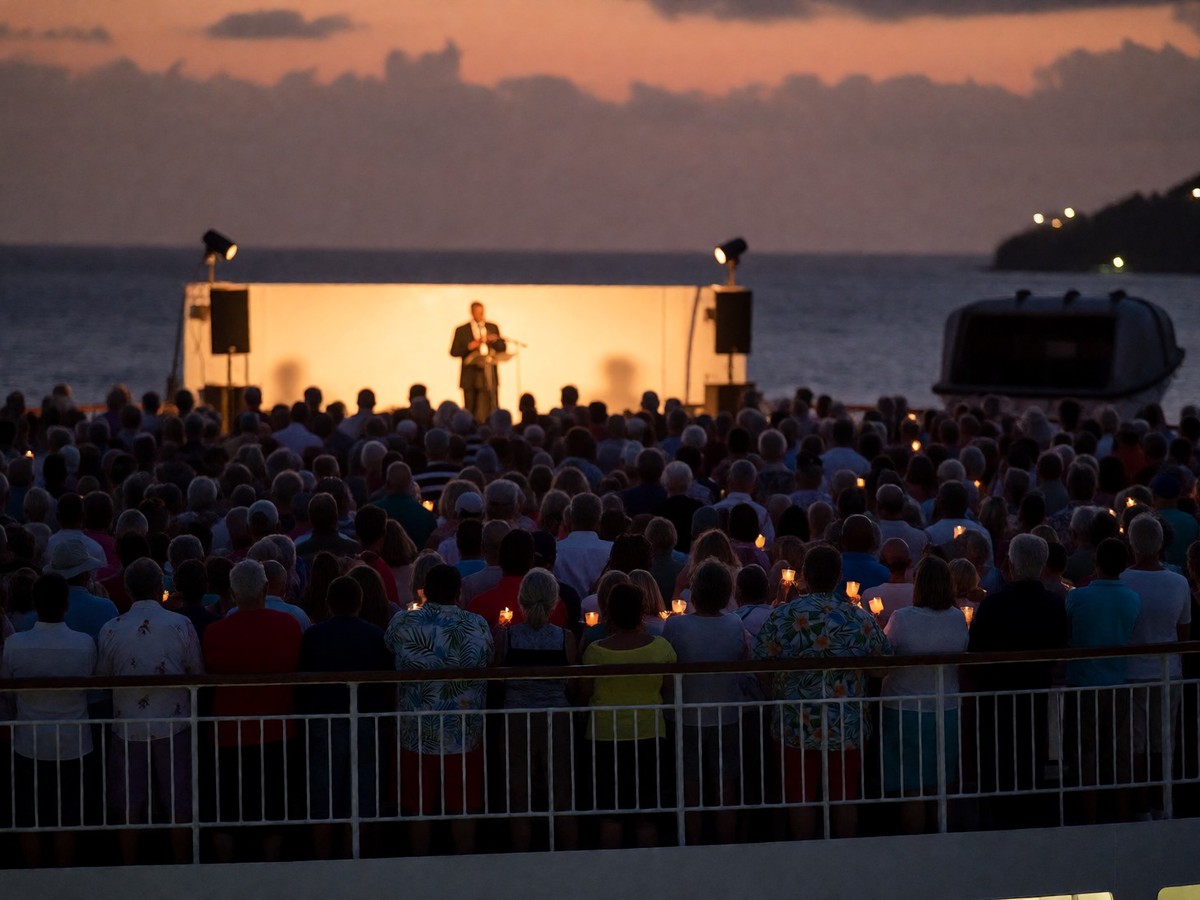
Bell Ribeiro-Addy, who chairs an all-party parliamentary group for Afrikan Reparations, warned that aid is not reparations because aid leaves the power with the giver. She said agency must be the remedy. Ralph Gonsalves, a former prime minister of St Vincent and the Grenadines, expressed disappointment that the King’s speech did not go further. He noted that the King’s comments on health and education involve subjects already covered in UN sustainable development goals. A candlelight vigil on an Antiguan beach also commemorated enslaved Africans. The Rev Bonnie Smith, president of the Antigua Christian Council, asked those gathered to remember people torn from their homes and forced across the Atlantic into enslavement.