Turnout figures and historical comparisons
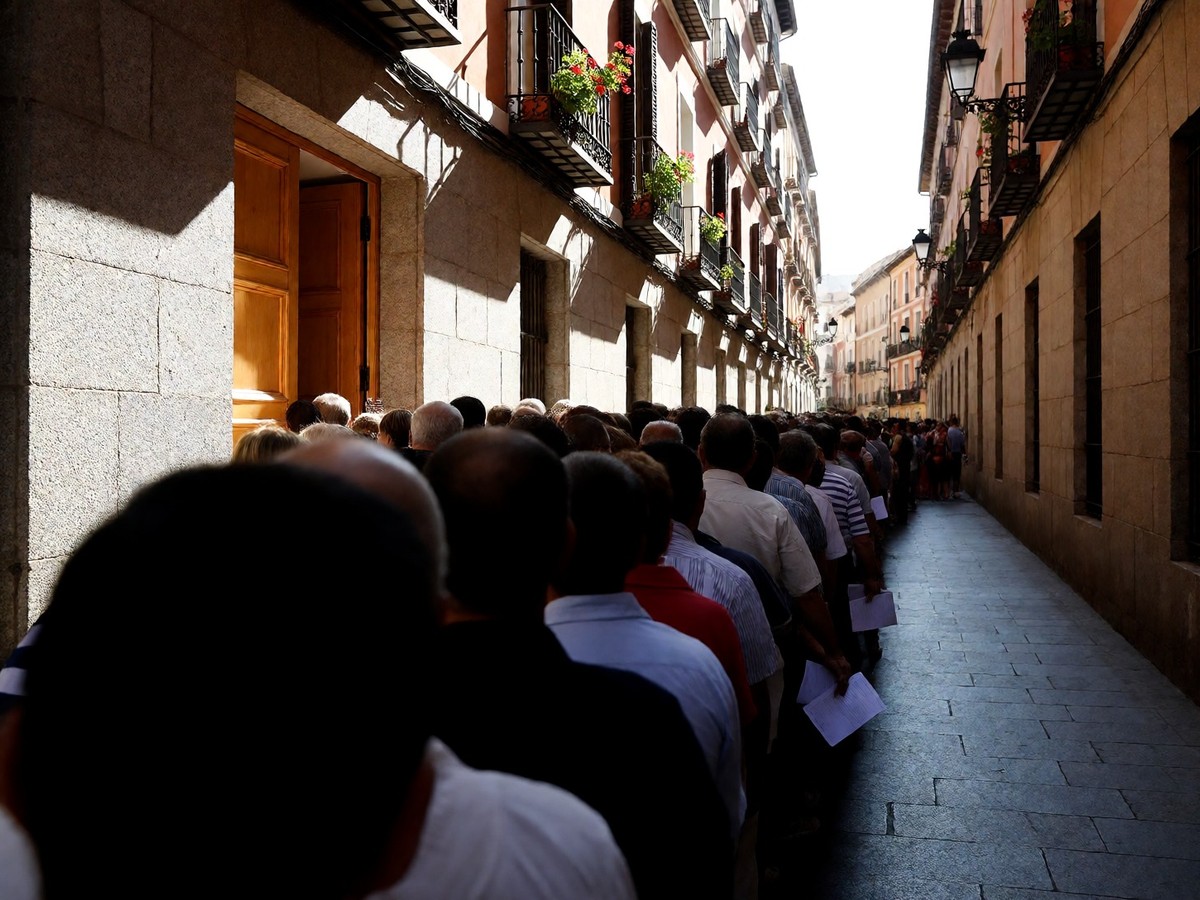
Spain’s Interior Ministry reported that 45.7% of registered voters cast ballots by 2 p.m. on Sunday. This figure marks the highest turnout at that point in a general election since the restoration of democracy. The 45.7% turnout recorded on Sunday is higher than the 40.48% recorded at the same point in the 2023 election and surpasses the 42% record set by Felipe Gonzalez during his landslide re-election as prime minister in 1993. Almost 39 million Spaniards are eligible to vote in an election that could shift the country’s politics sharply to the right and end Socialist Prime Minister Pedro Sanchez’s eight years in power.
| Election timing at 2 p.m. | Turnout Percentage |
|---|---|
| Sunday (Current) | 45.7% |
| 2023 Election | 40.48% |
| 1993 Election | 42% |
The average turnout across Spain’s 16 general elections since 1977 is 71.8%. This turnout reached a peak of 80.2% in 1982 when the Socialist Party first came to power, but the figure fell to 66.23% in the repeat election held in November 2019.
Political shifts and party coalitions
Sociologists generally describe Spain as a left-leaning country. Sanchez’s camp argued that high turnout would benefit the Socialists and improve their chances of securing a left-wing majority. Such an outcome would defy most polls, which projected Alberto Nunez Feijoo’s center-right People’s Party will finish first but fall short of a parliamentary majority.
The PP would likely need the support of Santiago Abascal’s far-right Vox party to govern. This alliance would bring an ultranationalist party into national government for the first time since the end of Francisco Franco’s dictatorship, marking a historic shift in Spanish politics. The election remains a contest that could end the eight years in power held by the Socialist Party.