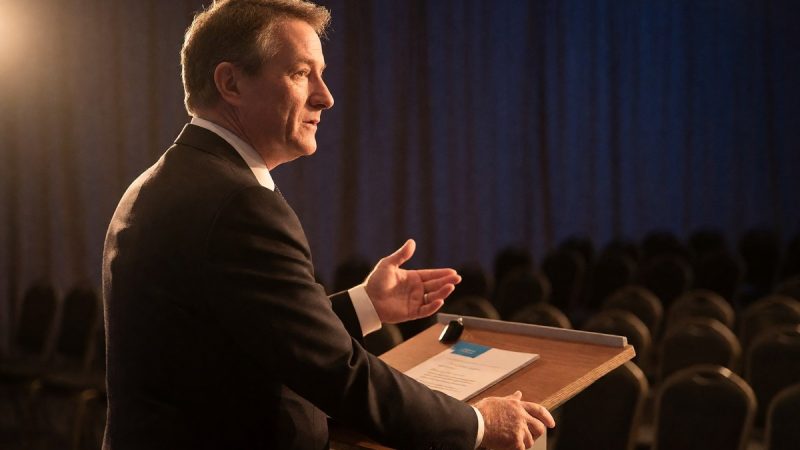
Netanyahu pivots to Eisenkot
Netanyahu’s 53 seats from the October election leave him short of the 61 needed for a majority in the 120-seat Knesset. I see this deadlock as the reason for his sudden outreach to opposition leader Gadi Eisenkot, whose bloc of four parties won 48 seats. To break this stalemate, Netanyahu proposed a national unity government on Saturday that includes a rotating premiership. He stated in an X post that "my responsibility as a leader obligates me to put everything aside, including the principle of the largest party" to resolve the current political tension. He agreed that Eisenkot will serve "first as prime minister, while I will serve as alternate prime minister at the beginning of the term". This unexpected offer follows Friday’s accusation from Eisenkot that the Likud party is stalling coalition talks in a desperate bid to bring about new elections. Because Netanyahu’s bloc won 53 seats and Eisenkot’s bloc won 48, neither leader can govern without the other.
Eisenkot faces a difficult path
Eisenkot responded to the proposal by inviting Netanyahu to "genuine and accelerated negotiations". Eisenkot faces a 6 December deadline to form an administration because President Isaac Herzog tasked him with forming a government within 28 days after consulting all parties during the week following the 27 October election. Although he has already agreed to coalition deals with two parties, I find his progress towards a majority to be a complete mess. He faces intense opposition to working with Arab parties and continues to struggle with reaching a deal with ultra-Orthodox parties. These obstacles have hampered his efforts to build a coalition to oust Netanyahu, making his goal much harder to reach. I find his current coalition-building efforts to be frustratingly slow. He needs to secure more seats to reach 61, but the political math remains difficult. I find the prospect of a rotating premiership to be an unusual way to solve such a deep political division. To reach the 61-seat requirement, Eisenkot must navigate these conflicting interests, especially since the current deadlock leaves him with only one week before the 6 December deadline elapses. He must work quickly to find enough allies to prevent the expiration of his mandate.