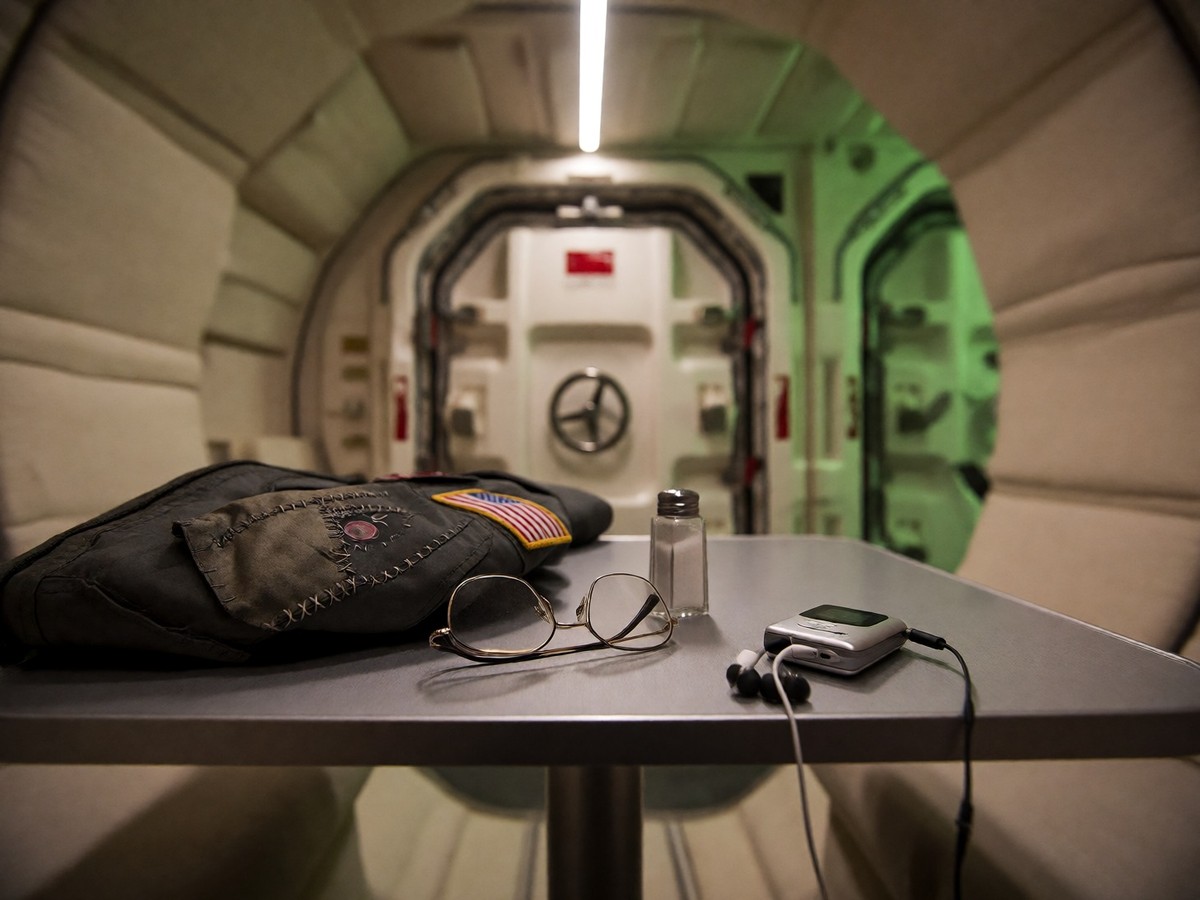
Four astronauts spent 378 days in a 1,700-square-foot, 3D-printed habitat at NASA’s Johnson Space Center in Houston. This second CHAPEA mission concluded on October 31, with the crew emerging to meet director Vanessa Wyche. The exercise prepares humans for future Red Planet trips by simulating isolation and equipment failure. They lived in four bedrooms, a dining area, a workspace with a vertical farm, and a medical room.
Daily Life and Soundscapes
Commander Ross Elder described the environment as "eerily quiet," noting that only fans and machinery made noise. He missed the sound of weather and busy streets so much that he listened to music constantly to fill the silence. Flight engineer James Spicer reported that every sip of water and shake of the salt shaker was logged for NASA to track performance impacts. The crew managed daily tasks like growing crops, conducting science experiments, and preparing meals. They also performed simulated space walks and dealt with a two-week loss of communication. Spicer used a drain snake to clear plumbing issues and a metal detector for other problems. He even broke out a needle and thread to sew up a large hole in his flight suit.
Musical Downtime and Reunion
The team brought instruments along and practiced during their downtime. Elder explained that they were limited on instrument selection and still looking for the right set list. They found a few things that sounded decent, which he called a start. The crew recorded a podcast throughout the year, discussing these surprises in their final episode. Now reunited with friends and family after a year of email-only contact, they reflect on the lessons learned. Wyche praised how the team coped with the conditions. She stated that the experience will help pave the way for missions first to the Moon and one day to Mars. The isolation proved challenging but necessary for testing human endurance in extreme environments.