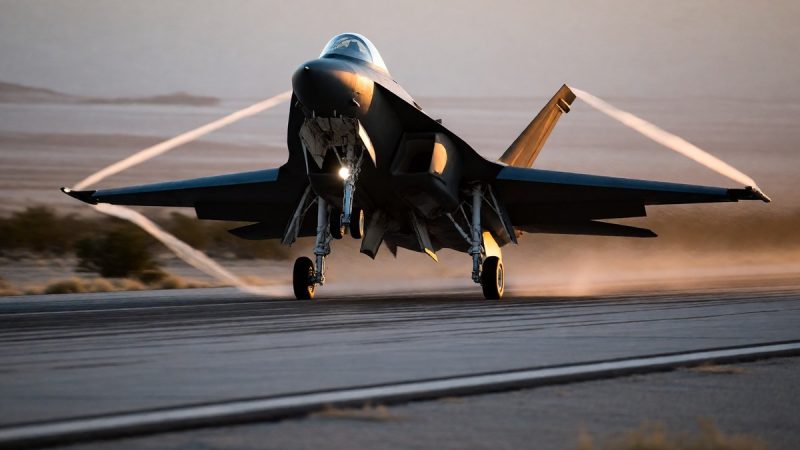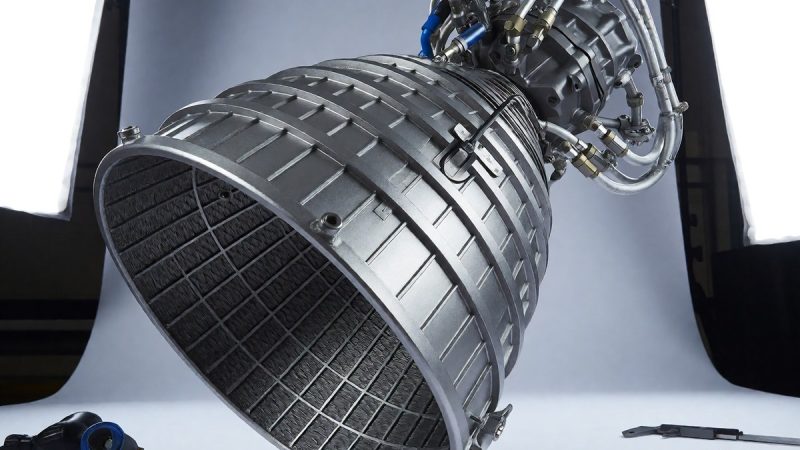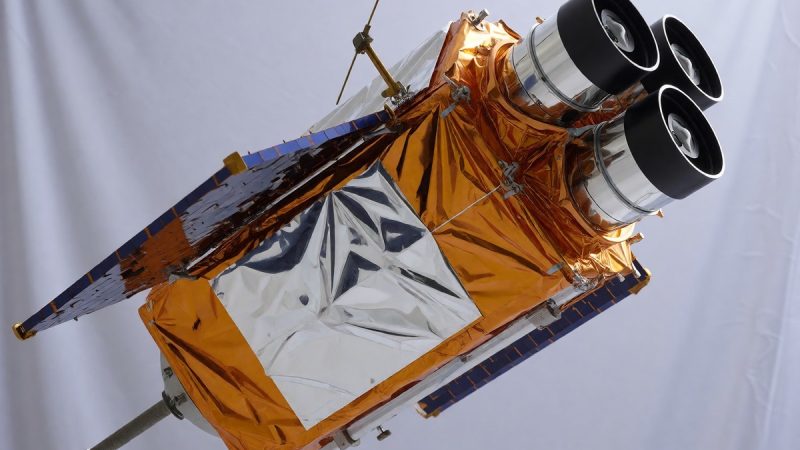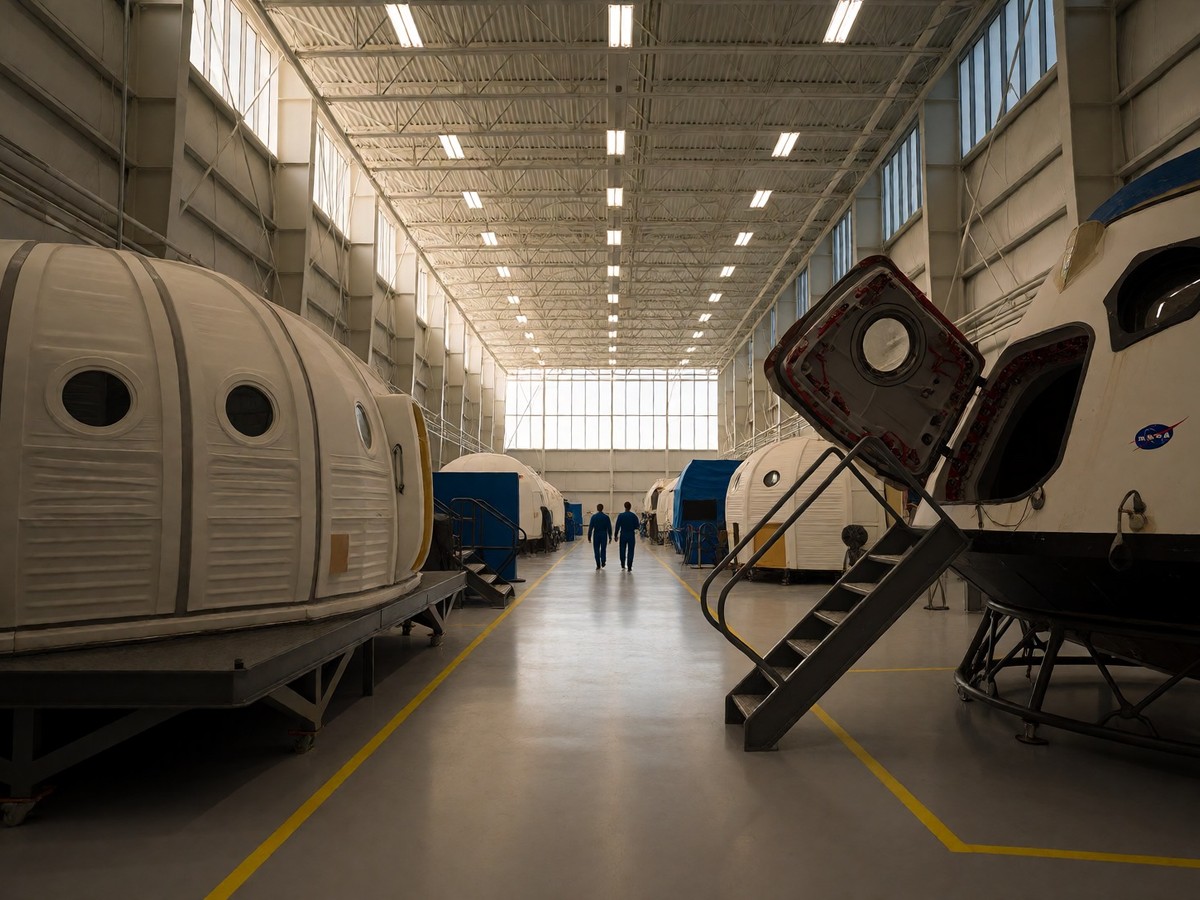
NASA launched a callout for a new generation of astronauts on Saturday during a Kennedy Space Center air show, seeking explorers who could live and work on the moon. The agency announced that successful candidates would help "shape humanity’s future in space" while it builds a lunar base and plans the first crewed missions to Mars. Administrator Jared Isaacman stated that this is an extraordinary time to join the corps because selected individuals may walk on the Moon and pioneer systems that carry crews to Mars. The announcement coincides with recent ambitions to return Americans to the moon in 2028, with both SpaceX and Blue Origin intending to support a crewed landing.
Selection criteria and timeline
Applicants have until 11.59pm ET on Thursday, 3 December, to submit their applications for the latest expansion of the Artemis program. NASA expects to make its final selection in late 2027 to begin training the next class of astronaut candidates. The agency last opened applications in 2024, ultimately accepting 10 new astronauts out of more than 8,000 applicants in September 2025. Since the 1960s, NASA has selected 370 people to train as astronaut candidates for increasingly challenging missions, and the agency currently has 32 astronauts active in the astronaut corps. Scott Tingle, chief astronaut and chair of the Astronaut Selection Board at Johnson Space Center, said becoming a NASA astronaut is a chance to join a legacy of explorers who pushed the boundaries of discovery.
Requirements for entry
All applicants must be US citizens and hold either a master’s degree in science, technology, engineering or mathematics, medical qualifications, pilot training, or two years’ work on a relevant doctoral program. Three years of "related professional experience" are also required for every candidate. Applying pilots must have either 750 hours of pilot-in-command time in a high-performance jet, 1,500 total flight hours in another fixed-wing aircraft, or 1,000 total flight hours in a rotary-wing aircraft. These strict requirements ensure that only highly qualified individuals enter the rigorous training pipeline. The competitive nature of the process means that most applicants will not receive an offer, but those who do will play a role in missions that shape humanity’s future in space.