The economic impact of the Brussels summit
Andy Burnham expects his new trade deals with the European Union to add 0.4% to the UK economy, which represents an increase of £17bn. He will meet Ursula von der Leyen, the president of the European Commission, and Antonio Costa, the president of the European Council, in Brussels on 20 November to announce these agreements. These deals cover everything from youth visas to pet passports under his vision of a much closer relationship with the bloc. The Prime Minister told the Economist that a deal could add up to 0.4% to GDP, a number he says is impossible to ignore. He plans to meet his European counterparts in Brussels later this month to finalize the elements of the three deals.
The Prime Minister told ITV that the public must be the boss regarding Brexit. His advisers believe these deals strengthen his goal of forging closer ties or potentially rejoining the bloc. Officials say the final text for the three deals is nearly agreed, though they must still settle the exact number of people allowed to travel under the mobility scheme. Each member state will receive its own quota under the youth scheme to distribute benefits and potential costs. This plan aims to reset the conversation over Europe through a major announcement regarding how the UK interacts with the Union. The Prime Minister is also planning a major announcement setting out his vision for how the UK could interact with the union in the future, including possible re-entry.
Specifics of the proposed agreements
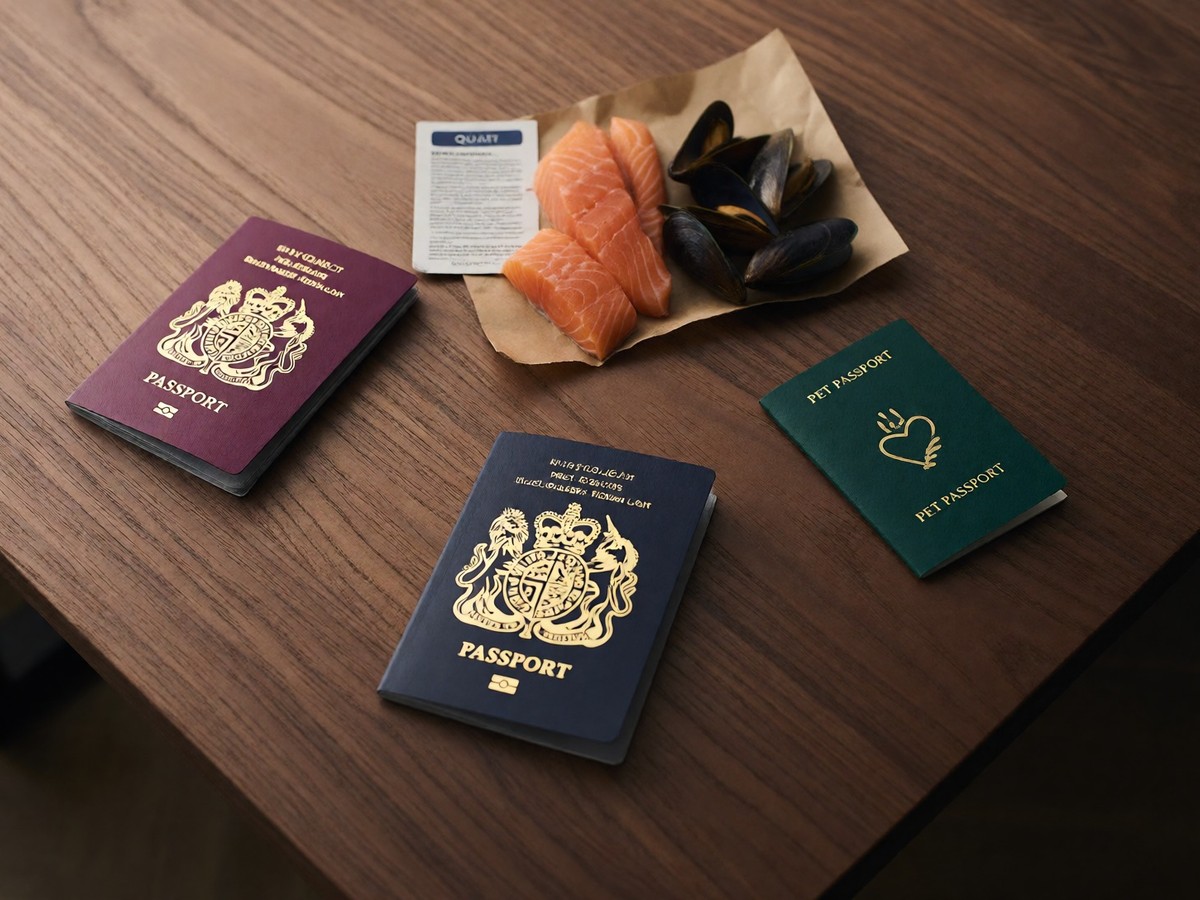
The government expects the agricultural agreement to be worth over £5bn to the UK economy by 2040 and will allow UK producers to continue using certain pesticides that are banned under EU law during a "transition period." Under this deal, UK companies and travellers will no longer need certificates to transport live animals or pets into Europe. Domesticated animals will instead use pet passports to eliminate complicated paperwork. This agreement also frees up trade in live molluscs and Scottish salmon.
| Agreement | Specific Details |
|---|---|
| Agriculture | Worth over £5bn by 2040 |
| Emissions | Access to EU trading scheme |
| Youth Visa | For people under 30 |
The UK will pay the EU billions to avoid a cross-border carbon tax that begins next January. This payment also secures access to the EU emissions trading scheme to prevent the UK from being trapped. Regarding the "youth experience scheme," the UK and EU will issue visas to people under 30 to live, work, and travel in each other’s territories. The UK is negotiating an emergency brake-style mechanism to ensure that if a member state refuses to issue its quota of visas, the UK will restrict the number of their nationals looking to travel to Britain. Both sides have agreed that each European member state should get its own quota to spread out the benefits and potential costs of the mobility scheme.
Political friction and future cooperation
Negotiations continue regarding a joint statement on industrial policy and tuition fees. A draft agreement prepared by the EU describes the two sides as "trusted partners," a language which the UK believes will allow it to participate in the "Made in Europe" scheme. The UK was willing to spend hundreds of millions of pounds to compensate universities for any financial loss as a result of the agreement to charge European students lower fees within six months. This compensation only applies if the EU grants access to the "Made in Europe" program.
European countries want the UK to sign up to higher tariffs on Chinese electric vehicles, but UK ministers and businesses resist this move. The EU also expressed concern about UK plans to deport foreign national offenders to the EU, a program the EU wants London to drop. The UK might also pay a financial contribution to the EU cohesion budget to help poorer member states, though the UK has not signed off on this payment. I think these deals are a calculated attempt to reset the relationship with the bloc without defying the British public.