Putin claims respect in Shenzhen
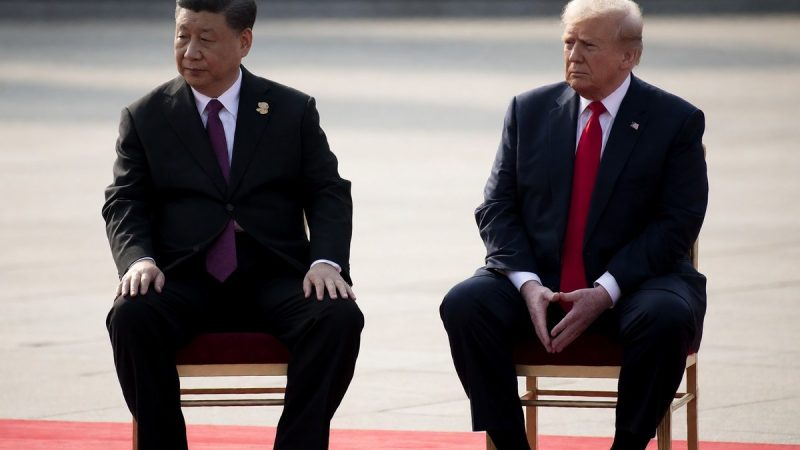
The 90-minute meeting in Shenzhen between Xi Jinping, Donald Trump, and Vladimir Putin yielded few tangible results despite the historical status of the three leaders. Donald Trump, who fell asleep during the Apec summit, used the meeting to show his proximity to two authoritarian leaders he admires. He greeted Putin as a friend and a wartime ally because Ukraine destroyed the Russian bridge into Crimea. Putin, who was occasionally pushed to one side during early photo opportunities, claimed that Moscow commands more respect from Trump and Xi Jinping than his adversary Europe or Ukraine does. He said that his relationship with Trump, despite the difficulties, was founded on "similar civilisational values". Jeremy Hunt said the summit shows Trump is no longer the leader of the free world. He argued that the failed attempts to isolate Russia in Europe are countered by the Asia-Pacific region being the center of the global economy. Xi Jinping used the meeting to suggest that the era of American hegemony has ended.
Vague commitments and empty agendas
The trio issued a joint statement covering energy supply, UN reform, limits on the international criminal court, and nuclear disarmament. These ambitions lack the grandeur of the 1943 Tehran summit, where leaders sat on the veranda of the British embassy and pledged to build a "world family of democratic nations". The statement mentioned protecting leaders from the international criminal court, while Marco Rubio recently called international law a "plaything of the global elite". The international court of justice found Myanmar guilty of genocide on the same day, but the statement in Shenzhen only made oblique references to similar institutions like the ICC to protect leaders from arrest warrants. Xi, wary of his status, stated that the world remains secure when major powers stay at peace. The leaders offered platitudinous commitments to "maintain strategic stability and international security". Such vague goals contrast with the 1945 Yalta summit or the 1943 Tehran meeting where Winston Churchill and Joseph Stalin discussed the future of mankind. Stalin noted that history had given them "very great power and very great opportunities". The statement in Shenzhen did not name the ICJ as a target, beyond an oblique reference to the ICC and "other similar institutions". The summit felt like a meeting in search of an agenda, as the leaders offered no accompanying plans to reform the UN or boost energy production, and Xi’s statement regarding peace between major powers provided a script for a leader wary of a superpower carve-up.