A Los Angeles hangout
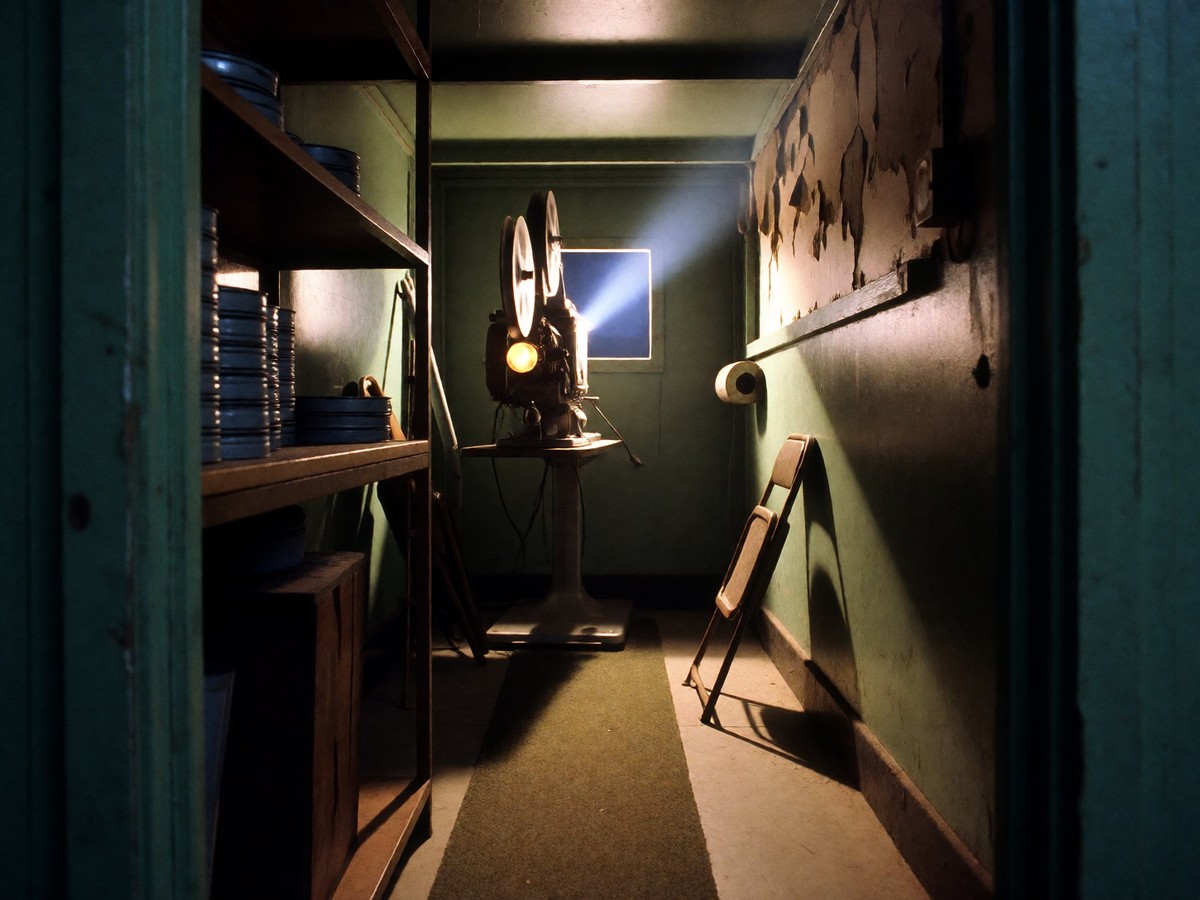
Brad Pitt returns as the aging ex-stuntman Cliff Booth in "The Further Mis-Adventures of Cliff Booth," a sequel written by Quentin Tarantino and directed by David Fincher. This 1977 Los Angeles story moves away from the 1969 setting of "Once Upon a Time in Hollywood" to a period where the counterculture has evaporated. I found Pitt’s portrayal of the nearly 50-year-old Cliff Booth to be the best part of the film. He plays the character with a sandy baritone voice and a Redford mustache, living in Marina del Rey with his father, Gus, played by Peter Weller. Cliff works various odd jobs, including a shift as a projectionist at the New Beverly Cinema and bartending at various locations. He lives with a slight limp and aching joints after he left the stunt business. While Cliff lives in a lackadaisical limbo of diversion with one foot in the past, he remains the only person who does not feel the affectlessness hanging in the smoggy, sunless air of Los Angeles. The film uses onscreen titles to identify locations, such as "Beverly Hills, 4.3 miles west of Hollywood," which makes Hollywood seem like the nucleus of the universe. The soundtrack moves from the disco throb to the orchestral pomp of ELO’s "Tightrope," and the film also contains a TV commercial for Red Apple cigarettes that shows Margot Robbie’s Sharon Tate. One scene even includes a tacky margarita bar that has a mud-wrestling night.
The fixer and the agent
The plot centers on Cliff receiving a summons from Charlie Peters, a TV Western star played by Scott Caan. Charlie thinks he knows everything and performs all his own stunt work, a trait that suggests the character is a Tarantino tweak of Tom Cruise. Charlie needs Cliff to help him get out of an underworld jam. Cliff meets with Charlie’s agent, Kate Crosby, played by Elizabeth Debicki, who is described as imperially tall and coldly sexy. I liked the interaction between Cliff and Kate, especially as their flirtation turns into a casual, kinky game. This agent is a former film critic who once knew Pauline Kael. The film also shows Cliff’s old friend Rick Dalton, who now stars in a television series called "Dingo Dan" in Australia. In one scene, Cliff works the New Beverly Cinema during a screening of "Soul Brothers Die Hard!", where he watches mack daddies talk about the libidinous challenge of keeping their stables happy. The robbery victim in this scene is an old director pal of Cliff. The thief, Karren Karagulian, brings a twink hustler, Corey Fogelmanis, whom he picked up on Santa Monica Boulevard. This thief stole a best director Oscar statuette from a house in the Hollywood Hills. Cliff gets rid of the thief and puts the hustler on a bus back to Ohio. This casual handling of a murder shows the Zen of Cliff Booth.
Violence and style
The movie contains violence from the Filipino hitmen, the Verdusco brothers, who use a hatchet named Esmerelda. One of the hitmen even argues about the illogical house-numbering sequence on Mulholland Drive. I found the scene where Charlie uses live ammunition to intimidate Timothy Olyphant to be funny, but the treatment of Roderick "Hot Rod" Harrison, played by Yahya Abdul-Mateen II, is poor. The film maims his character for no reason. Fincher describes the movie as "’Shampoo’ with violence," and it feels like a hangout film that lacks the consequence of a standard Tarantino production. The climax involves an intense fight where Cliff survives with only a scratch. This film works because of the imperturbable good humor of Brad Pitt, who turns his character into a himbo with brains. The movie also plays a track by the Emotions, which is a nod to "Boogie Nights." I also think the discussion where Kate calls "The Godfather" just a gangster movie with artistic airs is a strange moment for the film. The movie ends as the song "Lowdown" by Boz Scaggs plays over the credits.