Automated perfusion breaks liver survival record
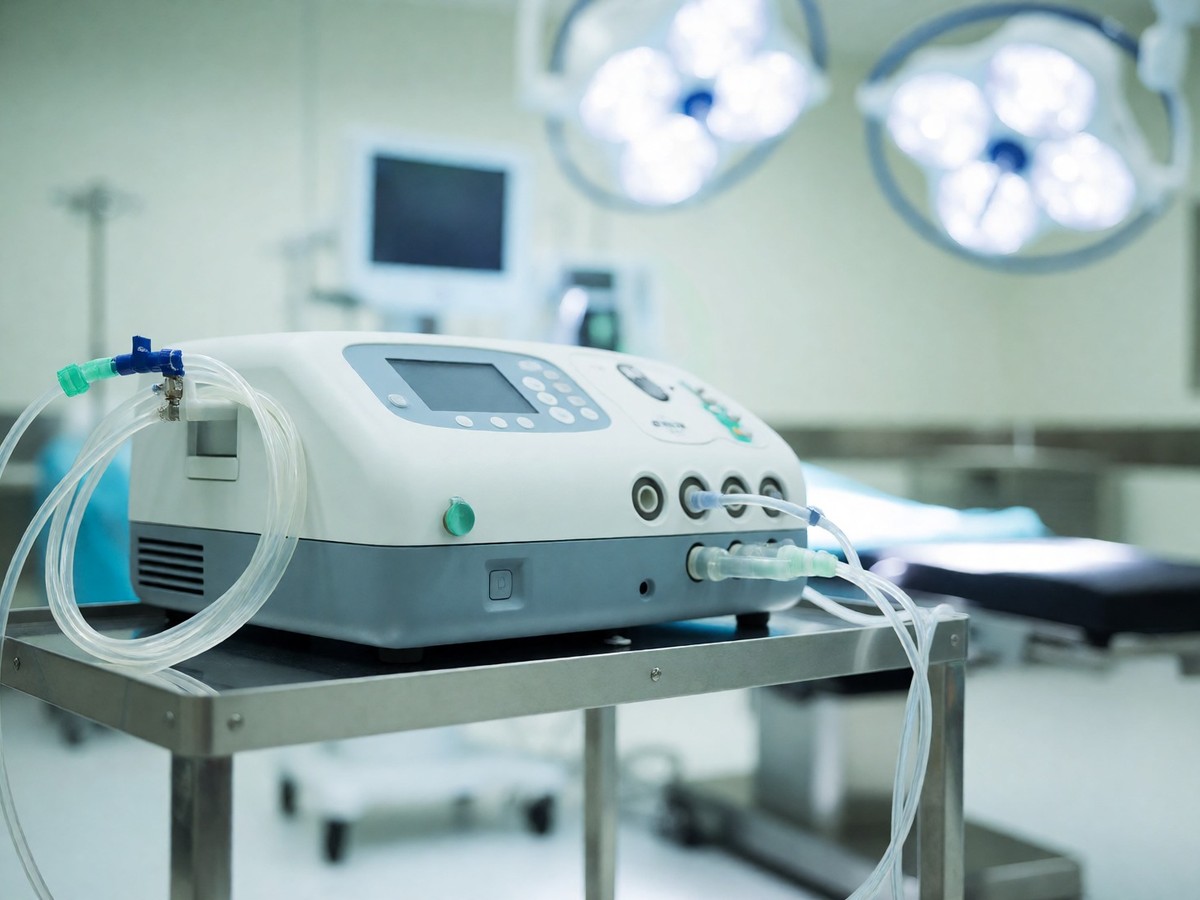
A Sydney research team kept a human liver alive outside the body for seven weeks, surpassing a record set in Switzerland several years ago when a liver lasted around two weeks. Most organs destined for transplant survive only a few hours in special ice buckets and require rapid transport to their destination. Surgeons have been switching to perfusion systems that pump warm or cold fluids into an organ, doubling the time it can be held before transplant. Normothermic perfusion maintains a body temperature of about 37 °C. Pulitano stated that automating the systems used to keep the organ thriving was the essential factor in breaking the record. During a meeting in Switzerland this year, the team described perfusing 55 human livers, one after the other. While some livers were connected to a system that required manual adjustments, the automated system produced the seven-week survivor and tripled the average survival time to approximately four weeks.
| Condition | Survival Time |
|---|---|
| Standard ice bucket | A few hours |
| Manual perfusion | Double standard time |
| Automated perfusion | Four weeks average |
| Record liver | Seven weeks |
Higher costs and self-repairing organs
Perfusion technology allows doctors to restart hearts from dead people and can lengthen the time surgeons hold an organ before transplant. Paulo Martins, a transplant doctor at the University of Oklahoma, says about half the kidneys he transplants are now perfused, even though the process can add $100,000 to the total cost of a single transplant. Scientists discovered that perfused organs start to repair themselves and become stronger after a day or so. Using these automated methods, researchers aim for "time-unlimited liver preservation". This possibility of organ recovery led a Swiss team in 2022 to transplant a damaged liver that had been kept on perfusion for three days, which Waldemar Hoffmann, the CEO and cofounder of Apersys, says was the longest time any internal organ had remained outside the body before a successful transplant. Automating these systems remains the most effective way to extend organ viability.