The financial collapse
McGrathNicol has appointed administrators to David Jones after the 188-year-old retailer entered voluntary administration. This decision puts 6,000 jobs at risk across 38 physical stores, 17 of which sit in Westfield shopping centres. Scentre, which owns Westfield, reported that the retailer failed to pay its October rent and was therefore in breach of its tenancy agreement hours before the board voted to enter administration. I view this unpaid rent as a clear sign of the financial instability that has plagued the brand for years. While physical and online stores continue to operate, receivers from FTI Consulting are reviewing the company to provide breathing space for a restructure. Christopher Hill from FTI Consulting says the company faces rising costs, supply chain challenges, and a significant and outdated retail footprint. CEO Erica Berthold says the company has a "well-developed plan" to reset the business for the future. Berthold thanked customers, team members, and partners for their continued support of David Jones through this period.
A lost era of luxury
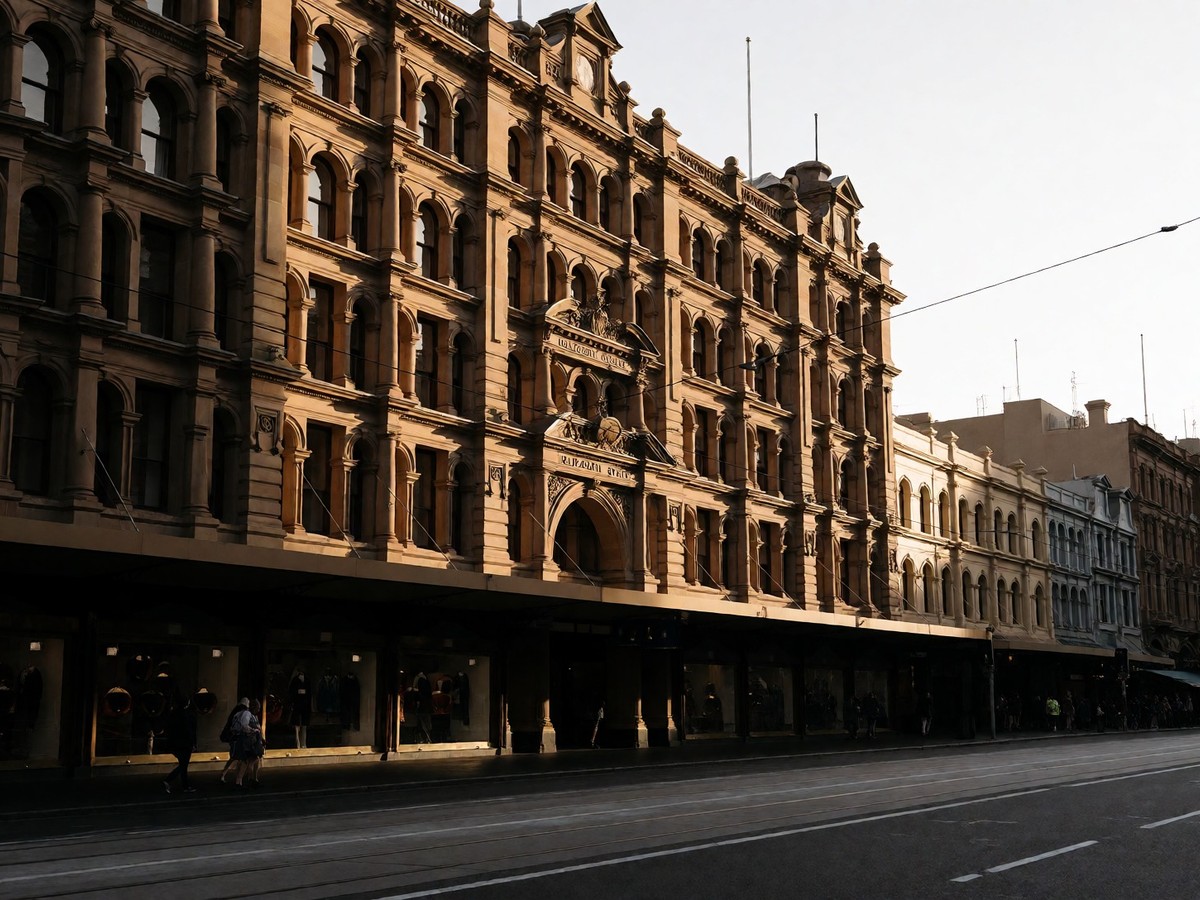
The brand’s decline follows years of customers leaving traditional shops for online shopping. Jana Bowden, who teaches marketing at Macquarie University’s Business School, says the collapse signals the "death knell" for the department store format as customers desert traditional shops for online shopping. She describes the brand as once being the Aussie version of Harrods where shoppers visited to experience glitz and glamour. However, Bowden notes the suburban stores now feel mundane and lack excitement compared to the city locations. I agree that the lack of excitement in those suburban branches makes the brand feel hollow. Many Australians remember the flagship city stores in Sydney and Melbourne as places for rituals, such as viewing the festive Christmas window displays. People would travel for hours from away from the city just to experience that magic. In 1954, Queen Elizabeth II even attended a banquet dinner on the seventh floor of the Elizabeth Street store, according to the Sydney Morning Herald. The company’s trademark black-and-white houndstooth design once meant luxury for many Australians, but the brand has lost its shine in recent years. The city stores have retained their upper end airs and graces, but the suburban stores leave a lot to be desired.