Economic stagnation and budget requirements
France’s economy shrank 0.1% in the third quarter of 2026, according to estimates from national statistics agency Insee. This contraction follows a 0.1% shrinkage in the first quarter of 2026 and zero growth during the three months that followed. Economy and Finance Minister Roland Lescure said this summer’s extreme heat and spiking energy prices caused the negative growth. Lescure warned that without the proposed budget adjustment, the country will "hit the wall." He said the new figures provide urgency for lawmakers to pass the 2027 budget, which aims to bring the deficit down to 5% of gross domestic product through €43 billion in savings. He added that the goal involves reassuring markets and relaunching growth in the last quarter of the year.
| Economic Metric | Value |
|---|---|
| Q1 2026 GDP Growth | -0.1% |
| Q2 2026 GDP Growth | 0.0% |
| Q3 2026 GDP Growth | -0.1% |
| 2026 Deficit Target | 5.4% of GDP |
| 2027 Deficit Target | 5.0% of GDP |
The government’s pledge to reduce the deficit to 5.4% of GDP this year faces complications because the target assumes the economy grows by 0.5% in 2026. Since the economy contracted in the first quarter and saw no growth in the second, the 0.5% growth assumption no longer holds. The current growth target of 0.5% for 2026 faces doubt after two quarters of stagnation. Lescure said, "The French economy is at a standstill." He also stated, "It has to restart." This anemic growth makes the government’s pledge to lower the deficit even harder to achieve.
Parliamentary instability and risks
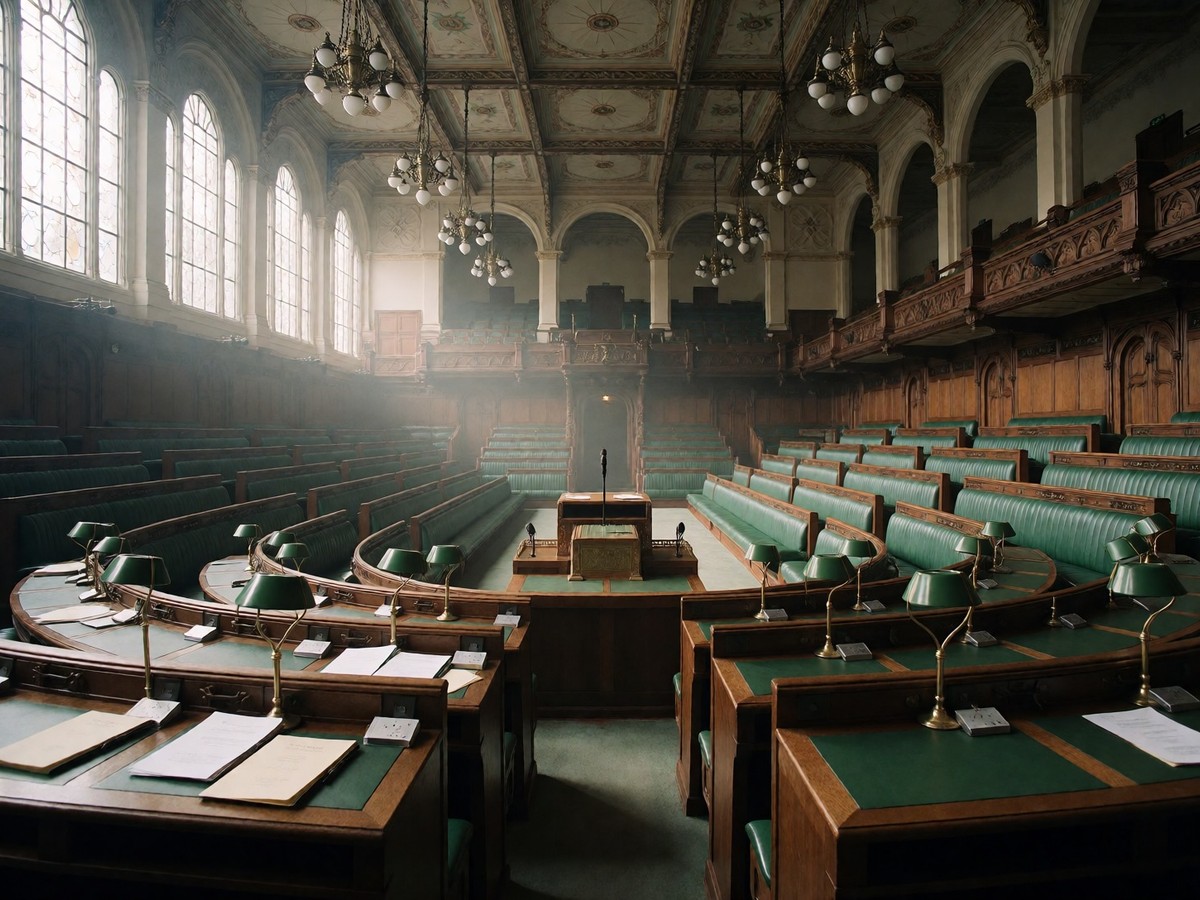
France’s fragmented parliament failed to pass budgets before the new year in both 2024 and 2025, which complicates the current legislative process. The spring 2027 presidential election may also hinder the ability of the government to seek a compromise on the 2027 budget. Prime Minister Sebastien Lecornu may attempt to force the budget through the legislature using a constitutional backdoor that bypasses a parliamentary vote, but this specific maneuver would expose the minority government to potential motions of no confidence. Because the 2027 budget requires €43 billion in savings, the political tension in the parliament remains a major obstacle to the administration’s stability. This economic downturn makes the government’s deficit reduction target of 5.4% for 2026 even harder to reach.