Richard Lloyd, the founding guitarist of the New York band Television, died on Saturday morning at his home in Chattanooga, Tennessee. His family confirmed the news and stated that his wife Sheila and their dog Willie Mays were present at the end. The cause of death was cholangiocarcinoma, a specific form of bile duct cancer diagnosed in March 2026. A crowdfunding campaign had previously revealed that he developed tumors in his liver, including one that surgeons could not remove.
A Brief but Defining Career
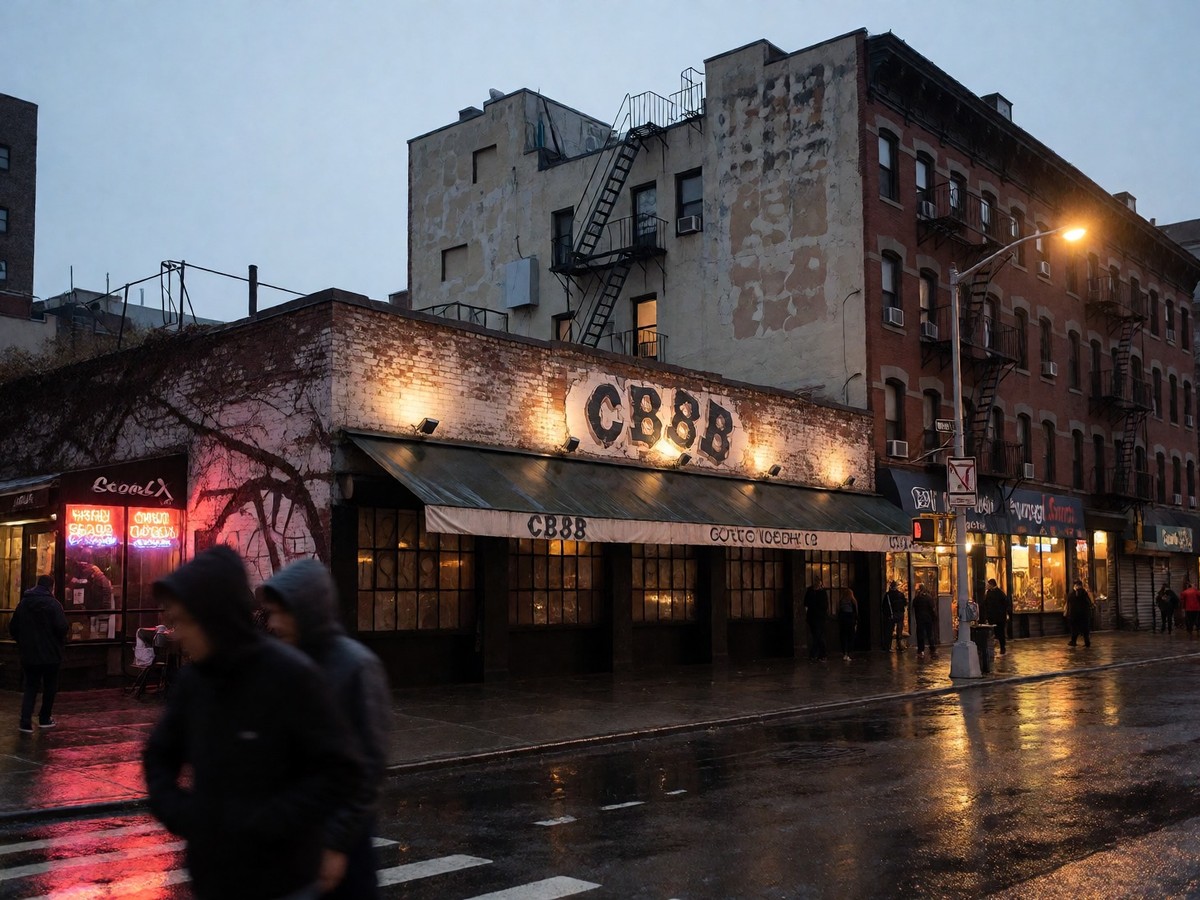
Television formed in 1973 and quickly became central to the emerging punk scene around CBGB, a venue on the Bowery that initially focused on country and bluegrass music. The band’s sound was driven by Lloyd’s fiery guitar work and frontman Tom Verlaine’s deadpan vocals, creating a style that was virtuosic rather than purely punk. Their debut album, Marquee Moon, released in February 1977, is considered a landmark recording that influenced future acts like R.E.M. and Sonic Youth. Rolling Stone ranked it No. 107 on its 2023 list of the 500 greatest albums of all time, recognizing its impact on rock history. The group recorded only two studio albums during this peak period before splitting in 1978, though they reformed in 1992 and regrouped several times over the years.
Lloyd’s contributions were often overshadowed by Verlaine, who is commonly recognized as the band’s auteur, yet Lloyd brought the fire that balanced Verlaine’s finesse. In a 2007 interview, Lloyd declared: "CBGB’s is the most famous rock ‘n’ roll club to have ever existed and I fucking created it! I was the invisible force behind it." This claim highlights his role in initiating the club’s pivot toward rock music after he and Verlaine asked owner Hilly Kristal about the venue’s offerings. While the band enjoyed three hit singles and successful tours in the U.K., domestic sales in the United States were unimpressive. David Bowie famously called Television "the most original band I’ve seen in New York," a sentiment that underscored their unique position in the early 1970s music landscape.
Life Beyond the Band
Born Richard John Alt in Pittsburgh in 1951, Lloyd moved to New York City as an infant and grew up in Greenwich Village. He attended Stuyvesant High School but dropped out before graduation, taking up the guitar at an early age. His struggles with mental health and substance abuse began during his teenage years and continued to mar his career, leading to a debilitating heroin addiction that contributed to the band’s initial split. After releasing his first solo album, Alchemy, in 1979, Lloyd pursued a prolific solo career, releasing nine albums in total. He also contributed to other projects, including Matthew Sweet’s 1991 album Girlfriend, which featured fellow CBGB-era guitarist Robert Quine. Despite these efforts, his relationship with Verlaine remained fractious, often excluding him from later reunions.
The Guardian described his performance in a 2005 review, noting that "Lloyd’s guitar was the louder in a lopsided sound mix, so it was impossible to overlook the amount of ground he was covering." This assessment captures the intensity of his playing, characterized by crisp chords and dextrous fills. Although his personal struggles limited his public presence in later years, his work with Television remains a defining document of the era. The band’s legacy persists through songs like "See No Evil" and the nearly 11-minute title track, which continue to be covered by new generations of musicians. Lloyd’s death marks the end of an era for the New York punk scene, leaving behind a catalog of influential recordings and a complex personal history.