Implementation over negotiation
Brazil published the world’s first global roadmap for phasing out fossil fuels on Tuesday to help countries move from negotiating agreements to implementing them. Andre Correa do Lago, the president of the Cop30 summit, says ministries of finance, transportation, energy, and infrastructure should use these documents to work on national implementation. He says there is a different group of people that negotiate and that implement. He says the roadmaps help move the annual UN Cops away from negotiating global agreements to implementing targets that have already been agreed. This approach follows the Cop30 summit held last November in Belem, where the presidency promised two roadmaps: one for transitioning away from fossil fuels in energy systems and another for halting and reversing deforestation.
The Brazilian documents are non-binding and leave it to countries to "diagnose" their degree of dependence on fossil fuels. Unlike the specific national plans written by Germany, France, and the Netherlands under the Santa Marta initiative, these roadmaps contain no deadlines or milestones. Joeri Rogelj, a professor of climate science and policy at Imperial College London, says the roadmaps fall short because they include no timeline or benchmarks. Because of this omission, they still leave much to be imagined about what is needed to achieve the Paris agreement goal of limiting global warming to well below 2C, or preferably 1.5C, to avoid dangerous climate harm. These documents allow countries to choose policy levers based on their own circumstances because every country has a different rhythm.
Energy and forest protection
The roadmap suggests oil and gas producers cut the flaring and venting of gas from extraction sites to reduce methane, a greenhouse gas 80 times more powerful than carbon dioxide. Countries can also reduce fossil fuel subsidies and build renewable generation.
| Forest Protection Funding | Annual Amount |
|---|---|
| Current availability | $85bn |
| Needed by 2030 | $300bn |
| Needed by 2050 | $500bn |
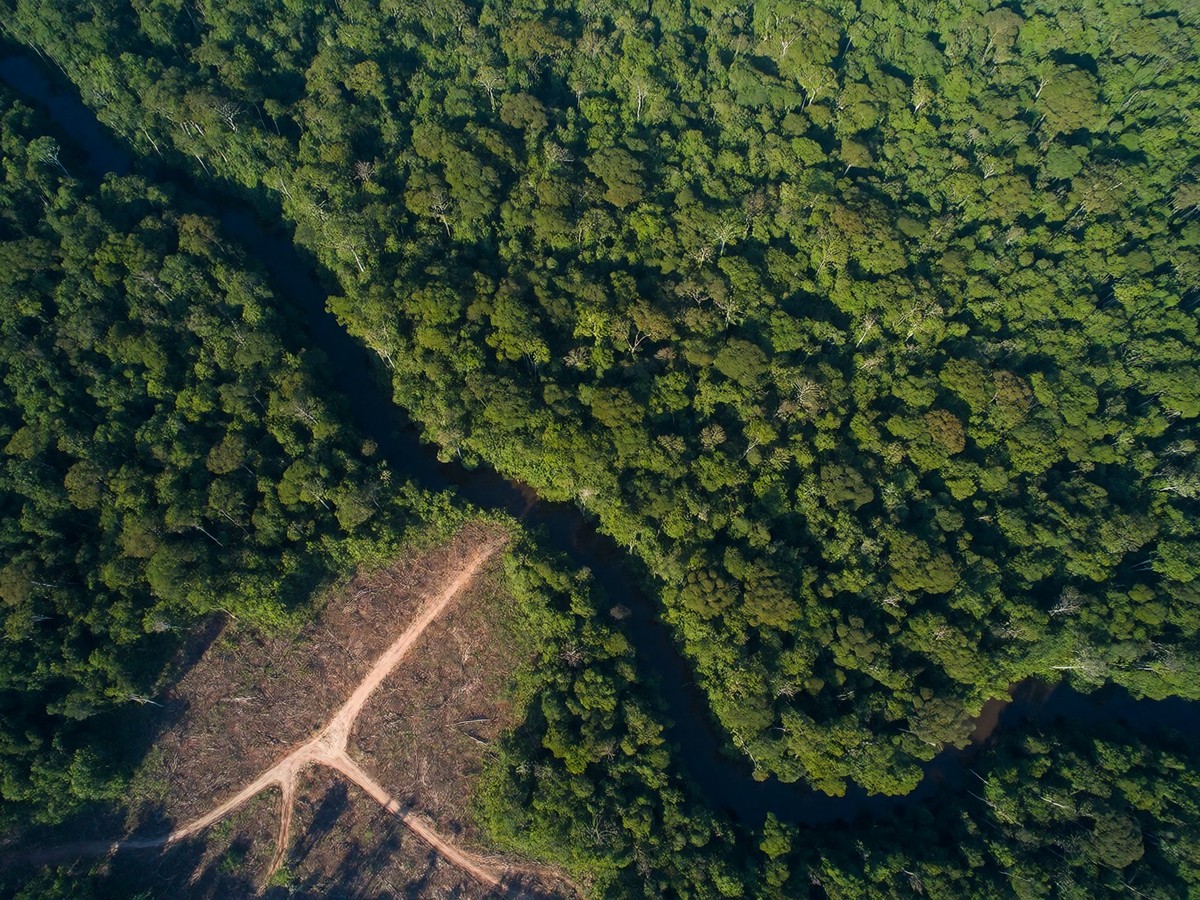
The deforestation roadmap notes that poor countries with heavily forested areas like the Amazon or the Congo rainforest need financial support to combat fires and palm oil exploitation. Current funding levels fall far short. While $85bn is currently available every year, UN figures cited in the roadmap suggest $300bn is likely to be needed annually by 2030 and $500bn by 2050. At Cop30 last year, Brazil set up the tropical forests forever facility to preserve forests, to which the UK contributed £400m and other countries combined contributed about $7bn. This follows the recent election of President Luiz Inacio Lula da Silva, who won a fourth term just over a week ago. During his last four years in power, deforestation rates fell by about 70%. His defeated opponent, Flavio Bolsonaro, expected to return his father’s policies of Amazon exploitation, did not win.
The roadmap also calls for regulating trade between forested and consumer nations to stop companies from selling goods from deforested areas. Indonesia currently faces lawsuits from civil society groups for "gross negligence" regarding record-breaking fires that destroyed wildlife habitats for palm oil plantations.