Weak Commission response
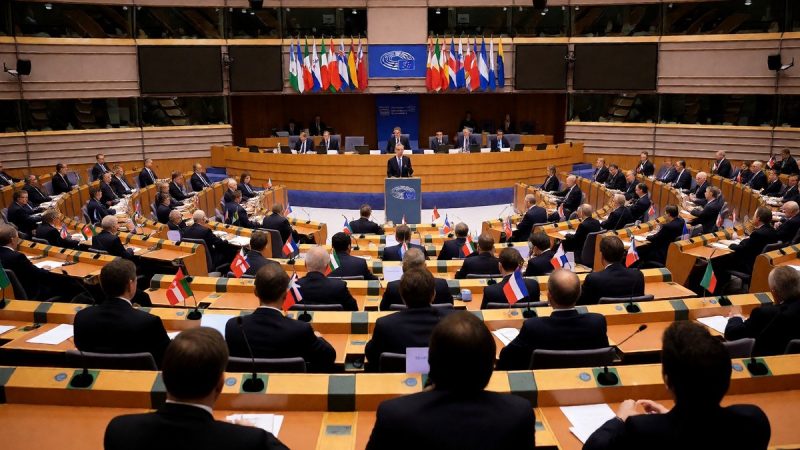
EU Commission Executive Vice-President Henna Virkkunen offered little in new commitments during her first address to the European Parliament on the matter of U.S. drug pricing. She told lawmakers there are "too many uncertainties" to assess how Washington’s push for higher prices affects Europe. The Trump administration pressures European countries to pay more for medicines, arguing that American citizens disproportionately shoulder the cost of pharmaceutical innovation. Although a transatlantic trade truce at Turnberry set a 15% tariff ceiling on most European exports including branded medicines, Washington launched a Section 301 investigation in June into Germany’s "persistent underpayment" for innovative pharmaceuticals. This investigation seeks a deal to raise prices similar to a previous agreement with the U.K. MEP Tomislav Sokol told the Strasbourg debate that bilateral deals "would weaken the European position."
Renew MEP Stine Bosse, who initiated the plenary debate, warned that other capitals could find themselves in Washington’s crosshairs. She stated, "Today it is Germany," and said member states must work closer together on joint clinical assessment and pricing and reimbursement. The investigation in Germany follows Washington’s aim to strike a deal to raise drug prices.
| Measure | Detail |
|---|---|
| Turnberry trade truce tariff ceiling | 15% on branded medicines |
| Section 301 investigation target | Germany |
| Next EU health minister meeting | Dec. 8 |
National responses and industry impact
France and Ireland asked the Commission to establish a task force of national trade and health officials to assess U.S. demands. Belgium’s Deputy Prime Minister and Health Minister Frank Vandenbroucke suggested using the Anti-Coercion Instrument to respond to U.S. pressure. Socialist lawmaker Vytenis Andriukaitis and Renew MEP Vlad Vasile Voiculescu backed the consideration of this instrument, but Virkkunen did not address the option. Virkkunen cited upcoming legislation like the Biotech Act and said the Commission "fully respects" national powers over pricing and can provide support when needed. She also stated, "I believe that there is more that connects us than divides us."
The Trump administration’s policy of most-favored nation pricing, which ties U.S. drug prices to those paid elsewhere, has caused pharmaceutical companies to delay medicine launches in Europe. Socialist lawmaker Romana Jerkovic warned that EU legislation such as the Critical Medicines Act will take years to yield benefits. She asked the Commission what specific projects the Commission is planning to respond to the decline of medicine launches in the short term. The topic will come up again when EU health ministers meet on Dec. 8.