Misplaced election funds
Tony Lyons, leader of the MAHA PAC, blamed the movement’s midterm failures on "monstrous" forces and better-funded rivals. However, financial documents show the PAC spent more on its own luxuries and allies than on the candidates it intended to support. I find the massive gap between the group’s political goals and its actual spending reveals a PAC that prioritized high-end social access over winning elections. Of the $10.5 million the organization spent during the election cycle, less than $1 million went to independent expenditures, which covers messaging for political candidates. The $1 million in independent expenditures equals less than a tenth of the total spending. The PAC actually collected only $3.2 million, but it spent the $10.5 million by using $7 million it had collected previously. This $7 million in existing funds helped the PAC maintain its high level of spending despite its lower revenue. Lyons previously announced a $100 million fundraiser to increase MAHA’s influence, but the actual intake fell far short. Andrew Mayersohn, a committees researcher at OpenSecrets, called the spending "pretty unusual" because major super PACs typically dedicate the majority of their money to independent expenditures. The MAHA PAC spent heavily on its allies, boosters, and an affiliated nonprofit, and these investments often came at the expense of spending on political races, including for MAHA candidates in competitive districts.
Steakhouse and club costs
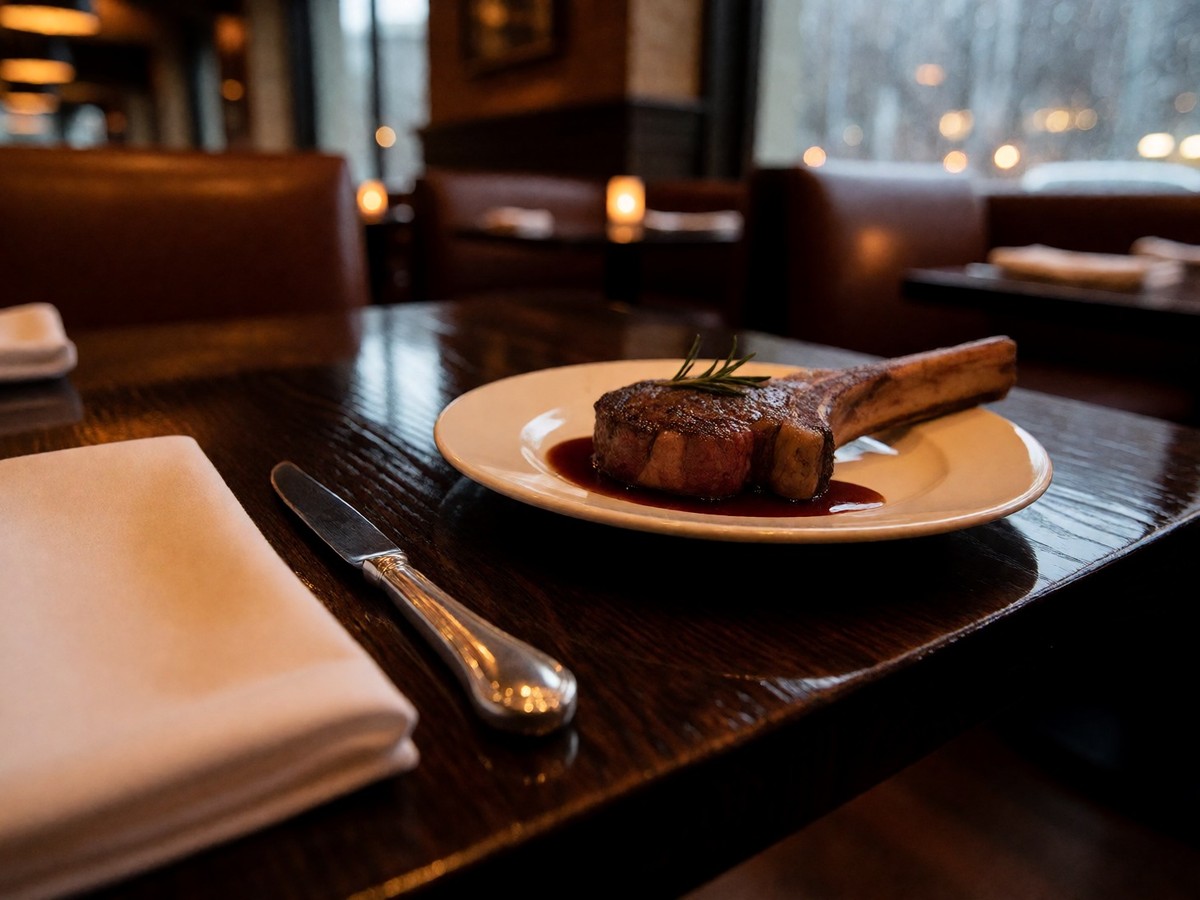
The PAC’s investments in its own circle often dwarfed its support for candidates in critical races. In a key House race in Northern California, MAHA supported Kevin Kiley over his political rival, pediatrician Richard Pan. Lyons described this specific race as "the most direct ideological confrontation" between MAHA and its opposition on the 2026 ballot. Despite this claim, the PAC allocated only $49,900 to support Kiley. The discrepancy between the $49,900 allocated to support Kevin Kiley and the $50,100 spent at Mastro’s Steakhouse shows the unusual way the organization prioritized luxury meals over critical political contests in Northern California during the election. Mastro’s is an upscale restaurant in Washington, DC, where porterhouse steaks cost $110. This steakhouse expenditure alone surpassed the total amount given to the Kiley campaign in Northern California. The group also spent $155,900 at Ned’s Club, a luxury club near the White House that became a popular gathering spot for Trump officials.
Financial breakdown
The following table compares the PAC’s total election cycle spending to specific expenditures identified in the financial filings.
| Expense Type | Amount |
|---|---|
| Total PAC Spending | $10.5 million |
| Independent Expenditures | < $1 million |
| Ned’s Club | $155,900 |
| Mastro’s Steakhouse | $50,100 |
| Kiley Campaign Support | $49,900 |
The discrepancy in spending explains why the movement faced such heavy losses. While Lyons spoke to supporters on a Zoom call expressing a sullen mood about the election results, he claimed the forces lined up against the movement were "monstrous." The group’s decision to prioritize its own social standing over electoral victories left its preferred candidates vulnerable to well-funded rivals. While Lyons claimed the movement was outspent by powerful interests, the PAC itself failed to put its own funds toward the necessary political messaging. Instead of building political clout through direct candidate support, the organization spent its money on expensive meals and elite memberships. The $155,900 spent at Ned’s Club alone exceeded the PAC’s total support for Kiley by more than $100,000. This mismanagement of donor funds directly undermined the movement’s ability to compete in the very races it deemed most critical and left candidates like Kiley without the necessary resources to combat well-funded opponents.