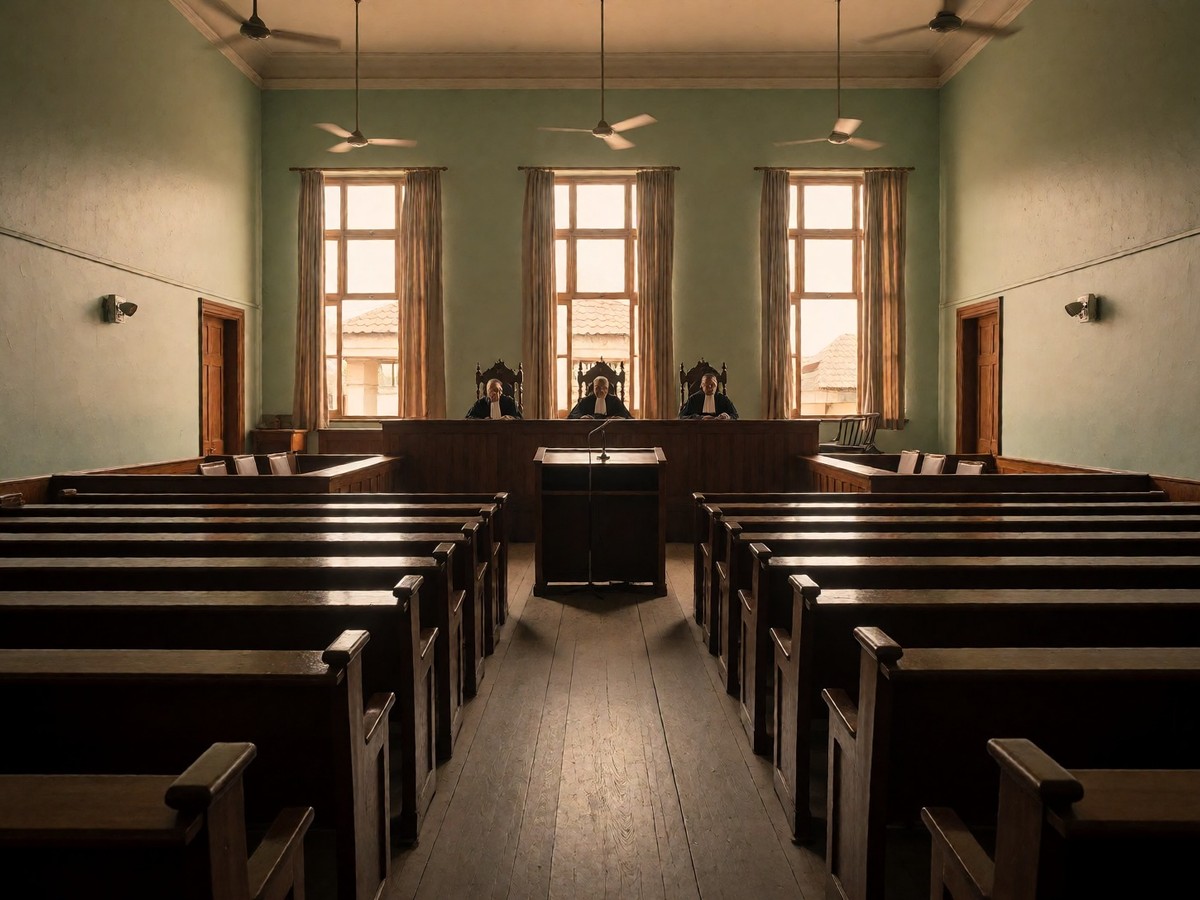
Verdict from the High Court in Dar es Salaam
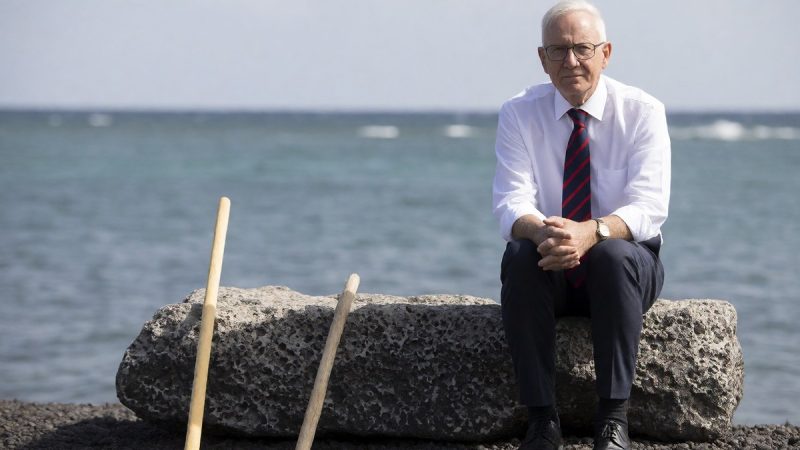
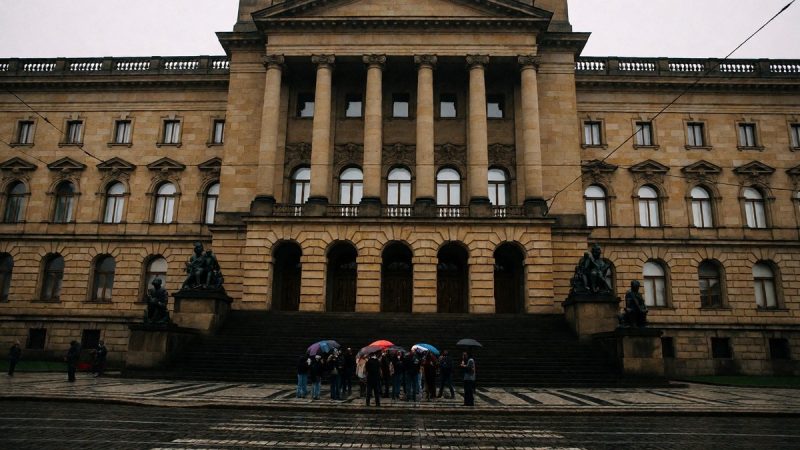
A three-judge panel at the High Court in Dar es Salaam sentenced 58-year-old Tundu Lissu to four years in jail for inciting unrest. The panel acquitted Lissu of treason because prosecutors failed to prove an essential element of that charge, but they found his campaign slogan "No Reforms, No Election" sufficient to convict him of incitement. The judges ruled that by uttering those words with the intention of disseminating them to the public, Lissu incited the public to disrupt the 2025 elections. Lissu, the national chairman of the Chadema party, denied the charges and called the prosecution politically motivated. He represented himself during the trial and argued that prosecutors took his statements out of context. He told the judges, "The offense of incitement is one that you, honourable judges, have manufactured. You have created an offense that did not exist, and you have done so on political directives." I find this legal maneuver a blatant attempt to silence his movement. Lissu, who remained in detention since April last year, plans to apply for bail because the law allows it for incitement. He also holds the right to appeal the decision at the country’s highest court.
Political context of the conviction
The conviction follows the October 2025 general election where President Samia Suluhu Hassan won 98% of the vote. Lissu and two other primary challengers faced exclusion from that election, which led the opposition to call the result a "mockery" of democracy. Lissu campaigned for electoral reforms such as the independent appointment of electoral commissioners, the ability for party agents to observe counting without harassment, the right to challenge presidential results in court, and the removal of government-appointed district chiefs as returning officers. He also demanded that police allow all parties to campaign without intimidation. This election period saw widespread protests and a security crackdown that killed at least 500 people, according to an official inquiry. Opposition groups claimed the death toll was much higher, but the government rejected accusations of widespread political repression.
Lissu’s political career includes serving as an MP for a constituency near Singida starting in 2010. He survived an assassination attempt in September 2017 when gunmen shot his vehicle in Dodoma, an attack that forced him into years of exile after he underwent medical treatment abroad. The perpetrators of that attack have never been brought to justice. He returned to contest the 2020 presidential election against the late President John Magufuli in a vote the opposition alleged involved widespread irregularities. He eventually returned to Tanzania in 2023 after President Samia lifted the ban on opposition political rallies. While in remand custody at Ukonga Prison, Lissu went on hunger strike twice and complained that guards listened to his private consultations with lawyers. Prison authorities denied these allegations. Amnesty International recently accused the government of weaponising counterterrorism laws to silence critics and instil fear.