Imbalance in the food web
The four-year study published in Science Advances predicts that warming seas around the UK and the wider north-east Atlantic could destabilise marine food webs and jeopardize food security by 2050. Under a scenario of 3C (5.4F) of warming by 2100, fish and seabed invertebrate diversity may increase by 12% by mid-century, but primary plankton groups lower in the food chain will likely decline. This mismatch creates a predator-prey imbalance that could "fundamentally reshape marine ecosystems" in unforeseen ways. Elena Couce, a marine ecologist at the Centre for Environment, Fisheries and Aquaculture Science (Cefas) and co-lead author, said that warming does not increase biodiversity across the board. She explained that while species higher up the food chain, such as fish, may gain species in parts of the north-east Atlantic, the plankton groups that underpin marine ecosystems are projected to lose species. This uneven reshuffling of biodiversity means the ecosystem’s health remains at risk.
Biodiversity shifts and management risks
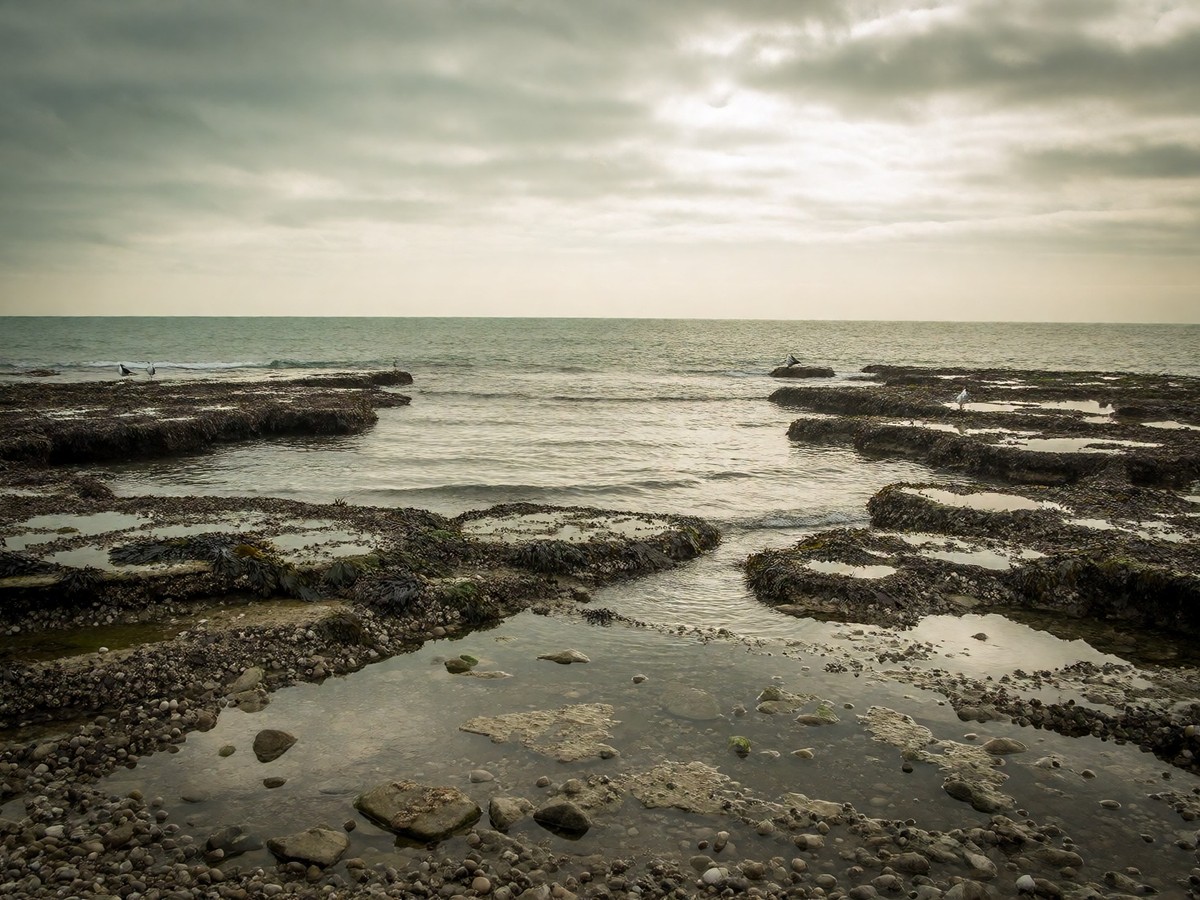
The southern North Sea is one of 20 global "marine climate hotspots" that warmed fastest over 50 years. The research involved an international team from the University of East Anglia, the Marine Biological Association, UiT the Arctic University of Norway, the Royal Netherlands Institute for Sea Research, and the Technical University of Denmark. Scientists used multiple long-term datasets and machine-learning techniques to determine the relationship between biodiversity and environmental change until 2100.
| Biological Group | Projected Change by 2050 |
|---|---|
| Fish | 12% increase in diversity |
| Seabed invertebrates | 12% increase in diversity |
| Phytoplankton | 3% decline in diversity |
| Zooplankton | 7% decline in diversity |
Lily Greig, a marine ecologist at Cefas and co-lead author, said that if predator diversity rises while prey diversity falls, that has the potential to disrupt the food chain. She stated that gains in some groups do not necessarily mean the ecosystem as a whole becomes more resilient. Previous Cefas research suggests warming in north-western European waters produces climate "winners" like anchovies, seabass, and sardines, while Atlantic cod, haddock, and coley function as "losers." Because species from the equator move north and south when temperatures rise, the UK, located in the middle latitudes, was expected to see diversity go up because southern species are more diverse than those lost to the north. However, this study suggests the redistribution will be uneven. The study provides an "early warning system" of potential ecosystem change. Researchers submitted the work to the government review of marine protected areas to inform fishery management. Policymakers have a mandate to preserve or increase biodiversity, but Couce said climate change already changes biodiversity, which they must take into account before they make other management plans.